

Zambia's economy takes centre stage before 13 August vote
Why the economy is the central battleground of the 13 August election.
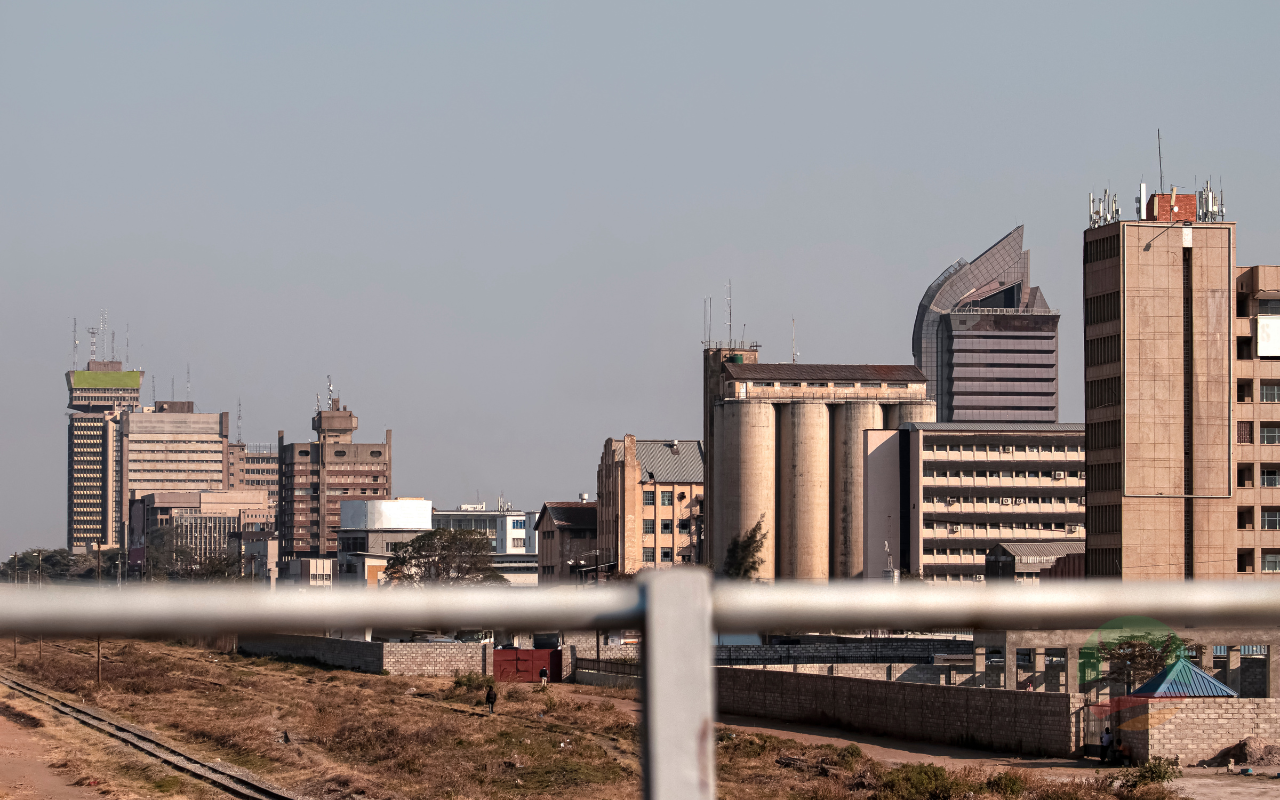
Photo: Dominik VanyiUnsplashUnsplash License
LUSAKA, 16 JULY 2026—Updated 16 Jul 2026
Analysis
LUSAKA — Zambia's 13 August general election represents a referendum on President Hakainde Hichilema's economic record, weighing a debt-crisis recovery against a persistent cost-of-living squeeze.
The economy takes centre stage in the campaign before the 13 August vote. Since taking office in 2021, Hichilema has presided over a fragile recovery from Zambia's 2020 sovereign default, helped by high copper prices and a restructured debt load, according to a Reuters report carried by CNBC Africa. Many households across Zambia still describe daily life as a struggle, and the opposition intends to make the cost of living the defining issue of the contest. Kwacha News weighed the first-term ledger in an honest scorecard of Hichilema's first term.
The economic record the government is running on
The governing United Party for National Development is campaigning on stabilisation. Zambia became the first African country to default during the pandemic after the government missed a Eurobond coupon in November 2020. Under Hichilema, Zambia worked through a restructuring of the roughly 13.3 billion dollars of debt inside the agreed perimeter, a turnaround Kwacha News tracked as public debt fell relative to national output and reserves rebuilt. Finance Minister Situmbeko Musokotwane has defended the borrowing record and pointed to improving credit assessments.
The rebound rests heavily on copper. Zambia is Africa's second-largest copper producer, and mining output reached a record in 2025 as the government chased a one-million-tonne target, Equity Axis reported; Kwacha News followed the push as output moved toward the one-million-tonne mark. Higher metal earnings, a firmer kwacha and a good harvest helped inflation slow to 6.5 per cent in June 2026, the lowest reading in more than eight years and inside the Bank of Zambia's 6 to 8 per cent target band, matching Kwacha News coverage of June inflation easing to 6.5 per cent. In late 2025, S&P Global Ratings raised Zambia's foreign-currency rating to 'CCC+' from selective default, the first S&P upgrade since 2019. The International Monetary Fund projects growth of 4.3 per cent for 2026.
A lot of our families still need support beyond what we are delivering today, but I want you to know we hear you.
— Hakainde Hichilema, campaign launch, <a href="https://www.cnbcafrica.com/2026/zambia-election-will-put-hichilemas-economic-record-to-the-test">via Reuters / CNBC Africa</a>
The upshot: the government record is a genuine macroeconomic repair — restructured debt, record copper, a firmer currency and slowing inflation — not yet matched by visible relief in most kitchens. Hichilema acknowledged the gap at the campaign launch, framing further help as unfinished business rather than a solved problem. The wager for the United Party for National Development is that voters reward the repair of the balance sheet even where wages and prices have yet to follow.
The opposition's cost-of-living critique
The opposition argues that headline stability masks hardship. More than 70 per cent of Zambians still live in poverty, Africanews reported, and youth unemployment remains politically sensitive. Critics led by Tonse Alliance candidate Brian Mundubile contend the administration prioritised fiscal discipline over jobs and social protection, a charge set out in an allAfrica analysis of the campaign. The argument over whether reserves signal strength or misplaced priorities surfaced when Musokotwane and Mundubile clashed over foreign reserves.
How can you boast that you have built $6.5 billion in foreign reserves when your people are going hungry?
— Brian Mundubile, campaign rally, <a href="https://www.cnbcafrica.com/2026/zambia-election-will-put-hichilemas-economic-record-to-the-test">via Reuters / CNBC Africa</a>
What this means: the campaign turns on the gap between aggregate data and lived experience. A second successive bumper maize harvest has eased staple prices, and the number of Zambians in acute food insecurity fell sharply year on year, Mongabay reported, yet the opposition is betting memories of scarcity outweigh improving indicators at the ballot box. Neither side disputes the figures; the disagreement is over how much credit the recovery earns and how fast the gains reach ordinary earners.
At a glance
Vote: 13 August 2026 — presidential and parliamentary. Default: November 2020, the first African pandemic-era sovereign default. Debt inside the restructuring perimeter: about 13.3 billion dollars. S&P rating: 'CCC+', up from selective default. Inflation: 6.5 per cent (June 2026). IMF 2026 growth forecast: 4.3 per cent. Reserves cited in the campaign: about 6.5 billion dollars.
Background: from default to restructuring
Zambia's debt built up through the 2010s and turned acute under former president Edgar Lungu, whose government stopped paying a Eurobond coupon in November 2020 as the pandemic drained revenue, Al Jazeera reported at the time, leaving Zambia Africa's first coronavirus-era default. The restructuring that followed moved slowly. Official creditors agreed to reschedule about 6.3 billion dollars over roughly two decades, and more than 90 per cent of Eurobond holders later accepted a deal carrying a haircut of about 25 per cent, Development and Cooperation reported. China and India signed revamp terms in early 2024, and the sequence of milestones now anchors the government's campaign message.
The vote and the electoral maths
The presidential contest uses a two-round system: a candidate must clear 50 per cent plus one vote to avoid a run-off. The Electoral Commission of Zambia cleared 14 presidential candidates for 13 August, allAfrica reported, with about 8.8 million registered voters. Hichilema leads early polling, and the race has narrowed to a contest between the president and Mundubile, as Kwacha News set out in a look at a two-horse race between Hichilema and Mundubile. The 2026 general election also renews the National Assembly and local councils.
A fragmented field complicates the arithmetic. With 14 names on the presidential ballot, votes against the incumbent risk splitting several ways, and the 50 per cent threshold raises the bar for any single challenger. Mundubile emerged as the consensus opposition figure only after the Tonse Alliance and allied groups coalesced late in the cycle, leaving limited time to build a national machine against a governing party fielding a broad alliance of its own.
What to watch
What to watch: three variables will shape how the economic argument lands. Copper output, after a first-quarter dip, determines whether export earnings keep the kwacha firm; the prospect of a successor arrangement with the International Monetary Fund will signal fiscal room after the vote; and food and fuel prices through polling day will test whether relief feels real. Kwacha News gathers the sector coverage on the business and economy desk, alongside the government's stabilisation case, set out when Vice-President Nalumango said the economy had stabilised.
Frequently Asked Questions
What is at stake in Zambia's 13 August election?
In short, the vote works as a referendum on President Hichilema's economic record, according to Reuters reporting carried by CNBC Africa. The evidence shows a recovery from the 2020 default set against a cost-of-living squeeze the opposition aims to exploit.
Why is copper central to Zambia's recovery?
The key is export earnings: Zambia is Africa's second-largest copper producer, and data show a 2025 output record lifting revenue, the kwacha and reserves. Research on frontier economies reveals how commodity cycles drive fiscal space and inflation.
What are the opposition's main economic criticisms?
In short, the opposition contends headline stability has not reached households, according to allAfrica analysis. Africanews reporting shows more than 70 per cent of Zambians remain in poverty, a figure Mundubile has used to question the government's priorities.
How does Zambia's two-round presidential system work?
Simply put, a candidate must clear more than 50 per cent to win outright, and analysis of the rules shows a run-off follows when no contender passes the threshold. Official data list 14 cleared candidates for 13 August.
Who is Brian Mundubile?
In other words, Mundubile is the Tonse Alliance candidate and a lawyer and former member of parliament, according to election reporting. Coverage shows a fractured opposition rallied behind Mundubile as the main challenger to Hichilema.
Sources
Reporting and data for this analysis: CNBC Africa (Reuters); Wikipedia: 2026 Zambian general election; allAfrica: performance and pressure; allAfrica: candidates and voter roll; Al Jazeera: 2020 default; CNBC: first coronavirus-era default; Development and Cooperation: debt restructuring; Ecofin Agency: S&P upgrade; Africanews: economic record; Mongabay: harvest and food security; International Monetary Fund: Zambia; Equity Axis: copper output.
More on Business & Economy

Guinea bans raw gold exports as Africa pushes local refining
Guinea has banned raw gold exports and now demands local refining, African Business reported. For Zambia, whose copper still leaves largely unprocessed, the move sharpens a long-running question about where the value is captured.

Zambia cuts fuel prices again as shop prices stay high
Zambia's Energy Regulation Board cut pump prices for a third straight month in August 2026, but transport fares and food prices remain high and non-food inflation is rising.

Zambia's trade surplus narrows to K4.2bn as imports jump
Zambia recorded a K4.2 billion trade surplus in June 2026, down from K7.0 billion in May, as imports rose 10.2% and exports fell 1.6%, ZamStats said.
The Kwacha News briefing.
Business, markets and the Zambian economy — in your inbox.