

Zambia cuts fuel prices again as shop prices stay high
The ERB cut petrol, diesel and kerosene for August. State House says the savings are not reaching households, and the inflation data shows paraffin and charcoal still climbing.
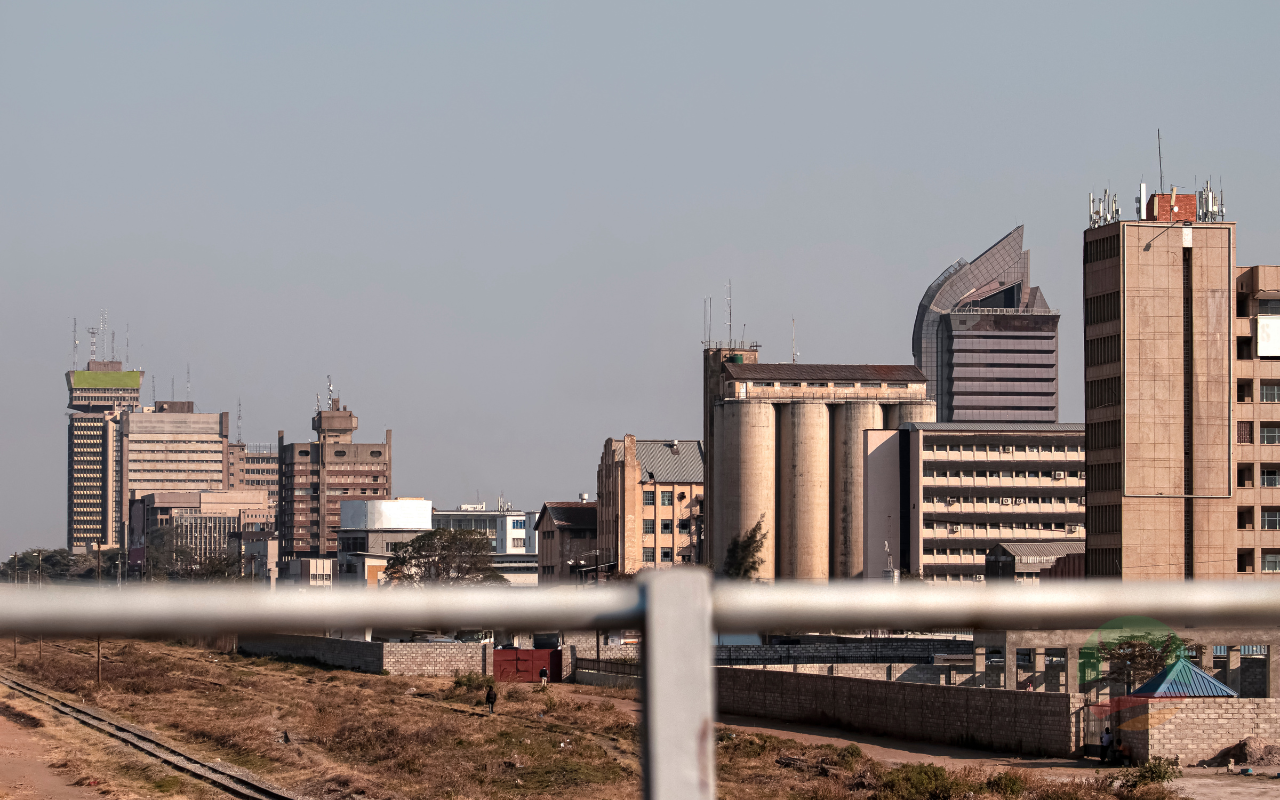
Photo: ZANISzanisGovernment of Zambia — editorial use
LUSAKA, 6 AUGUST 2026—Updated 6 Aug 2026
LUSAKA — Zambia cuts fuel prices again in August, a third consecutive monthly reduction that means petrol now costs K25.29 a litre, down from K26.15.
The Energy Regulation Board reduced petrol, diesel and kerosene in its monthly review, with the revised prices taking effect at midnight on 31 July. Yet shop prices stay high, and the gap between falling input costs and stubborn retail prices has become an explicit government complaint days before a general election in which the cost of living is the central argument.
What the review changed
Petrol fell by K0.86 to K25.29 a litre from K26.15, a decrease of 3.29%. Diesel fell by K1.25 to K26.86 from K28.11, down 4.45%. Kerosene fell by K1.30 to K27.02 from K28.32, a decrease of 4.59%. Diesel matters most to the wider price level, because it moves freight, farm machinery and the minibuses that carry most Zambian commuters.
August 2026 pump prices, kwacha per litre — Petrol: K25.29, down K0.86 from K26.15, a fall of 3.29%. • Diesel: K26.86, down K1.25 from K28.11, a fall of 4.45%. • Kerosene: K27.02, down K1.30 from K28.32, a fall of 4.59%. • Effective: midnight, 31 July 2026, until the next monthly review.
The Energy Regulation Board attributed the reduction to lower international oil prices. Its review recorded the average price of petrol falling from US$105.82 a barrel to US$96.92, while kerosene and Jet A-1 dropped from US$158.97 a barrel to US$123.59. Zambia imports all of its refined fuel, so the international price and the exchange rate are the two variables that set the pump.
Why households have not felt it
President Hakainde Hichilema has told businesses that the economic turnaround must be felt in household budgets rather than only in national statistics. In a statement issued by State House Chief Communications Specialist Clayson Hamasaka, the President noted that electricity supply has stabilised, fuel costs have dropped, inflation has eased and the kwacha has held firm — and that transport fares, food prices and other everyday expenses have nonetheless remained stubbornly high despite a bumper harvest and falling operational costs.
The argument State House makes is a free-market one: if Zambia is to remain a free-market economy, market players must shoulder the responsibility of passing benefits to consumers. That is persuasion rather than regulation, and it is the only instrument available short of price controls, which the government has not proposed.
The official price data supports the complaint. The Zambia Statistics Agency recorded non-food inflation rising in July even as food inflation eased, and named household fuels among the drivers.
The annual non-food inflation for July 2026 was recorded at 6.7 percent compared to 6.0 percent in June 2026. This outturn was mainly attributed to price movements in prices of non-food items such as Furniture and furnishings; Parrafin, Charcoal and Purchase of Vehicles.
— Zambia Statistics Agency, <a href="https://www.zamstats.gov.zm/wp-content/uploads/2026/07/Vol-280-of-2026-The-Monthly-July-final-1.pdf">The Monthly, Volume 280, July 2026</a>
Paraffin and charcoal are the fuels most Zambian households cook on. A pump-price cut on petrol and diesel does not reach a household that does not own a vehicle; a rise in charcoal reaches nearly all of them. That divergence explains how fuel can fall three months running while shop prices stay high and the cost of living still feels as though it is rising.
Background
The wider price picture is the most settled in years. Kwacha News reported that annual inflation held at 6.5% in July, its lowest since February 2018, and that the Bank of Zambia used that room to cut the statutory reserve ratio on kwacha deposits to 21%.
Energy supply has also improved. Zambia has been exporting power to neighbouring countries after the drought-driven load-shedding of recent years, and the government has expanded generation, including lifting the Chisamba solar project to 200MW. This report is part of Kwacha News's business and economy coverage.
What to watch
Watch the September review, which will test whether international prices keep falling or the kwacha gives back its gains. Watch minibus fares on the main Lusaka routes, the most visible pass-through of a diesel cut. And watch the non-food inflation series, which has now risen for two months and is the line that decides whether the headline rate stays at 6.5%.
Frequently Asked Questions
What are Zambia's fuel prices in August 2026?
In short, petrol is K25.29 a litre, diesel K26.86 and kerosene K27.02. Simply put, all three fell, by 3.29%, 4.45% and 4.59% respectively. The key is that the prices took effect at midnight on 31 July and hold until the Energy Regulation Board's next monthly review.
How does the ERB set pump prices?
The answer is a monthly review built on a price build-up. Data from the review shows international oil prices as the main input, with petrol averaging US$96.92 a barrel against US$105.82 previously. Analysis of the build-up also carries the exchange rate, transport, storage and statutory charges, because Zambia imports all its refined product.
Why are shop prices not falling with fuel?
Because retail prices are slower to fall than to rise, and because household costs are not driven mainly by pump fuel. According to the Zambia Statistics Agency, paraffin and charcoal were among the drivers pushing non-food inflation up to 6.7% in July. In other words, the fuels that matter to most households moved the opposite way.
Who benefits most from a diesel cut?
Transporters, farmers and freight operators directly, and consumers only if the saving is passed on. Evidence from the July inflation data shows transport contributing 0.4 percentage points to the overall rate. The key is that a 4.45% fall in diesel is a cost saving for an operator before it is a fare cut for a passenger.
What are the real risks to cheaper fuel holding?
Analysis of the price build-up reveals three durable risks. International crude could turn, reversing the input that produced three months of cuts. The kwacha could weaken, which raises the landed cost in local currency regardless of the barrel price. And pass-through could stay blocked, leaving the saving with intermediaries. Each risk is independent of the others, which is why the government is arguing rather than regulating.
Sources
Energy Regulation Board: August 2026 Petroleum Pump Prices, Press Statement and Price Build-ups. State House: President Hichilema Urges Price Cuts, statement by Chief Communications Specialist Clayson Hamasaka. Zambia Statistics Agency: The Monthly, Volume 280, July 2026.
More on Business & Economy

Guinea bans raw gold exports as Africa pushes local refining
Guinea has banned raw gold exports and now demands local refining, African Business reported. For Zambia, whose copper still leaves largely unprocessed, the move sharpens a long-running question about where the value is captured.

Zambia's trade surplus narrows to K4.2bn as imports jump
Zambia recorded a K4.2 billion trade surplus in June 2026, down from K7.0 billion in May, as imports rose 10.2% and exports fell 1.6%, ZamStats said.

Zambia eyes a new IMF deal after the vote as growth rebounds
Growth is up 7.7%, inflation is in target and the debt workout is nearly done. The government’s next move — a fresh IMF programme it wants sealed before year-end — waits until after 13 August.
The Kwacha News briefing.
Business, markets and the Zambian economy — in your inbox.