

Zambia debt falls to 94% of GDP, reserves rebuild to $5.5bn
Ministry of Finance data charts a four-year climb out of default — lower debt, fatter reserves and cheaper borrowing — with a successor IMF programme still only prospective.
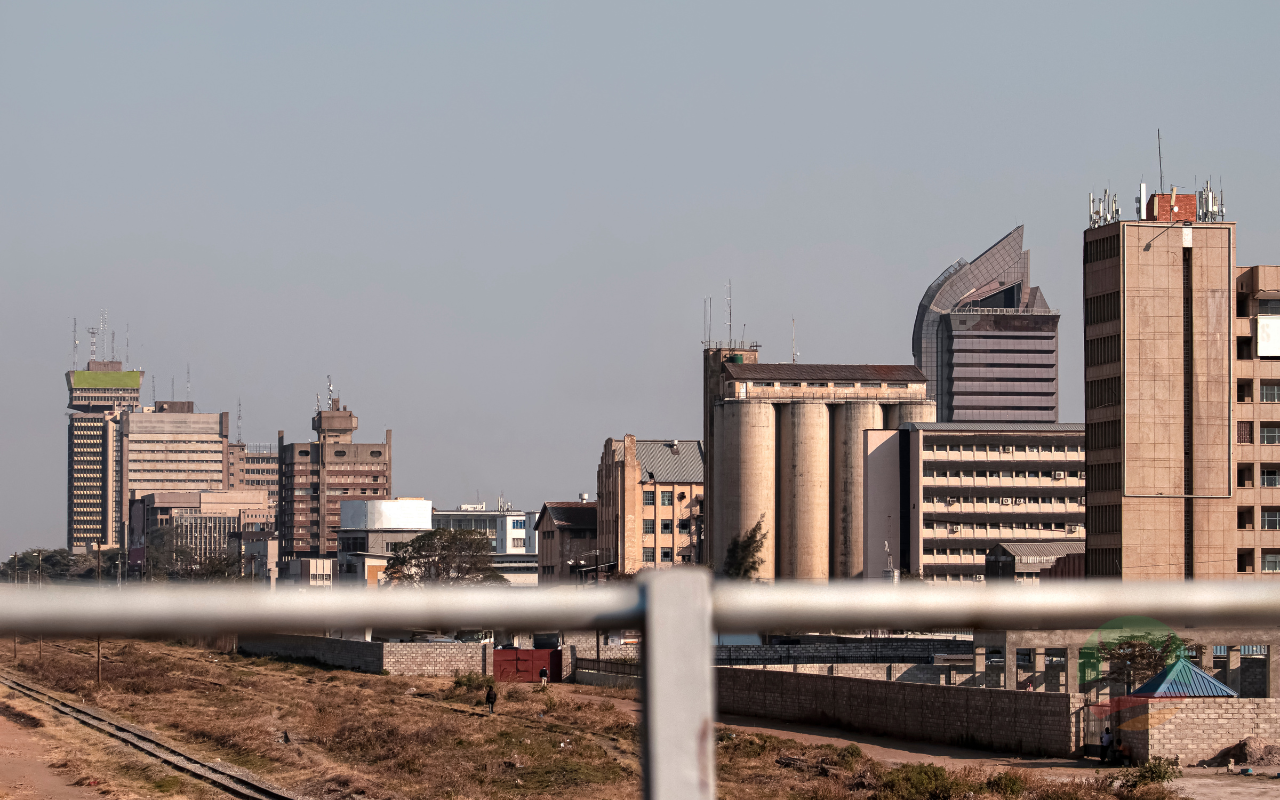
Photo: LittleT889Wikimedia CommonsCC BY-SA 4.0
LUSAKA, 25 JUNE 2026—Updated 8 Jul 2026
Analysis
LUSAKA — Zambia's public debt has fallen to 94% of GDP, a figure that represents the clearest sign yet of recovery from the 2020 sovereign default.
That headline number, drawn from Ministry of Finance data set out by the Secretary to the Treasury, Felix Nkulukusa, in a stakeholder presentation surfaced on 24 June 2026, anchors a scorecard that Zambian readers and investors are reading closely before the 13 August general election. The stakes are concrete: a lower debt ratio, fatter reserves and cheaper borrowing decide how much the government can spend on schools, clinics and roads rather than on creditors. The recovery, on the same data, is real but unfinished.
From a 129% peak to a 94% ratio
Public debt peaked near 129% of GDP in 2021, the year Hakainde Hichilema took office with the country already in default on its Eurobonds. By 2025 the ratio had fallen to 94% of GDP. Within the agreed restructuring perimeter, the deal covered 94% of the external debt stock, according to the Ministry of Finance data, closing the long stand-off with bondholders and official creditors that had frozen Zambia out of capital markets since November 2020.
The fiscal arithmetic behind the fall is straightforward. The budget deficit was cut from 9% of GDP in 2021 toward below 5% in 2025, and the 2026 budget sets a deficit ceiling of 2.1% of GDP. Public spending fell from 37% of GDP in 2020 to 28.5% in 2025 as emergency outlays unwound and revenue collection improved. Domestic revenues now cover about 81% of the budget, up from 59% in 2021, which lowers the share of spending that has to be borrowed. The same pattern runs through Kwacha News reporting that external debt-service payments fell in 2025, easing the foreign-currency drain on the Treasury.
Key numbers, on Ministry of Finance data: public debt down to 94% of GDP from a 2021 peak near 129%; gross reserves up to US$5.5bn (4.8 months of import cover) from US$3.0bn (3.5 months) in August 2021; GDP growth averaging 5.2% since 2021 against 2.1% in the prior seven years, with a 2026 target of at least 6.4%; the budget deficit cut from 9% of GDP toward below 5%, with a 2.1% ceiling for 2026.
Reserves, growth and the price of money
Gross international reserves rose to US$5.5bn by December 2025, equal to 4.8 months of import cover, from US$3.0bn and 3.5 months of cover in August 2021. That buffer matters because it is what the Bank of Zambia draws on to steady the kwacha when copper earnings dip or import bills spike. Growth has firmed alongside the rebuild: GDP expanded by an estimated 5.2% in 2025 and averaged 5.2% a year after 2021, against 2.1% across the prior seven years. The 2026 target is at least 6.4%.
The price of money falls too. Fitch upgraded Zambia to B- with a stable outlook in 2025 and S&P to CCC+ stable, and the yield on the 2033 international bond eased to about 6.8% by the end of November. At home, the weighted average domestic bond yield fell to 18.68% in 2025 from 23.29%, a sign that investors now demand less to hold government paper. Markets have tracked the shift in real time, with Kwacha News charting a cooler government bond secondary market in mid-June after a strong run. The upshot: cheaper borrowing frees cash that would otherwise service debt.
The government now intends to initiate discussions with the Fund on a successor arrangement.
— Ministry of Finance data, <a href="https://thebftonline.com/2026/06/24/african-perspectives-briefings-zambias-defaults-fiscal-turnaround-recovery-and-the-road-ahead/">Secretary to the Treasury presentation, 24 June 2026</a>
The IMF question is still open
What this means: the turnaround was built on an International Monetary Fund Extended Credit Facility, and the next step is not yet settled. The Ministry of Finance data frames a successor IMF programme as prospective — the government intends to open talks, but no deal has been signed. A fresh arrangement would lock in the policy discipline that markets have rewarded and unlock further concessional financing. The absence of a signed deal is the single largest caveat on an otherwise improving picture, because the gains in reserves and yields rest partly on the expectation that reform continues past the election.
Current market data sits comfortably with the official narrative. The Bank of Zambia mid-rate for the US dollar was 17.98 kwacha on 25 June 2026, and the central bank's policy rate stood at 13.25% after a 25-basis-point cut on 13 May, the easing move Kwacha News covered when the Bank of Zambia trimmed the rate in May. Inflation, which peaked at 24.6% in July 2021, is projected to converge toward the 6-8% target band in the first half of 2026.
What it means for households and the kwacha
A stronger public balance sheet does not automatically reach the kitchen table. Lower debt service and a 2.1% deficit ceiling give the Treasury room to fund schools, clinics and the maize subsidy without crowding out private borrowers, and a steadier kwacha — anchored by US$5.5bn in reserves — holds down the cost of imported fuel and fertiliser. Yet prices remain high after the 2021-2022 inflation shock, and the benefits of cheaper sovereign borrowing pass through to ordinary borrowers only slowly. For exporters and importers alike, the currency's stability against the dollar is the number that touches daily trade most directly, a thread that also runs through Kwacha News coverage of the country's widening trade surplus in April.
What to watch: whether a successor IMF programme is agreed after the August vote, whether the copper price holds up the reserves and the kwacha, and whether inflation actually lands inside the 6-8% band on the timetable the Ministry projects. The fuller context sits across our business and economy coverage, where the debt, currency and growth threads are tracked week to week.
Frequently Asked Questions
How much has Zambia's public debt fallen?
In short, public debt has fallen to 94% of GDP in 2025 from a 2021 peak of about 129%, according to Ministry of Finance data. The restructuring covered 94% of the external debt that sat inside the agreed restructuring perimeter, the same data shows.
How big are Zambia's foreign reserves now?
The answer is US$5.5bn, equal to 4.8 months of import cover, by December 2025. Ministry of Finance data reveals that reserves stood at US$3.0bn, or 3.5 months of cover, in August 2021, so the buffer has grown by more than two-thirds.
Has Zambia signed a new IMF programme?
No. Simply put, the government intends to open discussions with the International Monetary Fund on a successor arrangement, but no deal has been signed. The previous Extended Credit Facility analysis frames the next programme as prospective, not concluded.
What do the credit-rating upgrades mean for Zambia?
The key is access to cheaper money. Evidence from 2025 shows Fitch lifted Zambia to B- with a stable outlook and S&P to CCC+ stable, and the yield on the 2033 international bond fell to about 6.8% by late November, signalling that investors now demand less to lend.
Is the cost-of-living crisis over for households?
Not yet. In other words, the headline numbers describe the public balance sheet, not the kitchen table. Inflation peaked at 24.6% in July 2021, and analysis from the Ministry projects a return to the 6-8% target band in the first half of 2026, but prices remain high and the recovery has not yet reached every household.
Sources
Reporting draws on the following sources: The Business & Financial Times analysis of the Ministry of Finance and the Secretary to the Treasury presentation, 24 June 2026; and the Bank of Zambia exchange-rate and policy-rate data, accessed 25 June 2026.
More on Business & Economy

Guinea bans raw gold exports as Africa pushes local refining
Guinea has banned raw gold exports and now demands local refining, African Business reported. For Zambia, whose copper still leaves largely unprocessed, the move sharpens a long-running question about where the value is captured.

Zambia cuts fuel prices again as shop prices stay high
Zambia's Energy Regulation Board cut pump prices for a third straight month in August 2026, but transport fares and food prices remain high and non-food inflation is rising.
The Kwacha News briefing.
Business, markets and the Zambian economy — in your inbox.

