

Musokotwane, Mundubile clash on forex reserves
The size of Zambia's foreign-exchange reserves has become a defining argument of the 13 August 2026 election.
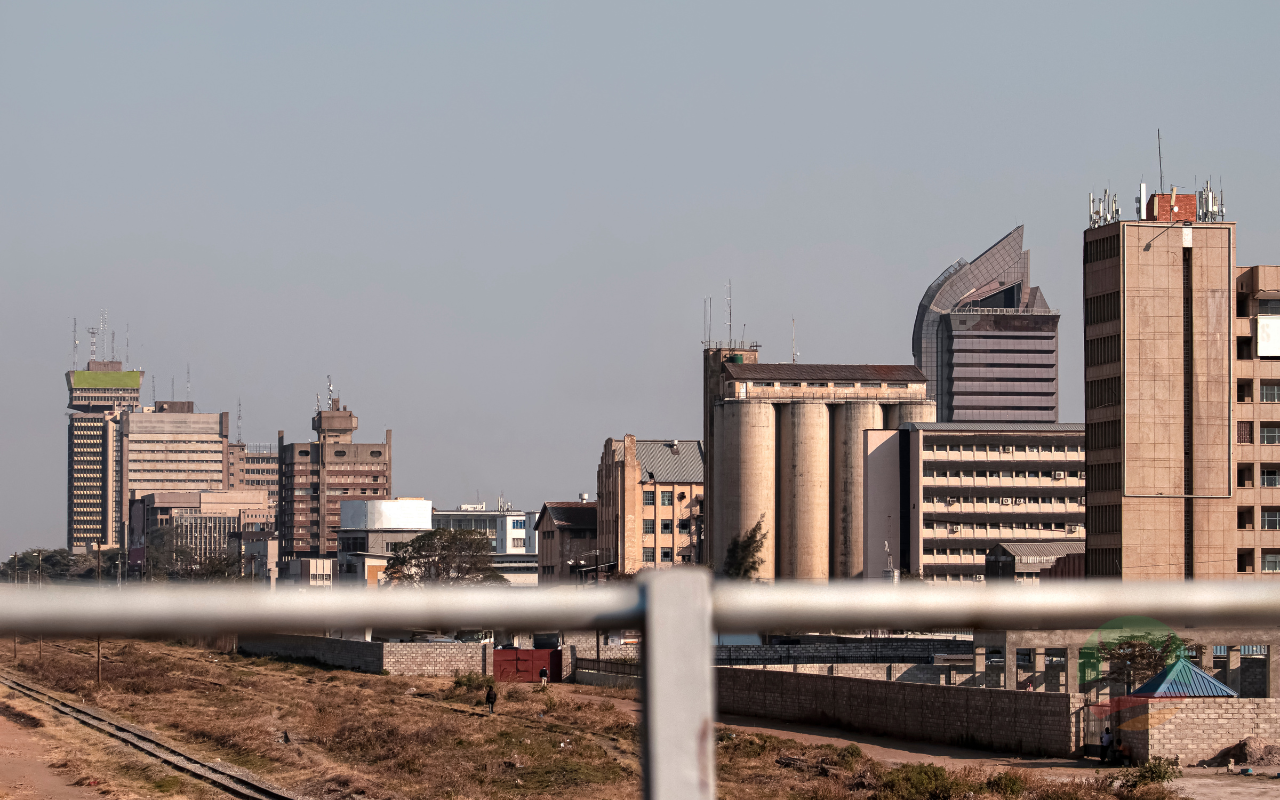
Photo: Edmond DantèsPexelsPexels License
LUSAKA, 26 JUNE 2026—Updated 26 Jun 2026
LUSAKA — The size of Zambia's foreign-exchange reserves is now a live election issue, after a campaign clash between Finance Minister Situmbeko Musokotwane and opposition candidate Mundubile.
The dispute places macroeconomic management at the centre of the 13 August 2026 vote. Reserves, debt repayment and the cost of imports are now campaign talking points, not technical footnotes, with both camps competing to define what economic recovery should mean for ordinary households.
At a campaign rally in Nyimba, in Eastern Province, the Tonse Alliance presidential candidate Mundubile questioned the purpose of holding large foreign-exchange reserves while many citizens still struggle to meet daily needs. Mundubile argued, in remarks to the effect that the country's reserves are its stomachs, and suggested a Tonse government would place less emphasis on accumulating reserves.
Finance Minister Situmbeko Musokotwane, of the governing UPND, responded in a public statement defending reserve accumulation. Musokotwane likened dismissing reserve readings to a medical doctor who tells patients that their blood pressure, blood sugar and temperature readings do not matter.
According to Musokotwane, adequate reserves let Zambia pay for imports without shortages and service external debt without defaulting. Musokotwane contrasted that position with Zambia's 2020 sovereign default, which occurred under the previous PF government, presenting the reserve buffer as insurance against a repeat.
The exchange lands against a recovering economy. Data from the Zambia Statistics Agency shows annual inflation eased to 6.5% in June 2026, while gross domestic product grew 7.7% in the first quarter of 2026. Official figures put gross international reserves, the country's forex buffer, at about US$5.5 billion, with the Zambian kwacha (ZMW) appreciating roughly 20% across 2026 on copper inflows and debt-restructuring progress.
Those numbers anchor the campaign argument. Musokotwane points to reserves rebuilding toward US$5.5 billion as proof that fiscal discipline is working, while Mundubile frames the same accumulation as money withheld from struggling families. The economy is the clearest dividing line in the 14-candidate 13 August race.
For Musokotwane, the forex buffer is a measure of national health rather than idle saving. According to the Treasury position, a reserve stock equal to several months of import cover lets the government absorb shocks to fuel, fertiliser and medicine prices without forcing sudden shortages on consumers. Musokotwane has linked that argument to inflation easing to 6.5%, presenting cooler prices and a stronger kwacha as connected outcomes of the same discipline.
Mundubile's case at Nyimba ran the other way. The Tonse Alliance candidate said the priority should be relief that households can feel, and questioned the logic of building reserves while families ration food and fuel. Mundubile's framing, that the country's reserves are its stomachs, casts the buffer as money locked away from people who need it now, and signals that a Tonse government would spend more freely rather than accumulate.
Economists watching the contest say both positions carry real trade-offs. Analysis of Zambia's recent history shows that thin reserves contributed to the strain that preceded the 2020 default, when the government could not comfortably meet external obligations. A larger buffer reduces the risk, but also represents resources not spent on immediate programmes, which is the gap Mundubile is pressing.
Dismissing reserve readings is like a medical doctor who tells patients that their blood pressure, blood sugar and temperature readings are not important.
— Situmbeko Musokotwane, Finance Minister, public statement, June 2026
Why reserves matter: foreign-exchange reserves are the hard-currency savings a country uses to pay for imports such as fuel and medicines and to meet external debt payments. Zambia defaulted on its sovereign debt in 2020; rebuilding reserves toward about US$5.5 billion is presented by the Treasury as a guard against another default.
Background
Zambia's 2020 default froze the country out of international markets and triggered a multi-year debt-restructuring process. Since then, official data shows the economy stabilising: the kwacha has strengthened, copper export earnings have risen, and inflation has cooled. Musokotwane has tied the governing UPND record to that turnaround, and the rebuilt reserve position is central to the claim.
The Tonse Alliance, with Mundubile as presidential candidate, has sought to redirect that recovery narrative toward household hardship. The argument at Nyimba was that headline stability has not reached ordinary people, and that reserve accumulation reflects misplaced priorities. The clash therefore turns a technical reserves debate into a question of who benefits from recovery, a theme the Electoral Commission of Zambia expects to dominate the closing weeks of the campaign.
The reserve question also sits inside Zambia's wider debt story. Restructuring agreements reached over recent years restored a measure of access to financing, and official data shows the kwacha recovering as confidence returned. Musokotwane has argued that walking back from reserve accumulation now would signal a reversal to creditors and markets, while the Tonse Alliance counters that creditors should not outrank citizens in a government's priorities.
Whichever frame voters accept, the figures themselves are not in serious dispute. Reserves of about US$5.5 billion, inflation of 6.5% and first-quarter growth of 7.7% are the agreed backdrop; the campaign turns on what they mean. For Musokotwane the figures are evidence of repair, and for Mundubile the figures are evidence of a recovery bypassing the household. The contest of interpretation now defines the economic stretch of the race.
What to watch
Watch whether reserves, debt and the cost of living harden into the campaign's defining frame as 13 August nears, and whether fresh Zambia Statistics Agency releases on inflation and growth shift the argument. Track our full politics coverage for updates.
Frequently Asked Questions
What is the dispute between Musokotwane and Mundubile about?
In short, the disagreement is about how much value Zambia should place on foreign-exchange reserves. Mundubile, at a campaign rally in Nyimba, questioned holding large reserves while citizens struggle, while Musokotwane defended them in a public statement. Data from the Zambia Statistics Agency puts reserves at about US$5.5 billion, the figure at the heart of the argument.
What are foreign-exchange reserves used for?
Simply put, reserves are a country's hard-currency savings. According to Musokotwane, adequate reserves let Zambia pay for imports without shortages and service external debt without defaulting. With reserves near US$5.5 billion in 2026, official data shows the buffer has been rebuilt since the 2020 default.
Why is the economy central to the 2026 election?
The key is the recovery record. Zambia Statistics Agency data reveals inflation easing to 6.5% in June 2026 and growth of 7.7% in the first quarter, which the governing UPND presents as evidence of repair. The opposition Tonse Alliance argues those gains have not reached households, making the economy the central battleground ahead of 13 August.
How does Zambia's 2020 default shape the argument?
In other words, the default is the cautionary backdrop. Zambia stopped servicing its sovereign debt in 2020 under the previous PF government, and Musokotwane has cited that episode to argue reserves guard against a repeat. Analysis of official figures shows the kwacha appreciating roughly 20% in 2026 as restructuring progressed.
Who is overseeing the 13 August 2026 vote?
The answer is the Electoral Commission of Zambia, the body that administers the general election. According to the commission, Zambians go to the polls on 13 August 2026 in a contest the field of candidates has framed largely around the economy. Reserve levels near US$5.5 billion and inflation of 6.5% are among the figures shaping that debate.
Sources
Economic data: Zambia Statistics Agency (inflation and GDP); Bank of Zambia (reserves and exchange rate); Electoral Commission of Zambia (election administration). The remarks by Mundubile are attributed to his campaign rally in Nyimba; the remarks by Musokotwane are attributed to a public statement.
More on Politics

Hichilema wins Zambia's 2026 election for a second term
Zambia's Electoral Commission has declared Hakainde Hichilema president-elect for a second term with about 61 per cent of the vote, over Brian Mundubile's 38 per cent, as the opposition rejects the count.

Press freedom groups urge Zambia to keep the internet on
The Committee to Protect Journalists and the #KeepItOn Coalition urged Zambian authorities and telecoms operators to keep internet access open through the 13 August election, as Amnesty International called for a detained journalist's release.
The Kwacha News briefing.
Business, markets and the Zambian economy — in your inbox.

