

Guinea bans raw gold exports as Africa pushes local refining
Guinea joins a growing group of African producers insisting minerals are processed before they leave. For Zambia, whose copper still leaves largely unfinished, the move sharpens an old question.
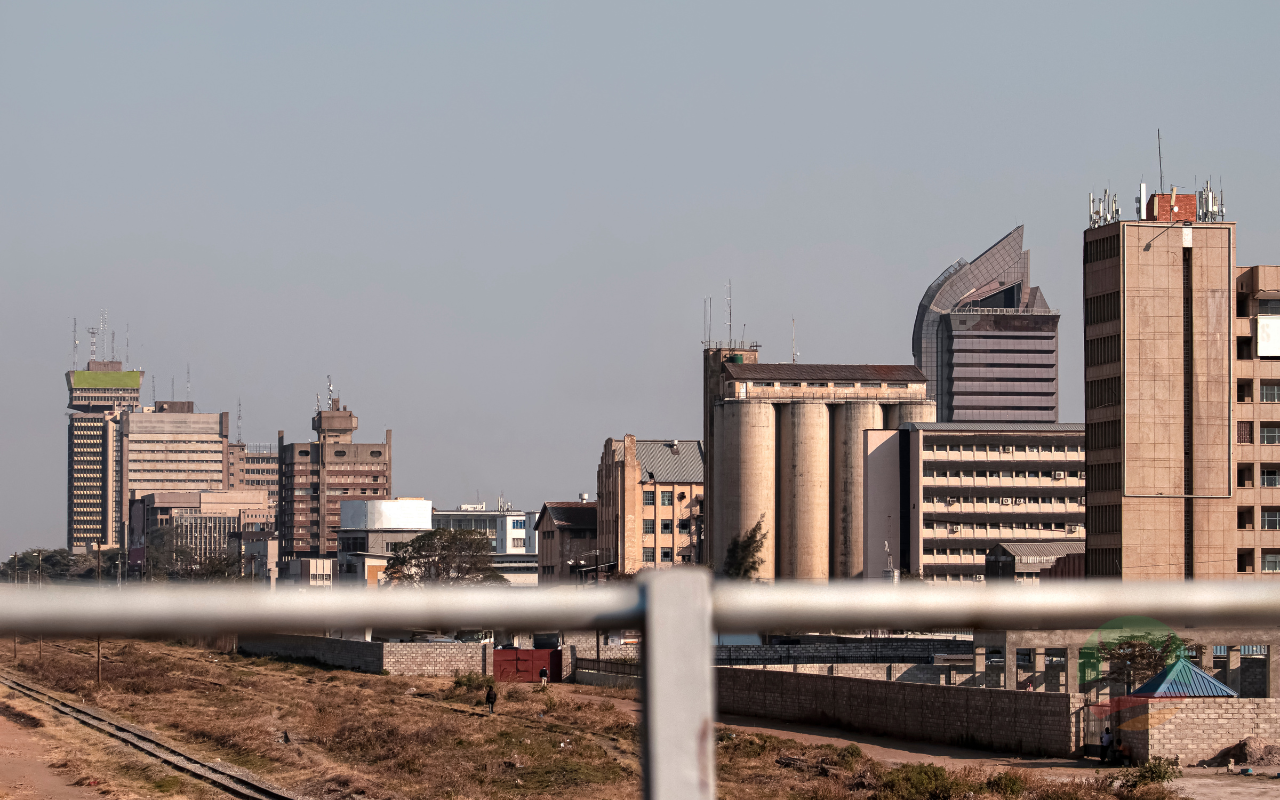
Photo: Gaynor MullenPexelsPexels License
LUSAKA, 13 AUGUST 2026—Updated 13 Aug 2026
LUSAKA — Guinea has banned exports of raw gold and now demands local refining, a decision that is part of a wider African push to process minerals before they leave the continent.
Guinea is one of a growing number of African countries to insist on domestic processing of commodities prior to export, African Business reported. The policy direction matters well beyond Guinea, because the argument behind it applies to every African economy that ships an unfinished mineral and imports the finished product back.
The rule bans the raw form rather than the trade itself: gold may still leave, but only once it has been refined inside the country. As Africa pushes harder on local processing, that same distinction is being applied across a widening range of commodities, from bauxite to copper.
The value-addition argument
The case for local processing is an argument about where the money is made. A raw mineral sold at the mine gate earns a producer country a price, a royalty and some employment. The refining, alloying and manufacturing that follow earn considerably more, and they happen somewhere else.
Governments that impose processing requirements are trying to capture that difference. The bet is that a captive supply of raw material will pull refining capacity into the country, and with it the jobs, the skills and the tax base that sit around a refinery.
The policy in short: raw gold exports banned · refining required inside Guinea before export · rationale — capture more of the value chain at home · context — a growing number of African producers are imposing similar processing rules, according to African Business.
Why this lands in Zambia
Zambia sells copper. Copper is the country's dominant export, its main source of foreign exchange and the single largest determinant of the kwacha's direction. The share of that copper leaving the country as a finished product is small.
Kwacha News examined the fiscal side of this in its reporting on mining licences, royalties and ZCCM Investments Holdings. Royalties capture a slice of the mine-gate price. They do not capture what happens to the metal afterwards.
The case against a ban
Export restrictions are not a free instrument, and the record across commodity producers is mixed. Three objections recur.
The first is capital. A refinery is a long-lived, expensive asset, and the decision to build one turns on power costs, transport, skills and policy stability over decades — not on an export rule that could be reversed by a future government.
The second is power. Metal processing is electricity-intensive, and Zambia's supply has been constrained; the drought risk to hydropower that Kwacha News covered in its reporting on El Niño, copper and maize is the same constraint that would bind any new smelting or refining capacity.
The third is revenue timing. A ban that bites before the domestic capacity exists reduces exports without replacing them, which shows up immediately in the trade account — the balance Kwacha News tracked in its coverage of the narrowing June trade surplus — and in the foreign exchange the kwacha depends on.
Guinea is one of a growing number of African countries to insist on domestic processing of commodities prior to export.
— African Business, <a href="https://african.business/2026/08/resources/guinea-demands-local-gold-refining-as-raw-gold-exports-banned">Guinea demands local refining as raw gold exports banned</a>, 10 August 2026
The sequencing question
The serious version of the value-addition argument is not whether to process at home but in what order. Build capacity first and the export rule becomes a formality; impose the rule first and the country carries the cost of the gap.
Countries that have made this work generally did the unglamorous things first: reliable power, predictable tax treatment, transport that moves heavy freight cheaply, and technical training pipelines. The export restriction came last, as confirmation rather than as the instrument.
The regional dimension
There is also a continental argument that cuts against every country building its own refinery. The African Continental Free Trade Area (AfCFTA) was designed on the premise that scale comes from a single market rather than from parallel national capacity, and refining is exactly the kind of capital-intensive activity where duplication across borders wastes money.
If several producers each impose national processing mandates simultaneously, the result may be a set of undersized, high-cost plants rather than a few competitive ones. The alternative — regional specialisation, with metal moving duty-free to wherever processing is most efficient — depends on trust between governments that national mandates tend to erode.
What to watch
Watch whether refining capacity actually locates in Guinea over the next two to three years, or whether the metal simply reroutes. That answer is the most useful evidence Zambia will get about whether a processing mandate delivers, and it will arrive well before any Zambian government has to decide the same question for copper. This story is part of Kwacha News's business and economy coverage.
Frequently Asked Questions
These are the questions readers have been asking about Guinea's export ban and its relevance to Zambia. Short answers follow, drawn from African Business and Kwacha News reporting.
What has Guinea banned?
In short, the export of raw gold. African Business reported that Guinea now demands local refining before gold leaves the country. The key is that the requirement targets the unprocessed form rather than the metal itself.
What is value addition in mining?
Simply put, value addition means processing a mineral closer to its finished form before selling it. In other words, instead of exporting ore or concentrate, a country refines, alloys or manufactures first, capturing the margin that would otherwise be earned abroad.
Does Zambia export raw copper?
The answer is that copper dominates Zambian exports and only a small share leaves as a finished product. Data on the trade account shows how heavily the country's foreign exchange earnings rest on that single commodity.
Would an export ban work for Zambian copper?
Evidence from commodity producers is mixed, and analysis points to three constraints: the capital cost of refining capacity, electricity supply, and the revenue gap between imposing a ban and having capacity in place. The key is sequencing rather than principle.
Why does electricity matter to mineral processing?
Research on smelting and refining shows the process is electricity-intensive. According to reporting on Zambia's hydropower exposure, drought-driven supply constraints already limit industrial power, which is the same constraint any new refining capacity would face.
Sources
African Business: Guinea demands local refining as raw gold exports banned, 10 August 2026. Earlier Kwacha News reporting: mining licences, royalties and ZCCM-IH, El Niño drought risk to copper and maize, and the narrowing June trade surplus.
More on Business & Economy

Zambia cuts fuel prices again as shop prices stay high
Zambia's Energy Regulation Board cut pump prices for a third straight month in August 2026, but transport fares and food prices remain high and non-food inflation is rising.

Zambia's trade surplus narrows to K4.2bn as imports jump
Zambia recorded a K4.2 billion trade surplus in June 2026, down from K7.0 billion in May, as imports rose 10.2% and exports fell 1.6%, ZamStats said.

Zambia eyes a new IMF deal after the vote as growth rebounds
Growth is up 7.7%, inflation is in target and the debt workout is nearly done. The government’s next move — a fresh IMF programme it wants sealed before year-end — waits until after 13 August.
The Kwacha News briefing.
Business, markets and the Zambian economy — in your inbox.