

Zambia's copper output set to pass one million tonnes
Expansion at Lumwana, Konkola, Mopani and Lubambe is on track to push national copper output above one million tonnes in 2026 — a level Zambia has chased for a decade.
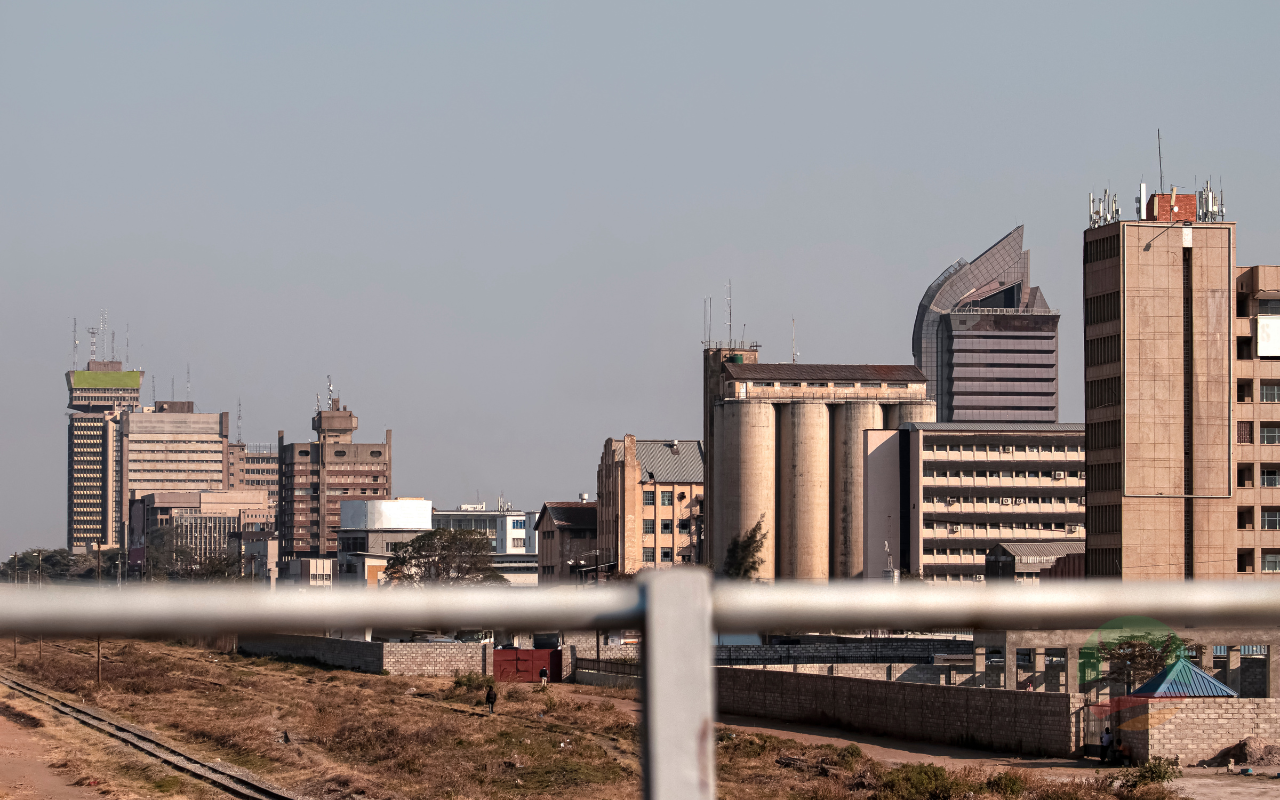
Photo: BlueSalo / Wikimedia CommonsWikimedia CommonsCC BY-SA 3.0
LUSAKA, 22 MAY 2026—Updated 8 Jul 2026
LUSAKA — Zambia's copper output is set to pass one million tonnes in 2026, a level the country has long chased, as expansion projects at its biggest mines ramp up production.
Copper is the spine of the Zambian economy, generating most of the country's export earnings and a large share of government revenue. A jump above one million tonnes therefore reaches far beyond the mines: it lifts mineral royalties, supports the kwacha, and underpins the growth the country is banking on. It also marks progress toward a target the government has set out loud — three million tonnes a year by 2031.
Where the extra copper is coming from
The increase is concentrated in four operations. Barrick's Lumwana mine in North-Western Province is building a super-pit expansion, Konkola Copper Mines (KCM) is being recapitalised under Vedanta, Mopani Copper Mines is ramping up after its International Resources Holding investment, and Lubambe is working back toward fuller output.
Together these projects are expected to add around 400,000 tonnes of annual copper production as they reach full ramp-up. Fitch Solutions has forecast a 10% rise in Zambian output in 2026, the increment that takes national production through the one-million-tonne mark. The data shows the gains are front-loaded onto a handful of large assets rather than spread thinly.
Price is the tailwind. Fitch sees the global copper price averaging about $11,900 a tonne in 2026, up almost 20% on 2025, and the metal has traded at records above $13,000 during the year. Higher volume into a higher price is the combination Lusaka has waited for since the post-2021 recovery began.
Expansion projects at Lumwana, Konkola, Lubambe and Mopani are expected to add roughly 400,000 tonnes of annual copper production as they reach full ramp-up, taking Zambian output past one million tonnes.
— Production outlook consistent with Fitch Solutions and company project disclosures for 2026
What it means for the economy
More copper means more dollars. Mining royalties and corporate taxes rise with volume and price, giving the Ministry of Finance more room as it runs its IMF-backed programme. Research from past booms shows the export receipts also feed the currency, and the kwacha has strengthened around 30% against the US dollar over the past year.
Growth follows the metal. The African Development Bank and the government see GDP expanding near 6.4% in 2026, among the region's fastest, with mining the main engine alongside an agricultural rebound. The analysis is straightforward: when copper volumes rise, the wider Zambian economy tends to rise with them.
The same dependence is the caution. A one-million-tonne year is a milestone, but it leaves Zambia exposed to a single metal and a single price. Diversification into agriculture, energy and value addition is the stated answer, and the data shows it remains a work in progress rather than a finished shift.
Zambia's copper milestone — the essentials
2026 forecast: output passes one million tonnes · Driver: about 400,000 tonnes added from Lumwana, KCM, Mopani and Lubambe at full ramp-up · Output growth: about 10% on 2025 (Fitch Solutions) · Price: averaging near $11,900 a tonne, with records above $13,000 · Government target: three million tonnes a year by 2031 · Main risk: electricity supply
Background
Zambian copper output sagged through a difficult stretch — ownership disputes at KCM and Mopani, a drought that cut hydropower, and load-shedding that throttled the mines. The resolution of those ownership questions, with Vedanta back at KCM and International Resources Holding at Mopani, cleared the way for the capital that expansion needs.
The one-million-tonne mark is a staging post, not the destination. The government's three-million-tonne ambition for 2031 would put Zambia among the world's major copper sources, but it depends on new projects, reliable power and prices that hold. Evidence from the current cycle shows the first of those conditions is being met; the others are not yet settled.
Frequently Asked Questions
These are the questions Zambian readers have been asking about the copper-output milestone. Short answers follow, drawn from Fitch Solutions forecasts, company disclosures and government targets.
What is Zambia's copper output target?
In short, three million tonnes a year by 2031. The answer is that 2026 is a step on the way, with output set to pass one million tonnes. The key is that the long-term target depends on new mines, power and price, not on the current expansions alone.
How does mine expansion lift production?
Simply put, bigger pits and recapitalised plants process more ore. According to project disclosures, Lumwana's super-pit, Konkola's recapitalisation and Mopani's ramp-up add around 400,000 tonnes a year combined. Data from Fitch Solutions shows that increment is what carries output past one million tonnes.
Why is one million tonnes significant?
The answer is revenue and confidence. Evidence from the economy shows more copper lifts royalties, taxes and the currency, and signals that the post-2021 recovery is real. The key is that volume and a high price arriving together is the combination Lusaka has waited for.
Who is investing in Zambia's copper expansion?
In other words, the major mine owners. Research into the sector shows Barrick at Lumwana, Vedanta at Konkola Copper Mines and International Resources Holding at Mopani are the main backers of the current build-out. The data shows the gains are concentrated in these large operations.
What are the risks to the forecast?
Analysis of the sector shows power supply is the central risk; the mines need reliable electricity that drought has threatened before. Evidence from the price also matters — a fall in copper would cut the revenue the volume is meant to deliver. Each risk is operational or external, not a question of demand.
What to watch
Two signals. The first is the production data the mines and the government report through the year, which will confirm whether output clears one million tonnes. The second is electricity supply: a return of load-shedding would slow the ramp-up that the forecast assumes, regardless of how high the copper price goes.
Sources
Fitch Solutions forecast, reported via African Mining Market: 10% output rise and one-million-tonne projection for 2026. African Development Bank: Zambia economic outlook.
Kwacha News earlier coverage: copper's record run above $13,000, local procurement on the Copperbelt, and the energy supply backdrop that the mines depend on.
More on Business & Economy

Guinea bans raw gold exports as Africa pushes local refining
Guinea has banned raw gold exports and now demands local refining, African Business reported. For Zambia, whose copper still leaves largely unprocessed, the move sharpens a long-running question about where the value is captured.

Zambia cuts fuel prices again as shop prices stay high
Zambia's Energy Regulation Board cut pump prices for a third straight month in August 2026, but transport fares and food prices remain high and non-food inflation is rising.

Zambia's trade surplus narrows to K4.2bn as imports jump
Zambia recorded a K4.2 billion trade surplus in June 2026, down from K7.0 billion in May, as imports rose 10.2% and exports fell 1.6%, ZamStats said.
The Kwacha News briefing.
Business, markets and the Zambian economy — in your inbox.