

Zambia inflation eases to 6.5% in June 2026
A bumper maize harvest and a firmer kwacha pulled annual price growth to its lowest reading in more than eight years.
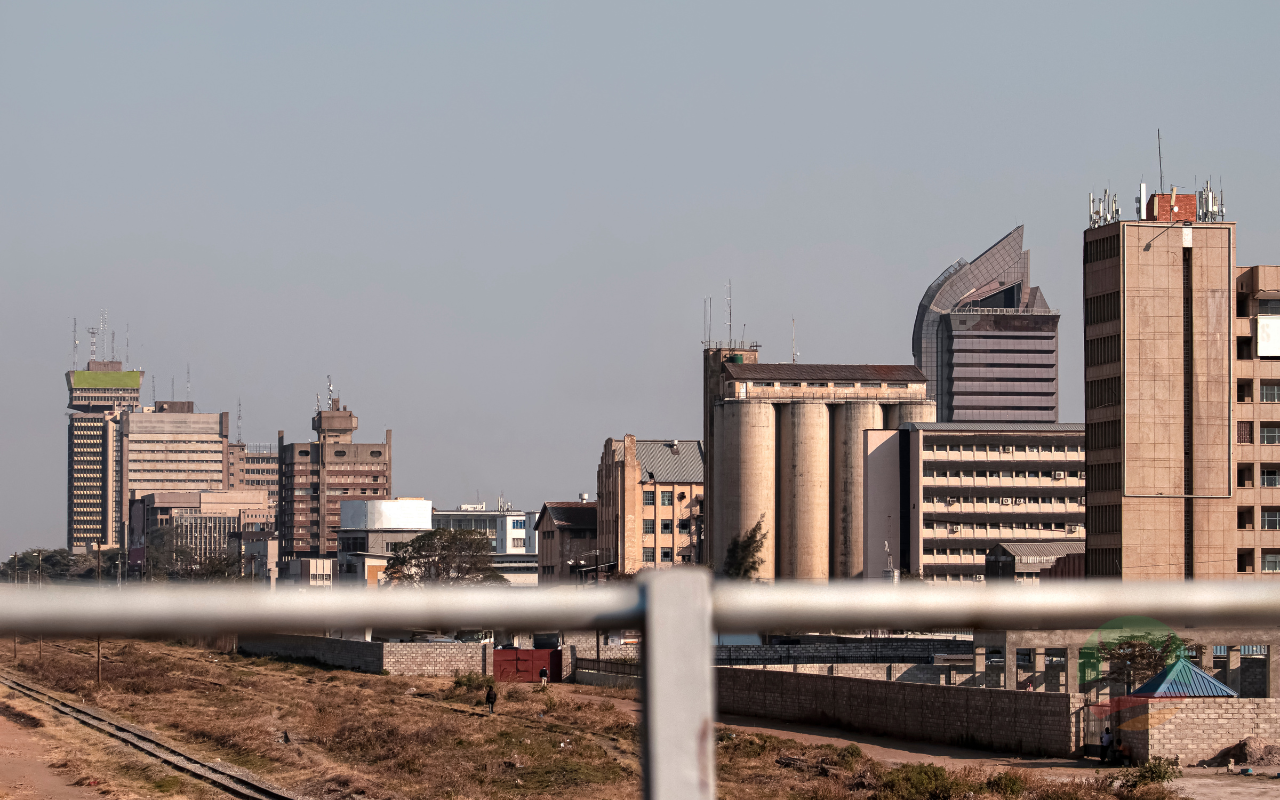
Photo: Sincerely MediaUnsplashUnsplash License
LUSAKA, 26 JUNE 2026—Updated 8 Jul 2026
LUSAKA — Zambia's annual inflation rate is 6.5% in June 2026, down from 6.6% in May and the lowest reading since February 2018, the Zambia Statistics Agency said.
The slowdown matters because the headline rate now eases firmly inside the Bank of Zambia's 6% to 8% target corridor for the first time in several years, lifting pressure off household budgets and off interest rates. A reading inside target is the threshold the central bank watches before it considers cutting borrowing costs further.
The June reading caps a steady descent through the first half of 2026. Data from the Zambia Statistics Agency shows annual food inflation softened to 6.7% in June from 6.9% in May, while annual non-food inflation eased to 6.0% from 6.1%.
Both halves of the basket moved in the same direction, which analysts read as a sign of durable rather than fleeting disinflation. When food and non-food prices ease together, the cooling tends to reflect underlying supply and currency conditions rather than a one-off discount in a single market. Independent analysis of the series found the descent has held for several consecutive months, evidence that the trend is structural and not a seasonal blip.
Month-on-month price growth also cooled. The Zambia Statistics Agency recorded monthly inflation of 0.1% in June, down from 0.2% in May, a sign that the headline figure reflects a broad easing rather than a single volatile category.
A monthly print near zero is significant for households. It means prices in the shops barely moved between May and June, a marked change from the months of steady increases that squeezed wages and savings through the drought period. The figure shows the kwacha in pockets is stretching further than it did a year ago.
Two forces sit behind the cooling, according to analysts tracking the figures. A bumper maize harvest has lifted food supply across the country, while a strengthening kwacha has cut the cost of imported goods. The Zambian kwacha (ZMW) has appreciated nearly 20% in 2026, supported by copper mining inflows and progress on debt restructuring.
Maize is the staple of the Zambian diet and the single largest line in the food basket. A strong harvest eases the price of mealie meal, the milled-maize flour that feeds most households, and that relief ripples through the wider cost of living. The Zambia Statistics Agency data shows food remained the dominant driver of the headline rate, so the harvest matters more than any other factor.
Food carries the heaviest weight in the consumer basket, so the maize recovery feeds directly into the headline rate. Kwacha News has tracked the copper rally lifting the kwacha, a currency move that lowers the import bill for fuel, fertiliser and packaged goods.
The disinflation also reinforces the monetary-policy turn. Analysis of the rate path shows the June figure follows the Bank of Zambia's May rate cut to 13.25%, the central bank's first easing after a long tightening cycle held to contain prices.
Annual inflation for June 2026 was recorded at 6.5 percent, down from 6.6 percent recorded in May 2026.
— Zambia Statistics Agency, <a href="https://www.zamstats.gov.zm/">monthly Consumer Price Index bulletin, June 2026</a>
The numbers in brief: annual inflation 6.5% (from 6.6% in May); monthly inflation 0.1% (from 0.2%); annual food inflation 6.7%; annual non-food inflation 6.0%. The 6.5% headline is the lowest since February 2018 and now sits inside the Bank of Zambia's 6% to 8% target band.
Background
Zambia spent much of the past two years fighting elevated prices driven by drought, a weak kwacha and the cost of servicing external debt. A poor 2024 harvest pushed food prices sharply higher and kept the headline rate in double digits for stretches of that period. The June 2026 figure of 6.5% therefore marks a clear break from that era, the lowest the Zambia Statistics Agency has recorded in more than eight years.
The picture turned through 2026 as rains improved, copper earnings climbed and the kwacha firmed. Evidence of the recovery shows up across the data: a stronger currency, a better grain crop and Zambia's debt restructuring progress have together pulled the inflation rate down month after month toward the central bank's target.
Copper is central to that story. As the country's main export, copper sets the supply of foreign exchange that anchors the kwacha. Higher mining inflows in 2026 strengthened the currency, and a firmer kwacha is itself disinflationary because so much of what Zambia consumes is imported and priced in dollars.
Debt restructuring forms the other pillar. Progress on rescheduling external debt has restored a measure of investor confidence and reduced the pressure that forced authorities to lean on the kwacha to meet obligations. The combined effect, according to analysts, is a more stable currency and a calmer pricing environment for businesses and consumers alike.
What to watch
Watch the Bank of Zambia's next rate decision, the durability of the maize harvest into the lean season and the kwacha's path against the dollar. A reversal in any one of the three could halt the disinflation. Global copper prices and the pace of debt-deal implementation are the external risks that could swing the currency. For more, follow Kwacha News markets coverage.
Frequently Asked Questions
What is Zambia's inflation rate in June 2026?
In short, the answer is 6.5%. The Zambia Statistics Agency reported annual inflation of 6.5% for June 2026, down from 6.6% in May. Data shows the figure is the lowest reading since February 2018, and it places price growth inside the Bank of Zambia's 6% to 8% target band.
Why is inflation falling in Zambia?
Simply put, supply and the currency. According to the Zambia Statistics Agency data and market analysis, a bumper maize harvest lifted food supply while a kwacha that has gained nearly 20% in 2026 cut import costs, together pulling food and non-food inflation lower. Annual food inflation fell to 6.7% and non-food to 6.0%, evidence that the easing reached both halves of the basket.
How does the kwacha affect inflation?
The key is import pricing. A stronger kwacha makes imported fuel, fertiliser and goods cheaper in local terms. Research on the 2026 currency move shows copper inflows and debt-restructuring progress underpinned the roughly 20% appreciation that helped curb price pressure. Because Zambia imports much of its fuel and inputs, the currency feeds quickly into the shelf prices the Zambia Statistics Agency measures each month.
What are the food and non-food figures?
In other words, both eased. The Zambia Statistics Agency reported annual food inflation of 6.7% in June, down from 6.9% in May, and annual non-food inflation of 6.0%, down from 6.1%. The data reveals a broad-based slowdown rather than one category.
How can lower inflation help the Bank of Zambia?
The answer is policy room. With inflation at 6.5%, inside the 6% to 8% target band, the central bank gains scope to weigh further easing. According to the rate record, the May cut to 13.25% already signalled that the Bank of Zambia found the trend convincing. A sustained reading inside target gives the central bank cover to support growth without reigniting prices, though the data suggests it will move cautiously while harvest and currency risks remain.
Sources
Primary sources: Zambia Statistics Agency (monthly Consumer Price Index release); Bank of Zambia (monetary-policy statements and target corridor); and Xinhua reporting on the June 2026 inflation figures.
More on Markets

Zambia's inflation holds at 6.5% for a second month
Annual inflation stayed at 6.5% in July 2026, ZamStats said. Food inflation eased to 6.4% while non-food rose to 6.7%, holding the headline rate inside the central bank's target band.

Bank of Zambia cuts kwacha reserve ratio to 21%
The Bank of Zambia cut the statutory reserve ratio on kwacha deposits to 21% from 26%, freeing about K5 in every K100 of deposits for lending. The ratio on foreign-currency deposits stays at 36%.
The Kwacha News briefing.
Business, markets and the Zambian economy — in your inbox.

