

Copper rally lifts Zambia’s kwacha and bond market
A copper boom has rebuilt Zambia’s reserves, steadied the kwacha and kept the government’s bond market trading — the clearest signs yet that the country is pulling clear of its debt crisis.
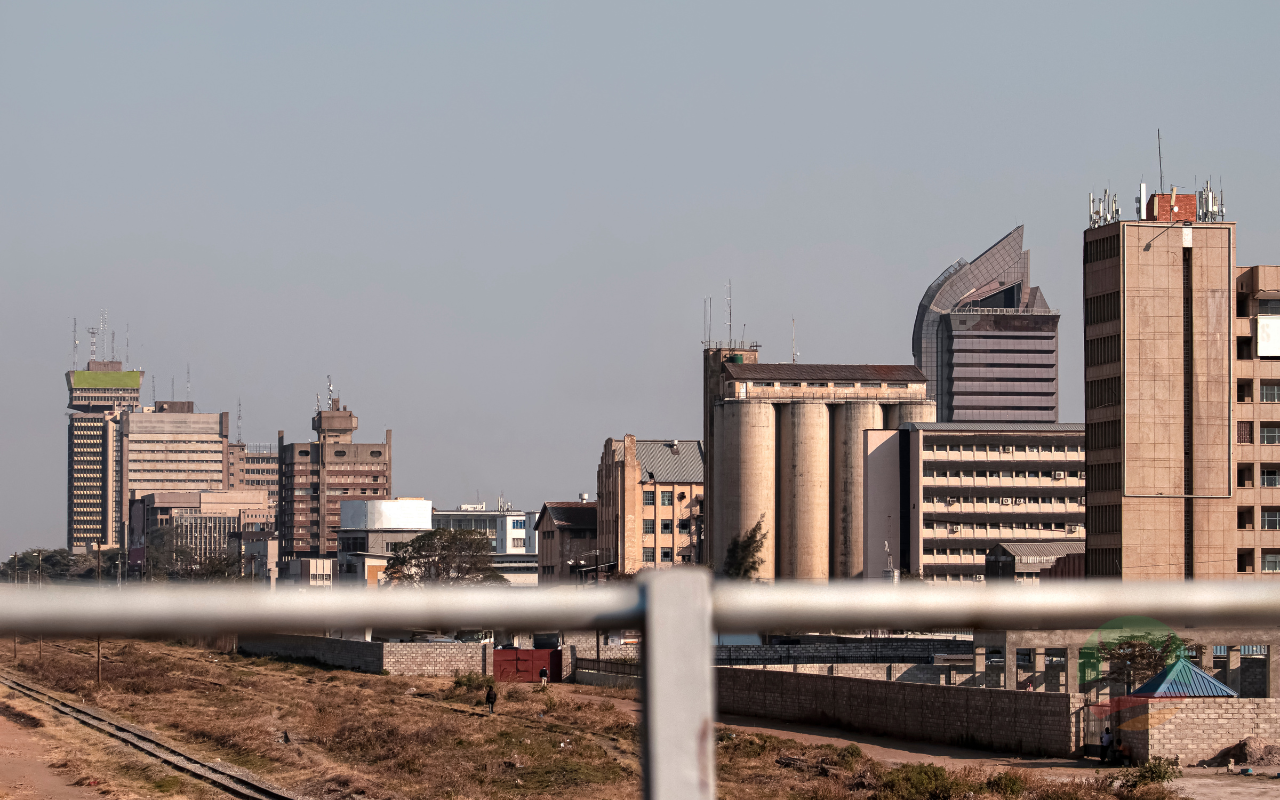
Photo: Arthur HickinbothamUnsplashUnsplash License
LUSAKA, 20 JUNE 2026—Updated 8 Jul 2026
LUSAKA — Zambia’s kwacha is among the world’s stronger currencies this year, lifted by a copper rally that has rebuilt reserves, widened exports and kept the government’s bond market trading through mid-June.
The shift matters because it changes what Zambia can afford. A firmer currency and active local-debt market lower the cost of borrowing, ease imported inflation and give the Treasury room it did not have during four years of default. This story is part of Kwacha News’s continuing markets coverage.
The Securities and Exchange Commission published daily government bond secondary-market trade summaries on 17 and 18 June, a routine signal that investors are still buying and selling Zambian government paper rather than shunning it. The backdrop is copper.
What is driving the kwacha
Copper is the engine. Zambia is Africa’s second-largest copper producer, and the metal accounts for more than 70% of export earnings. A sustained price rally has pushed those earnings higher and rebuilt the foreign-exchange reserves that anchor the currency — reserves had climbed to about $4.7 billion by mid-2025, according to figures reported by Bloomberg and others.
The numbers under the recovery are concrete. In the fourth quarter of 2024, copper export earnings rose 22.3% to $2.6 billion, and mining corporate income tax came in 115.3% above target, data cited by Ecofin Agency shows. Higher export dollars mean more supply of foreign currency, which supports the kwacha.
No one strategic partner is to be treated preferentially to others.
— Foreign Minister Mulambo Haimbe, on Zambia’s financing strategy, <a href="https://www.ecofinagency.com/news/0705-55350-zambia-quits-default-era-by-restarting-borrowing-engine">via Ecofin Agency</a>
Snapshot: Copper, which makes up more than 70% of Zambia’s export earnings, has rallied through 2026, lifting export receipts and rebuilding reserves to about $4.7 billion. The Zambian kwacha has been one of the year’s stronger emerging-market currencies, and the government’s bond market kept trading in mid-June. Output was roughly 820,000 tonnes in 2024, with the government targeting 3 million tonnes a year by 2031.
Why it matters
A strong kwacha is not an abstraction; it reaches the till. When the currency holds, imported goods — fuel, fertiliser, machinery — cost less in kwacha terms, which feeds through to prices on the shelf. Kwacha News reported when the currency broke below K18 to the dollar on copper and harvest gains earlier this year.
The bond market matters for the same reason. A government that can sell debt at home, in its own currency, depends less on expensive foreign borrowing. Kwacha News has tracked how Zambian sovereign bonds delivered the world’s best returns at 39% as the restructuring closed, a turnaround that has drawn investors back to Lusaka.
The whole story rests on the copper price. Kwacha News set out what the metal’s moves mean for the kwacha and royalties when LME copper held above $13,500 a tonne. As long as the price stays firm, the export dollars keep arriving; if it falls, the props under the currency weaken.
Background — out of default
Zambia became the first African country to default on its sovereign debt during the pandemic, in late 2020, and spent four years in restructuring talks. The conclusion of those talks, paired with the copper rebound, has let the government pivot from managing default to raising fresh finance.
That pivot is visible on the Lusaka Securities Exchange, where local listings have grown in value; Kwacha News reported when Airtel Zambia crossed $1 billion in value on the exchange. A deeper local market gives Zambian savers and pension funds somewhere to invest and the government somewhere to borrow.
The recovery has also reshaped how Zambia is paid. The Bank of Zambia confirmed that Chinese mining firms began settling some taxes in yuan in late 2025 — described as an Africa-first arrangement — and talks on a currency swap with the People’s Bank of China opened during the year. Both moves trim the economy’s reliance on the dollar at the margin and deepen Zambia’s financial ties to its largest mining investor.
Risks remain. Roughly $3.3 billion of commercial debt, including loans from China Development Bank, was still under negotiation in early 2026, and copper prices are set in markets Zambia does not control. The recovery is real but not yet secure.
What to watch
The first thing to watch is the copper price. It sets export earnings, reserves and, through them, the kwacha — so every swing on the London Metal Exchange reaches Lusaka.
The second is the remaining debt talks. Closing the commercial-creditor negotiations would remove an overhang that still shadows the recovery.
The third is the bond market’s depth. Steady secondary trading is healthy; the test is whether yields fall far enough to make domestic borrowing genuinely cheaper for the Treasury.
Frequently Asked Questions
These are the questions readers have been asking about the kwacha and the bond market. Short answers follow, drawn from market data and official figures.
What is driving the kwacha’s strength?
In short, copper is driving it. The answer, simply put, is that a price rally has raised export earnings and rebuilt reserves to about $4.7 billion, which supports the currency. The key is that copper makes up more than 70% of Zambia’s export receipts.
How does copper affect the bond market?
The answer is through confidence and cash. Data shows higher copper revenue improves the government’s finances, which makes its bonds more attractive; research on the restructuring shows Zambian bonds posted strong returns as default risk fell.
Why is a strong kwacha good for households?
Simply put, a firmer kwacha lowers the cost of imports priced in dollars — fuel, fertiliser and machinery. Evidence from earlier gains shows that when the currency strengthened below K18, it eased pressure on prices.
What are the risks to the recovery?
According to the data, about $3.3 billion of commercial debt remained under negotiation in early 2026, and copper prices are set abroad. Analysis shows the recovery is real but depends on a price Zambia cannot control.
Which institutions report the bond trades?
Research shows the Securities and Exchange Commission publishes the government bond secondary-market trade summaries, and the Lusaka Securities Exchange hosts the listings where local equity and debt are traded.
Sources
Securities and Exchange Commission: GRZ bonds secondary-market trade summary, 18 June 2026. Ecofin Agency: Zambia restarts its borrowing engine. Bloomberg: kwacha hits highest since 2024 as copper demand soars. Moneyweb: copper rally boosts Zambia’s kwacha.
More on Markets

Zambia's inflation holds at 6.5% for a second month
Annual inflation stayed at 6.5% in July 2026, ZamStats said. Food inflation eased to 6.4% while non-food rose to 6.7%, holding the headline rate inside the central bank's target band.

Bank of Zambia cuts kwacha reserve ratio to 21%
The Bank of Zambia cut the statutory reserve ratio on kwacha deposits to 21% from 26%, freeing about K5 in every K100 of deposits for lending. The ratio on foreign-currency deposits stays at 36%.

El Niño returns: a double risk to Zambia’s copper and maize
A powerful El Niño is forming in the Pacific: good for the copper price Zambia’s budget leans on, bad for the rains its maize and hydropower depend on. It points both ways at once.
The Kwacha News briefing.
Business, markets and the Zambian economy — in your inbox.