

ECZ moves ballots to districts before 13 August vote
Distribution runs from 2 to 10 August, with party, civil society and media witnesses required at each district centre as sealed materials are opened and checked.
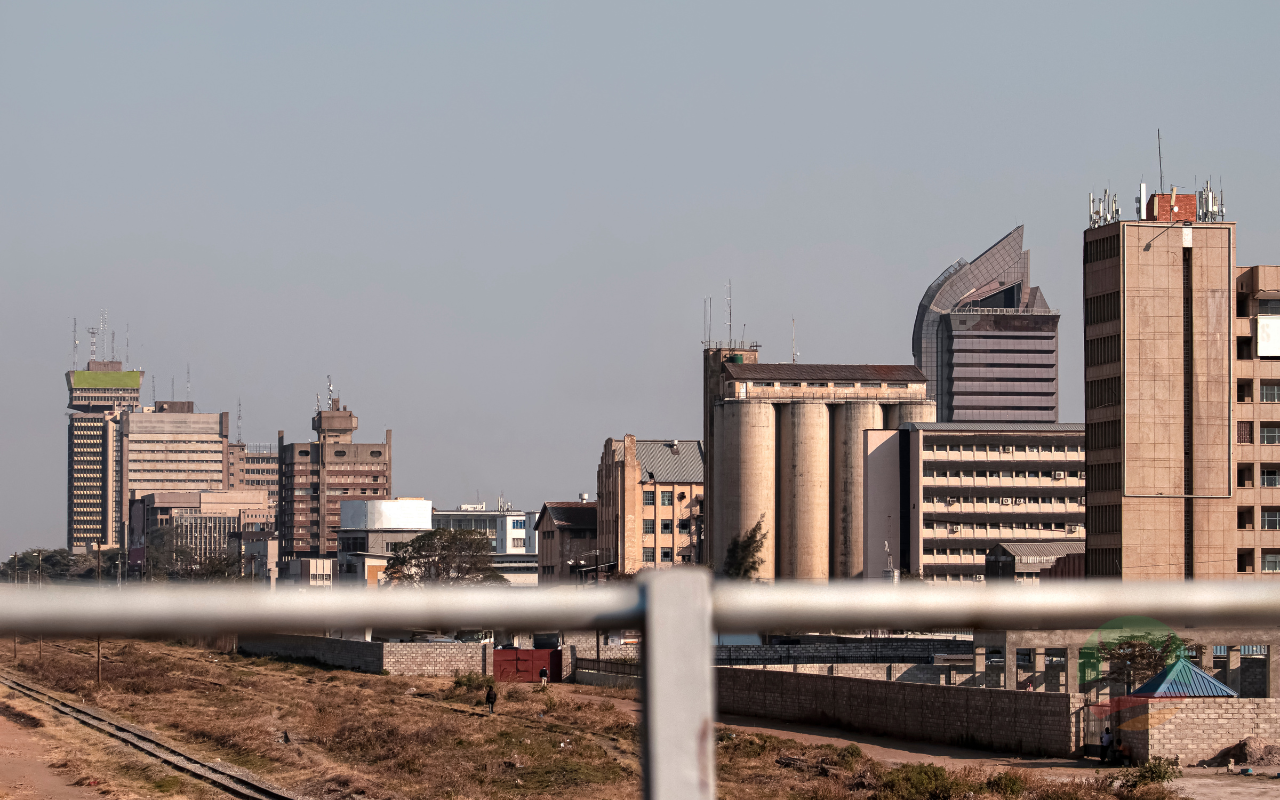
Photo: ZANISzanisGovernment of Zambia — editorial use
LUSAKA, 6 AUGUST 2026—Updated 6 Aug 2026
LUSAKA — The Electoral Commission of Zambia is moving ballot papers to district centres across the country, a distribution that runs from 2 to 10 August before polling on 13 August.
Ballot logistics is where most disputed elections are actually won or lost. Papers have to reach every district in sealed consignments, be opened in front of people entitled to object, and be counted against what was printed. The Commission has built the timetable so that each of those steps happens in public view, in the week before Zambians choose a president, a National Assembly and their local councils.
How the distribution works
Distribution began on Sunday 2 August and runs to 10 August, according to Sikota Mataa, the Commission's acting manager in charge of elections. District electoral officers have been instructed to notify political parties and other stakeholders to witness the receipt of sealed ballot materials as they arrive at district centres.
Brown Kasaro, the Commission's chief electoral officer, said the verification exercise is conducted in the presence of representatives from political parties, civil society organisations and the media, so that the process remains open to challenge at the point where materials change hands. In several districts more than ten stakeholder representatives have attended the arrival and physical verification of papers.
The distribution timetable at a glance — 2 August: nationwide distribution to district centres begins. • 2 to 10 August: sealed consignments arrive, are opened and verified before witnesses. • 13 August: polling day for presidential, parliamentary and local government elections. • Districts confirmed as having received papers include Kabompo, for Kabompo East and Kabompo West, and Mbala, for Mbala Central and Saise.
What is on the paper
The ballots being distributed carry the field the Commission certified after nominations closed. The Electoral Commission of Zambia published its formal notices of validly nominated candidates for the parliamentary and mayoral contests, setting out who appears where. The notice opens in the Commission's standard form.
Notice is hereby given to the general public that the following candidates were validly nominated following the lodging in of nominations.
— Electoral Commission of Zambia, <a href="https://www.elections.org.zm/?p=5598">Notice of Validly Nominated Candidates for the 2026 Parliamentary Elections</a>
Fourteen candidates are contesting the presidency. Kwacha News set out that field in its report on the 14-strong slate challenging President Hakainde Hichilema, in which Brian Mundubile leads the opposition challenge. A long presidential column and 70 newly created constituencies make this a physically larger printing and distribution job than the 2021 general election.
Background
The composition of the ballot has already been litigated. Kwacha News reported when the High Court quashed the Commission's ban on the candle ballot symbol, a decision that changed how independent candidates are identified on the paper. Symbols matter in a country where a meaningful share of voters navigates the ballot by mark rather than by name.
The campaign itself has been less orderly than the logistics. Police have dispersed opposition rallies in more than one province, and the Zambia Police Service has opened a review of one such operation. This report is part of Kwacha News's politics coverage.
What to watch
Watch whether every district confirms receipt before the 10 August deadline, whether any consignment is reported as broken-sealed or short on arrival, and whether party agents lodge formal objections at verification. A distribution that closes on time and without contested consignments removes one of the standard grounds for a post-election petition.
Frequently Asked Questions
What is ballot distribution and why does it matter?
In short, ballot distribution is the movement of printed papers from central storage to the districts where they will be used. Simply put, it is the last point at which papers can be counted before they reach polling stations. The key is the chain of custody: every transfer witnessed is a transfer that is difficult to dispute afterwards.
How does verification at a district centre work?
The answer is that sealed consignments are opened in front of witnesses. According to the Commission, district electoral officers notify parties and stakeholders to attend, and representatives of parties, civil society and the media watch the papers arrive and be physically checked. Evidence of attendance is the record that the verification took place.
When is the 2026 Zambian general election?
Polling is on Thursday 13 August 2026, the second Thursday of August as the Constitution requires. In other words, the distribution window closing on 10 August leaves three days between the last district delivery and the vote. Data on the timetable comes from the Electoral Commission of Zambia.
Who is allowed to witness the process?
Political parties, civil society organisations, accredited media and other stakeholders. Research into electoral disputes shows that observed handovers reduce the credibility of later claims of tampering, which is why the Commission has made witnessing the default rather than the exception at district centres.
What are the real risks in ballot distribution?
Analysis of election logistics reveals three durable risks: papers arriving late in remote districts where roads are poor, consignments that do not reconcile against the printed quantity, and disputes over who was present when seals were broken. Evidence from previous Zambian cycles shows the remote-district timing risk is the most common. Each risk is logistical, not a matter of intent.
Sources
Electoral Commission of Zambia: Notice of Validly Nominated Candidates for the 2026 Parliamentary Elections, Notice of Validly Nominated Candidates for the 2026 Mayoral and Council Chairperson Elections, and Electoral Commission of Zambia for the distribution timetable and the statements of Sikota Mataa and Brown Kasaro, August 2026.
More on Politics

Hichilema wins Zambia's 2026 election for a second term
Zambia's Electoral Commission has declared Hakainde Hichilema president-elect for a second term with about 61 per cent of the vote, over Brian Mundubile's 38 per cent, as the opposition rejects the count.

Press freedom groups urge Zambia to keep the internet on
The Committee to Protect Journalists and the #KeepItOn Coalition urged Zambian authorities and telecoms operators to keep internet access open through the 13 August election, as Amnesty International called for a detained journalist's release.
The Kwacha News briefing.
Business, markets and the Zambian economy — in your inbox.

