

Airtel Zambia hits $1bn value on Lusaka exchange
Airtel Networks Zambia became only the fourth company to cross a $1 billion market value on the Lusaka Securities Exchange, a milestone its managing director tied to economic reform and network investment.
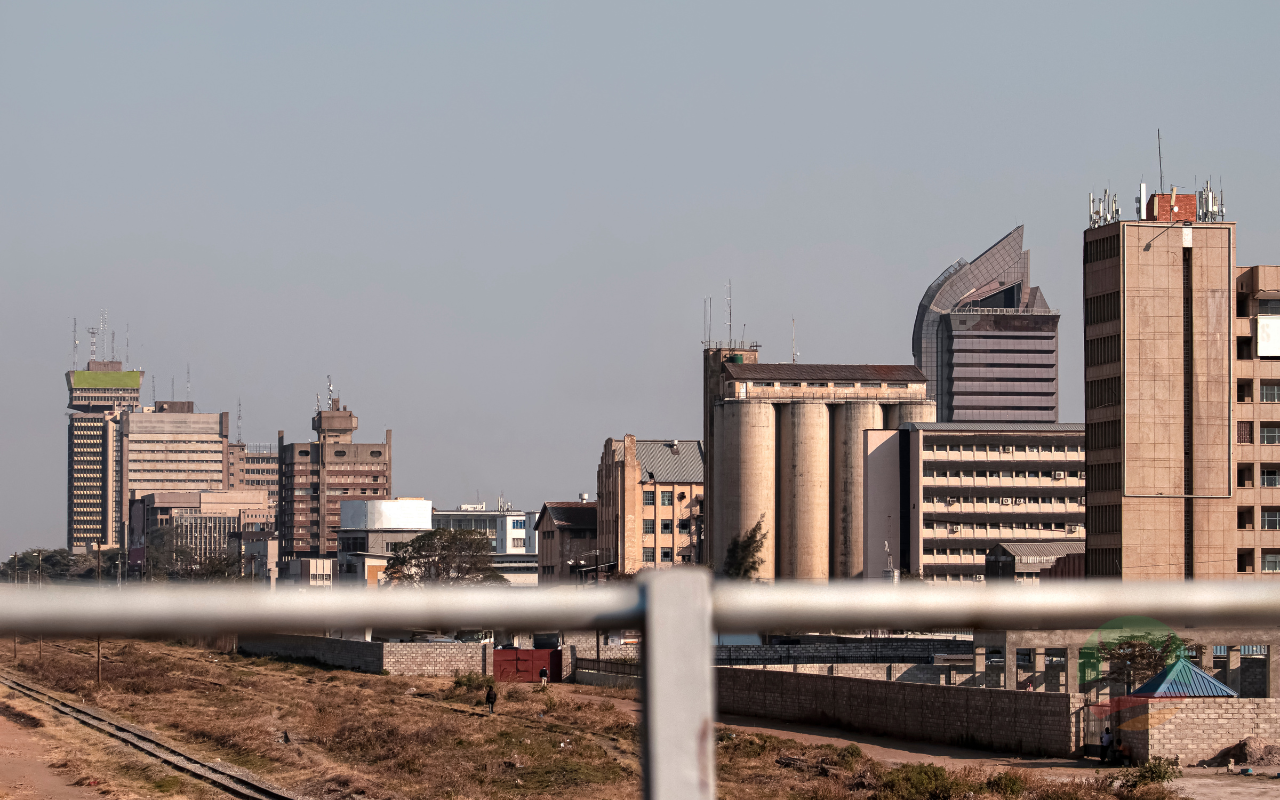
Photo: Amersfoort 001UnsplashUnsplash License
LUSAKA, 18 JUNE 2026—Updated 20 Jun 2026
LUSAKA — Airtel Networks Zambia is now worth more than $1bn on the Lusaka Securities Exchange, the fourth company in the bourse’s history to cross the mark.
The telecoms operator passed the threshold on 8 June, marking it with a bell-ringing ceremony on the exchange floor. The milestone is a rare bright spot for the Lusaka Securities Exchange, a small market that has struggled to attract listings, and it signals growing investor appetite for Zambian assets. The value of a single Zambian company crossing a billion dollars sits within Kwacha News’s markets coverage of a recovering economy.
The milestone
Airtel Networks Zambia, which trades under the code ATEL, reached the $1bn market value on 8 June, joining a short list of firms to have done so on the exchange — Copperbelt Energy Corporation, ZCCM Investments Holdings and Zambia Sugar. Managing Director and Chief Executive Hussam Baday said the company’s value had risen more than fivefold in two years.
Reaching the US$1 billion market capitalisation mark demonstrates the trust stakeholders continue to place in the company.
— Hussam Baday, Managing Director and CEO of Airtel Networks Zambia, at the <a href="https://techafricanews.com/2026/06/12/airtel-zambia-surpasses-us1-billion-market-capitalisation-milestone/">Lusaka Securities Exchange ceremony</a>
Board Chairperson Lynda Mataka called the achievement a testament to the collective efforts of customers, employees, shareholders and partners. The company said it had invested more than $107m over the past year on a nationwide rollout of 4G and 5G infrastructure.
Key facts: Airtel Networks Zambia (LuSE code ATEL) crossed a $1bn market value on 8 June 2026, the fourth company to do so on the Lusaka Securities Exchange. Its value has risen more than fivefold in two years. The firm invested over $107m in the past year on 4G and 5G. Managing Director Hussam Baday and Board Chairperson Lynda Mataka led the milestone ceremony.
What is behind the rise
Baday tied the company’s performance to government reforms that he said had improved macroeconomic stability and investor confidence. Network spending is the operational half of the story: the $107m put into 4G and 5G expands the coverage and data capacity that drive revenue in a market where mobile is the primary route online.
The macro backdrop has steadied. Zambia’s annual inflation eased to 6.6% in May, and the kwacha has firmed on stronger copper prices and a better harvest — conditions that lift the kwacha value of a company earning in local currency. Kwacha News reported on the currency’s run in its coverage of the kwacha breaking below K18 to the dollar. A stable currency and easing prices are the context in which Airtel’s valuation climbed; they are Kwacha News’s reading of the macro picture rather than the company’s own claim.
Mobile money is the other engine. Airtel’s financial-services arm has expanded alongside its rivals as Zambians move payments onto their phones, a shift Kwacha News examined in its analysis of African fintech building for the constraint.
The parent picture
Airtel Networks Zambia is part of Airtel Africa, the London- and Lagos-listed group majority owned by India’s Bharti Airtel. Airtel Africa reported record revenue of about $6.4bn for the financial year to March 2026 and counts roughly 91 million smartphone customers across its 14 African markets. The Zambian unit is one node in that network, but its listing gives local investors a direct stake in the operator.
That local ownership is the point of a stock-exchange listing. A billion-dollar valuation on the Lusaka Securities Exchange means Zambian pension funds, institutions and retail investors hold a larger, more valuable asset — and it gives the thin local market a heavyweight to anchor trading.
Why it matters for the market
The Lusaka Securities Exchange is small by regional standards, with a handful of liquid stocks and few new listings. A company crossing $1bn lifts the profile of the whole market and offers a reference point for other firms weighing a listing. The development also tracks a broader return of investor interest in Zambian assets, seen this year in record bond returns and a rebound in capital flows.
For the wider technology and investment story, the milestone rhymes with a regional trend. Kwacha News reported on the rebound in African startup funding toward a record half-year, another sign that capital is moving back toward the continent’s digital economy.
What to watch
The test now is whether the valuation holds and whether other Zambian firms follow Airtel onto the exchange or up the market-value ladder. Continued network investment, the trajectory of inflation and the kwacha, and the pace of mobile-money growth will shape the next leg. The company’s next set of results will show whether the operational momentum behind the milestone is durable.
Frequently Asked Questions
These are the questions readers have been asking since Airtel crossed the billion-dollar mark. Short answers follow, drawn from the company’s statements and market data.
What is the Airtel Zambia milestone?
In short, Airtel Networks Zambia became the fourth company to cross a $1bn market value on the Lusaka Securities Exchange, reaching the mark on 8 June 2026. The answer, simply put, is that the operator’s share value rose enough for its total worth to pass a billion dollars.
How did Airtel Zambia reach a $1bn value?
The key is a mix of operations and macro conditions. Data from the company shows it invested more than $107m in 4G and 5G over the past year and that its value rose more than fivefold in two years. According to the managing director, government reforms that improved stability and investor confidence also helped.
Which other companies have crossed $1bn on the exchange?
Evidence from market reporting shows Airtel joined Copperbelt Energy Corporation, ZCCM Investments Holdings and Zambia Sugar as the firms to have reached the level. The Lusaka Securities Exchange is a small market, so a fourth member of that group is notable.
How does the kwacha affect the valuation?
The answer is that a steadier currency and easing inflation lift the kwacha value of a company earning locally. Research and central-bank data show inflation eased to 6.6% in May and the kwacha firmed on copper and a better harvest — context Kwacha News attributes to the macro picture, not to the company.
Who owns Airtel Zambia?
In other words, it is part of Airtel Africa, the London- and Lagos-listed group majority owned by India’s Bharti Airtel. Airtel Africa reported about $6.4bn in revenue for the year to March 2026 and around 91 million smartphone customers across the continent.
Sources
TechAfrica News: Airtel Zambia reaches the $1bn market-capitalisation milestone on LuSE and Airtel Zambia surpasses the $1bn mark. Telecompaper: Airtel Zambia market capitalisation surpasses $1bn. Airtel Africa: investor relations and FY2026 results, summarised in Airtel Africa’s standout FY2026. Lusaka Securities Exchange: market information. Kwacha News coverage: the kwacha below K18, African fintech, and the African startup funding rebound.
More on Markets

Zambia's inflation holds at 6.5% for a second month
Annual inflation stayed at 6.5% in July 2026, ZamStats said. Food inflation eased to 6.4% while non-food rose to 6.7%, holding the headline rate inside the central bank's target band.

Bank of Zambia cuts kwacha reserve ratio to 21%
The Bank of Zambia cut the statutory reserve ratio on kwacha deposits to 21% from 26%, freeing about K5 in every K100 of deposits for lending. The ratio on foreign-currency deposits stays at 36%.
The Kwacha News briefing.
Business, markets and the Zambian economy — in your inbox.

