

Bank of Zambia cuts kwacha reserve ratio to 21%
The central bank freed roughly K5 in every K100 of kwacha deposits for lending, and left the ratio on foreign-currency deposits untouched at 36%.
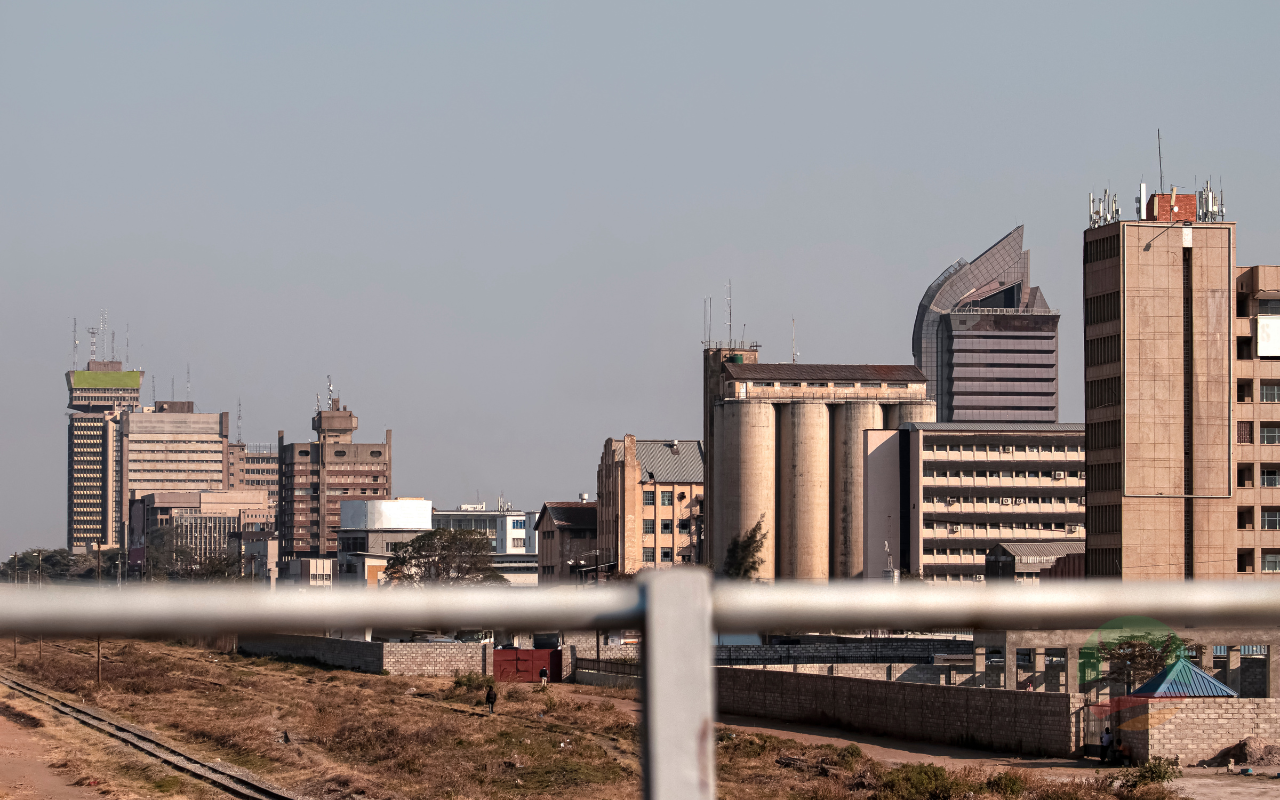
Photo: anurag upadhyayPexelsPexels License
LUSAKA, 6 AUGUST 2026—Updated 6 Aug 2026
LUSAKA — The Bank of Zambia has cut the statutory reserve ratio on kwacha deposits to 21% from 26%, a change that allows commercial banks to lend an extra K5 of every K100 they hold.
The reduction took effect on 3 August 2026, eight working days before Zambians vote in the 13 August general election. Governor Denny Kalyalya announced the five-percentage-point cut at the 98th Zambia Agricultural and Commercial Show in Lusaka. The stated aim is to push liquidity into the banking system and widen the pool of money available for lending to households and businesses.
What the statutory reserve ratio does
The statutory reserve ratio is the share of customer deposits a commercial bank must park at the central bank instead of lending out. It is a quantity tool rather than a price tool: where the policy rate changes what money costs, the reserve ratio changes how much of it a bank is allowed to put to work. Raising the ratio drains money from the system. Lowering it releases money back.
That makes the reserve ratio one of the Bank of Zambia's blunter instruments, and one of its fastest. A policy-rate decision reaches borrowers slowly, through the pricing decisions of individual banks. A reserve-ratio cut changes the size of every bank's lendable balance sheet on the day it takes effect.
The arithmetic on K100 of kwacha deposits — Before: a bank held K26 at the Bank of Zambia and could lend K74. • After: the same bank holds K21 and can lend K79. • Net effect: about K5 in every K100 of kwacha deposits moves from idle reserves into lendable funds. • Unchanged: deposits held in foreign currency, where the ratio stays at 36%.
Why the Bank moved now
The cut lands in the most benign inflation conditions Zambia has seen in years. Data from the Zambia Statistics Agency shows annual inflation held at 6.5% in July 2026, unchanged from June and the lowest reading since February 2018. That keeps price growth inside the Bank of Zambia's 6% to 8% target band for a sustained stretch, which gives the central bank room to loosen without immediately risking its own target.
The composition of that inflation matters as much as the headline. Annual food inflation eased to 6.4% in July from 6.7% in June, according to the statistics agency, while non-food inflation rose to 6.7% from 6.0%. Statistician General Sheila Mudenda attributed the steady headline rate mainly to price movements in food items including breakfast mealie meal and roller meal.
A firmer kwacha has done much of the work. The currency has appreciated sharply against the United States dollar across 2026, which lowers the landed cost of the fuel, fertiliser and machinery Zambia imports and feeds through to shop prices with a lag. Kwacha News set out what the wider economic picture means for voters in its report on the economy taking centre stage before the 13 August vote.
What the decision leaves unchanged
The Bank of Zambia held the reserve ratio on foreign-currency deposits at 36%. The split is deliberate. Releasing kwacha liquidity supports domestic lending; releasing dollar liquidity would work against the reserve buffer and the exchange-rate stability that has driven the disinflation of the past year. The central bank framed the decision to leave foreign-currency deposits alone as a step to safeguard external stability and the prudent management of foreign exchange reserves.
A reserve-ratio cut is also not a rate cut. The move enlarges what banks can lend without directly instructing them to charge less for it. Whether borrowers see cheaper credit depends on how competitively banks price the freed-up funds, and Zambian lending spreads have historically been slow to narrow.
The statutory reserve ratio on foreign currency deposits is maintained at 36 percent to safeguard external stability and ensure the prudent management of foreign exchange reserves.
— Bank of Zambia, circular on the adjustment to the kwacha and foreign currency statutory reserve ratio, August 2026 — <a href="https://www.boz.zm/">bankofzambia.zm</a>
The Bank of Zambia paired the cut with a change to how compliance is measured. Commercial banks now meet the reserve requirement on a weekly average basis rather than having their positions assessed strictly day by day. That gives treasurers room to run below the threshold on one day and above it on another, which eases the scramble for overnight funds that daily testing can create and should show up in calmer interbank rates.
Background
The Bank of Zambia has spent 2026 reshaping the plumbing of the financial system rather than only its price signals. The central bank phased out cheques in June 2026, pushing settlement onto electronic rails. It has also defended its handling of a failed lender in court, as Kwacha News reported when Investrust staff sued over the bank's liquidation.
Reserve requirements have moved in both directions in recent years. The Bank of Zambia raised the ratio during earlier bouts of currency pressure, when the priority was draining kwacha liquidity to slow a slide in the exchange rate. The August 2026 cut reverses part of that tightening, and reads as a judgement that the currency and price picture is now stable enough to trade some of that insurance for credit growth. This report is part of Kwacha News's markets coverage.
What to watch
Three things will show whether the cut works as intended: whether commercial lending rates move at the next round of bank repricing, whether private-sector credit growth picks up in the Bank of Zambia's monetary statistics, and what the Monetary Policy Committee does with the policy rate at its next scheduled meeting. A reserve-ratio cut that shows up only in bank profitability, and not in lending, would tell its own story.
Frequently Asked Questions
What is the statutory reserve ratio?
In short, the statutory reserve ratio is the proportion of customer deposits a commercial bank must hold at the central bank rather than lend. Simply put, it sets the size of the lending pool. The key is that it works on quantity, not price: it changes how much a bank can lend, while the policy rate changes what that lending costs.
How does the cut to 21% work in practice?
The answer is arithmetic. Data from the Bank of Zambia shows the ratio falling from 26% to 21% on kwacha deposits, so a bank holding K100 of kwacha deposits now keeps K21 at the central bank instead of K26. That releases about K5 in every K100 into lendable funds across the banking system, with effect from 3 August 2026.
Why is the foreign-currency ratio different?
The ratio on foreign-currency deposits stays at 36%. In other words, the Bank of Zambia loosened the kwacha side while holding the dollar side firm. The evidence for the split is the policy goal: freeing dollar liquidity would cut against the reserve buffer and the exchange-rate stability that analysis of the past year credits with bringing inflation down.
Who does the decision affect?
The decision reaches commercial banks first, then any borrower who depends on them: small businesses seeking working capital, farmers financing inputs, households taking personal loans. According to the central bank's stated rationale, the point of the cut is to widen credit to households and businesses. The key is that banks decide how much of the benefit reaches borrowers.
What are the real risks of cutting the reserve ratio?
Analysis of reserve-requirement changes shows three durable risks. Extra kwacha liquidity can leak into the foreign-exchange market and press on the currency. Faster credit growth can revive inflation once the base effects that produced the 6.5% reading fade. And the loosening can be absorbed into bank margins instead of passed to borrowers. Each risk is a question of transmission, not of intent.
Sources
Bank of Zambia: statutory reserve ratio announcement and monetary policy materials, and the remarks of Governor Denny Kalyalya at the 98th Zambia Agricultural and Commercial Show, Lusaka, August 2026. Zambia Statistics Agency: The Monthly bulletin series, July 2026 consumer price index, and Zambia Statistics Agency for the annual, food and non-food inflation readings quoted above.
More on Markets

Zambia's inflation holds at 6.5% for a second month
Annual inflation stayed at 6.5% in July 2026, ZamStats said. Food inflation eased to 6.4% while non-food rose to 6.7%, holding the headline rate inside the central bank's target band.

El Niño returns: a double risk to Zambia’s copper and maize
A powerful El Niño is forming in the Pacific: good for the copper price Zambia’s budget leans on, bad for the rains its maize and hydropower depend on. It points both ways at once.
The Kwacha News briefing.
Business, markets and the Zambian economy — in your inbox.

