

Zambia's inflation holds at 6.5% for a second month
Food inflation eased to 6.4% while non-food climbed to 6.7%, leaving the headline rate flat at its lowest level since February 2018.
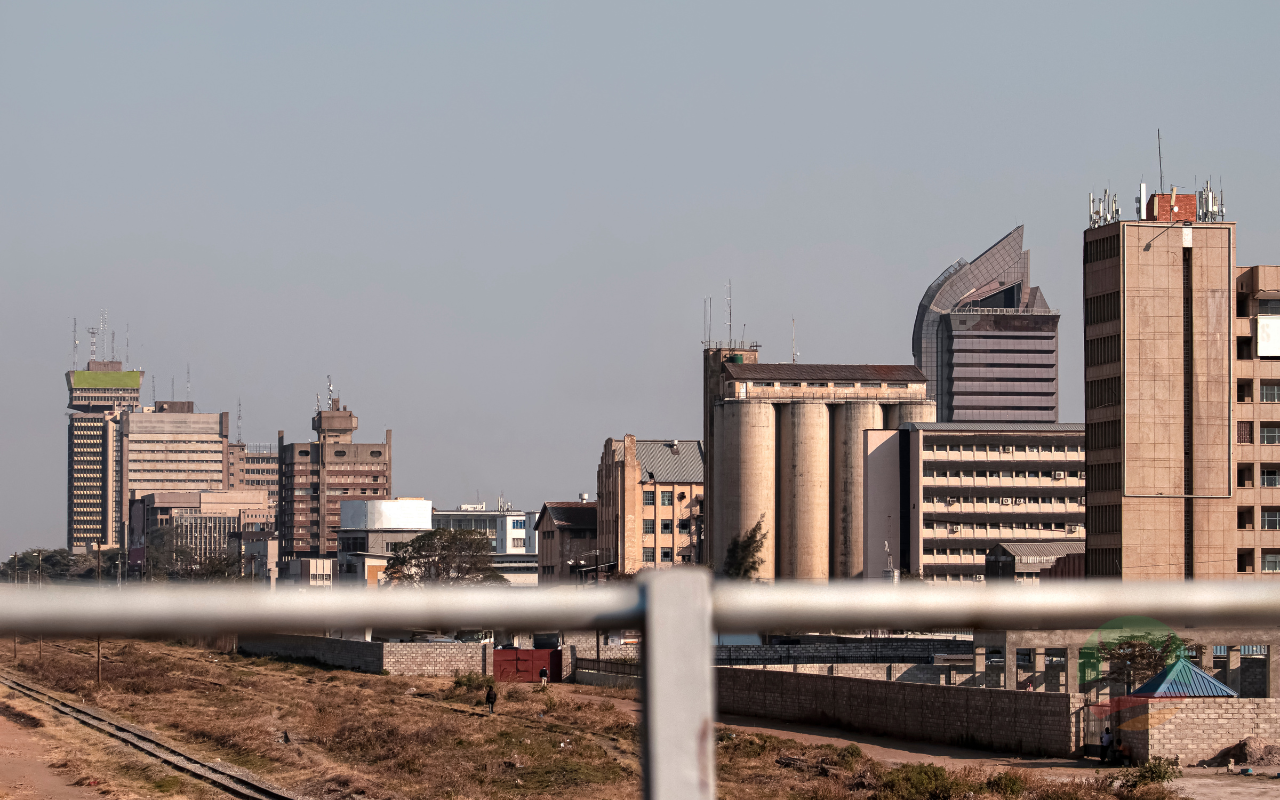
Photo: FitNish MediaUnsplashUnsplash License
LUSAKA, 6 AUGUST 2026—Updated 6 Aug 2026
LUSAKA — Zambia's annual inflation rate is 6.5% for July 2026, unchanged from June and the lowest level the country has recorded since February 2018.
The reading keeps price growth inside the Bank of Zambia's 6% to 8% target band for a sustained run, and it is the number that gave the central bank room to loosen policy days later. For households, a flat headline masks a shift underneath it: the cost of food is rising more slowly, while the cost of nearly everything else is rising faster.
What the bulletin says
Annual inflation for July 2026 was recorded at 6.5 percent same as that recorded in June 2026. This means that on average, prices of goods and services increased by 6.5 percent between July 2025 and July 2026.
— Zambia Statistics Agency, <a href="https://www.zamstats.gov.zm/wp-content/uploads/2026/07/Vol-280-of-2026-The-Monthly-July-final-1.pdf">The Monthly, Volume 280, July 2026</a>
The disinflation of the past year has been steep. The Zambia Statistics Agency series shows annual inflation at 13.0% in July 2025, falling through 11.2% in December, 9.4% in January 2026 and 7.5% in February before flattening out in the mid-sixes. The index is calculated on a 2009 base.
Zambia's annual inflation rate, month by month — Jul 2025: 13.0%. • Oct 2025: 11.9%. • Dec 2025: 11.2%. • Jan 2026: 9.4%. • Feb 2026: 7.5%. • Apr 2026: 6.8%. • May 2026: 6.6%. • Jun 2026: 6.5%. • Jul 2026: 6.5%.
Food eases, everything else does not
Annual food inflation was 6.4% in July 2026, down from 6.7% in June. The statistics agency attributed the movement to prices of cereals — breakfast mealie meal, roller mealie meal, maize grain, local rice and plain household wheat flour — along with fresh milk, sugar, cooking oil and eggs. Mealie meal is the single most politically sensitive price in Zambia, and it is easing eight days before a general election.
Non-food inflation moved the other way, rising to 6.7% in July from 6.0% in June. The agency attributed that to furniture and furnishings, including coffee tables, wardrobes and dining suites, alongside paraffin, charcoal and the purchase of vehicles. Paraffin and charcoal are household energy for most Zambians, which makes that component a cost-of-living signal rather than a discretionary one.
The composition matters for what comes next. Food carries a division weight of 534.85 out of 1,000 in the Zambian basket, so a slowing food series does most of the work in holding the headline down. When food stops falling, the rising non-food series has nothing offsetting it.
Where the 6.5% comes from
Of the overall 6.5% rate, food and non-alcoholic beverages contributed 3.9 percentage points and the non-food group 2.6 percentage points, according to the bulletin. Within the non-food share, housing, water, electricity, gas and other fuels contributed the most at 0.9 percentage points. Clothing and footwear, furnishings and household equipment, and transport each added 0.4 percentage points, with the remainder of the non-food group accounting for 0.5 percentage points.
The food contribution has itself narrowed sharply: it stood at 9.1 percentage points in July 2025 and 4.1 in June 2026 before easing to 3.9 in July. That single line explains most of the fall from 13.0% to 6.5% across twelve months.
Background
A firmer kwacha has carried much of the disinflation, lowering the landed cost of imported fuel, fertiliser and machinery. The Bank of Zambia responded to the settled picture by cutting the statutory reserve ratio on kwacha deposits to 21% from 26%, freeing roughly K5 in every K100 of deposits for lending.
The measurement itself is due to change. Kwacha News reported that ZamStats plans to rebase GDP to a 2023 base year, part of a wider modernisation of Zambian official statistics that will eventually reach the price indices too. Weather remains the largest single risk to the food series, as set out in the analysis of El Niño as a double risk to copper and maize. This report is part of Kwacha News's markets coverage.
What to watch
Watch the non-food series, which has now risen for two consecutive months and is the component with momentum. Watch the exchange rate, because the disinflation has leaned on it. And watch the rains, because the food weight of 534.85 means a poor season would push the headline rate up faster than any policy decision could pull it down.
Frequently Asked Questions
What is Zambia's inflation rate now?
In short, annual inflation is 6.5% for July 2026, unchanged from June. Simply put, a basket of goods and services that cost K100 in July 2025 costs about K106.50 now. The key is that the rate sits inside the Bank of Zambia's 6% to 8% target band, which is where the central bank wants it.
How is the rate measured?
The answer is the consumer price index, compiled monthly by the Zambia Statistics Agency on a 2009 base. Data from the agency's July bulletin shows the basket divided into main groups by weight, with food and non-alcoholic beverages carrying 534.85 of 1,000. Research into the contributions shows food supplying 3.9 of the 6.5 percentage points.
Why is food inflation different from non-food inflation?
Because they respond to different forces. Food tracks harvests, the maize crop and the exchange rate on imported inputs. Non-food tracks fuel, energy and durable goods. According to the July bulletin, food eased to 6.4% while non-food rose to 6.7%. In other words, the flat headline is two opposing trends cancelling out.
Who does this rate affect most?
Lower-income households, because food takes more than half the reference basket and a larger share of a poor household's actual spending. Evidence from the contribution table shows housing, water, electricity, gas and other fuels adding 0.9 percentage points, which reaches every household that buys charcoal or paraffin. The key is that a national average conceals wide differences by income.
What are the real risks to Zambia's disinflation?
Analysis of the July data reveals three durable risks. A weaker kwacha would reverse the import-price gains that drove the fall from 13.0%. A poor rainy season would lift the heavily weighted food group. And the freshly loosened reserve ratio could add credit-driven demand before the base effects have finished working through. Each risk is a question of timing, not direction.
Sources
Zambia Statistics Agency: The Monthly, Volume 280, July 2026, and the monthly bulletin series. Bank of Zambia: Bank of Zambia for the inflation target band and the statutory reserve ratio decision of August 2026.
More on Markets

Bank of Zambia cuts kwacha reserve ratio to 21%
The Bank of Zambia cut the statutory reserve ratio on kwacha deposits to 21% from 26%, freeing about K5 in every K100 of deposits for lending. The ratio on foreign-currency deposits stays at 36%.

El Niño returns: a double risk to Zambia’s copper and maize
A powerful El Niño is forming in the Pacific: good for the copper price Zambia’s budget leans on, bad for the rains its maize and hydropower depend on. It points both ways at once.

IEA warns of a copper deficit — the windfall Zambia banks on
The IEA says the world faces a copper shortfall of about 25% by 2035. For Zambia, Africa’s second-biggest producer chasing a million tonnes, the deficit is the windfall its recovery is banking on.
The Kwacha News briefing.
Business, markets and the Zambian economy — in your inbox.