

Kwacha breaks below K18 as copper and harvest drive gains
The currency's strongest run since 2023 is backed by record reserves, a near-5-million-tonne maize harvest, and a Eurobond buyback that cut contingent debt
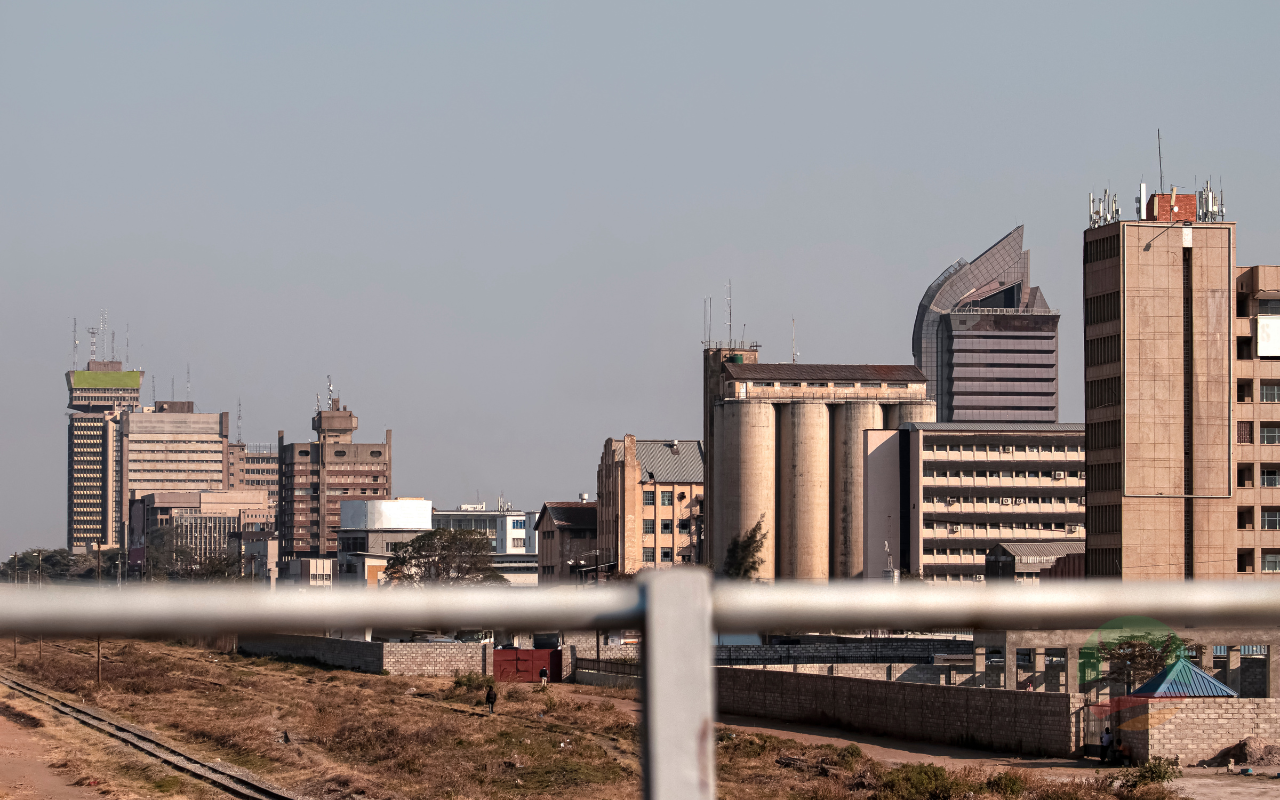
Photo: Sunday Abegunde / UnsplashUnsplashUnsplash License
LUSAKA, 4 JUNE 2026—Updated 8 Jul 2026
LUSAKA — The Zambian kwacha is trading at K17.77 per US dollar, its strongest level since 2023, as copper earnings, a bumper harvest, and debt reform drive the currency's sharpest rally in years.
The kwacha has gained 5.6% against the dollar over the past month and 32% over the past year, recovering from an all-time low of K29.10 in March 2025. The rally has cut import costs for businesses, eased pressure on fuel prices, and given the Bank of Zambia (BoZ) room to rebuild reserves to a record $6.4 billion — enough to cover 4.4 months of imports.
Copper anchor
Copper, which accounts for more than 70% of Zambia's export earnings, is trading near $6.46 per pound on the London Metal Exchange — close to its all-time high of $6.67 reached earlier in June. The metal has gained 8.7% in the past month and 31.8% year-on-year, driven by tightening global supply after Chile reported its weakest April output in 23 years. Bank of Zambia Governor Denny Kalyalya attributed the kwacha's performance to "strong inflows from the mining sector and foreign financial institutions," noting a 14.5% year-to-date appreciation at the May monetary policy briefing.
Take advantage of the strong performance of the kwacha and invest in productive sectors.
— Noel Nkoma, economist and NRFA Board Chairman
Harvest and debt reform
The 2025/2026 farming season is producing a maize harvest of nearly 4.9 million metric tonnes — a 27.8% increase over the previous season. The bumper crop reduces food-import demand and eases pressure on the current account. Chief Agricultural Advisor Coillard Hamusimbi forecast mealie-meal price declines by July as farmers bring grain to market, though former Agriculture Minister Bob Sichinga cautioned against exporting surplus given poor 2026/27 rainfall forecasts and roughly 30% post-harvest storage losses.
The government's $1.36 billion Eurobond buyback — financed in part by a $600 million concessional loan from the African Development Bank (AfDB) — has removed a contingent liability that risked pushing the coupon on Zambia's 2053 notes from 0.5% to 7.5%. As Kwacha News explained in its explainer on the Eurobond buyback, the step-up clause was a live fiscal risk that markets were pricing in. The buyback, completed at 78 cents on the dollar, was oversubscribed and coincided with a measurable kwacha gain during the pricing window.
Kwacha rally at a glance: • K17.77/$ on 4 June 2026 — strongest since 2023 • 5.6% gain in the past month; 32% in the past year • Copper at $6.46/lb, near all-time high of $6.67 • Foreign-exchange reserves: record $6.4 billion (4.4 months import cover) • Maize harvest: 4.9 million MT (+27.8% YoY) • Eurobond buyback: $1.36bn at 78 cents on the dollar
Background
Zambia defaulted on its Eurobonds in November 2020 and spent three years negotiating a debt restructuring under the G20 Common Framework. The restructuring, completed in 2024, replaced the original bonds with new step-up amortising notes due 2053. The buyback is the first post-restructuring liability-management exercise by an African sovereign and has been watched closely by investors in Ghana and Ethiopia, which are pursuing their own restructurings. World Bank data shows Zambia's external debt has fallen from 133.4% of GDP in 2023 to an estimated 93.4% in 2025, with roughly 94% of external obligations now covered by restructuring agreements.
The kwacha's recovery from K29.10 to K17.77 in 15 months is among the sharpest currency rebounds on the continent. The EU carbon border tax on copper remains a medium-term risk to export competitiveness, but for now the price rally and supply tightness are overriding that concern.
What to watch
The Bank of Zambia's next monetary policy committee meeting will test whether the central bank cuts the policy rate to capitalise on the stronger currency and lower inflation. Copper supply data from Chile and the Democratic Republic of Congo in Q3 will determine whether the price rally holds. The election on 13 August introduces political risk: markets will be watching for signs of fiscal loosening in the final weeks of the campaign. Follow Kwacha News's markets coverage for the next rate decision and copper-price updates.
Sources
Bank of Zambia: official exchange rate data. Trading Economics: ZMW/USD historical rates. Trading Economics: LME copper price. African Development Bank: concessional lending programme.
Frequently Asked Questions
These are the questions readers have been asking about the kwacha's rally. Short answers follow, drawn from Bank of Zambia data and commodity-market analysis.
What is driving the kwacha's appreciation?
In short, the kwacha's rally is driven by three reinforcing factors: copper export earnings near record highs, a bumper maize harvest that reduces food-import demand, and the Eurobond buyback that removed a contingent fiscal liability. The key is that all three are landing simultaneously, amplifying confidence in the currency.
How does copper affect the kwacha?
Copper accounts for more than 70% of Zambia's export earnings. Research from the Bank of Zambia shows that a sustained rise in copper prices increases dollar inflows from mining companies, strengthening demand for the kwacha on the foreign-exchange market. Data from the London Metal Exchange reveals copper has gained 31.8% year-on-year.
Why is the Eurobond buyback significant?
The $1.36 billion buyback removed a step-up clause that could have pushed Zambia's coupon from 0.5% to 7.5% if debt thresholds were breached. According to bond-market analysis, the buyback at 78 cents on the dollar saved the Treasury from a potential annual interest bill exceeding $100 million. The answer is that eliminating this contingent liability reduced the risk premium on Zambian assets.
Who benefits from a stronger kwacha?
A stronger kwacha benefits importers, consumers buying fuel and imported goods, and the government servicing dollar-denominated debt. In other words, the change reaches every household that buys mealie meal, cooking oil, or fuel — all of which have import-price components. Exporters, however, earn fewer kwacha per dollar of copper sold, which squeezes margins if production costs do not fall in tandem.
What are the real risks to the rally?
Analysis of Zambia's currency history demonstrates three durable risks: a copper-price reversal if global demand weakens, election-related fiscal loosening that erodes investor confidence, and a poor 2026/27 agricultural season that reverses the food-import savings. Evidence from the 2015–2016 kwacha collapse shows that commodity-driven rallies can unwind quickly when external conditions shift.
More on Markets

Zambia's inflation holds at 6.5% for a second month
Annual inflation stayed at 6.5% in July 2026, ZamStats said. Food inflation eased to 6.4% while non-food rose to 6.7%, holding the headline rate inside the central bank's target band.

Bank of Zambia cuts kwacha reserve ratio to 21%
The Bank of Zambia cut the statutory reserve ratio on kwacha deposits to 21% from 26%, freeing about K5 in every K100 of deposits for lending. The ratio on foreign-currency deposits stays at 36%.
The Kwacha News briefing.
Business, markets and the Zambian economy — in your inbox.

