

Zambian government bonds lead the world at 39% return
Zambia’s local-currency debt has handed investors the best returns of any government bond market this year, lifted by a firming kwacha — a turnaround that lowers the state’s borrowing costs but leans heavily on the currency holding its gains.
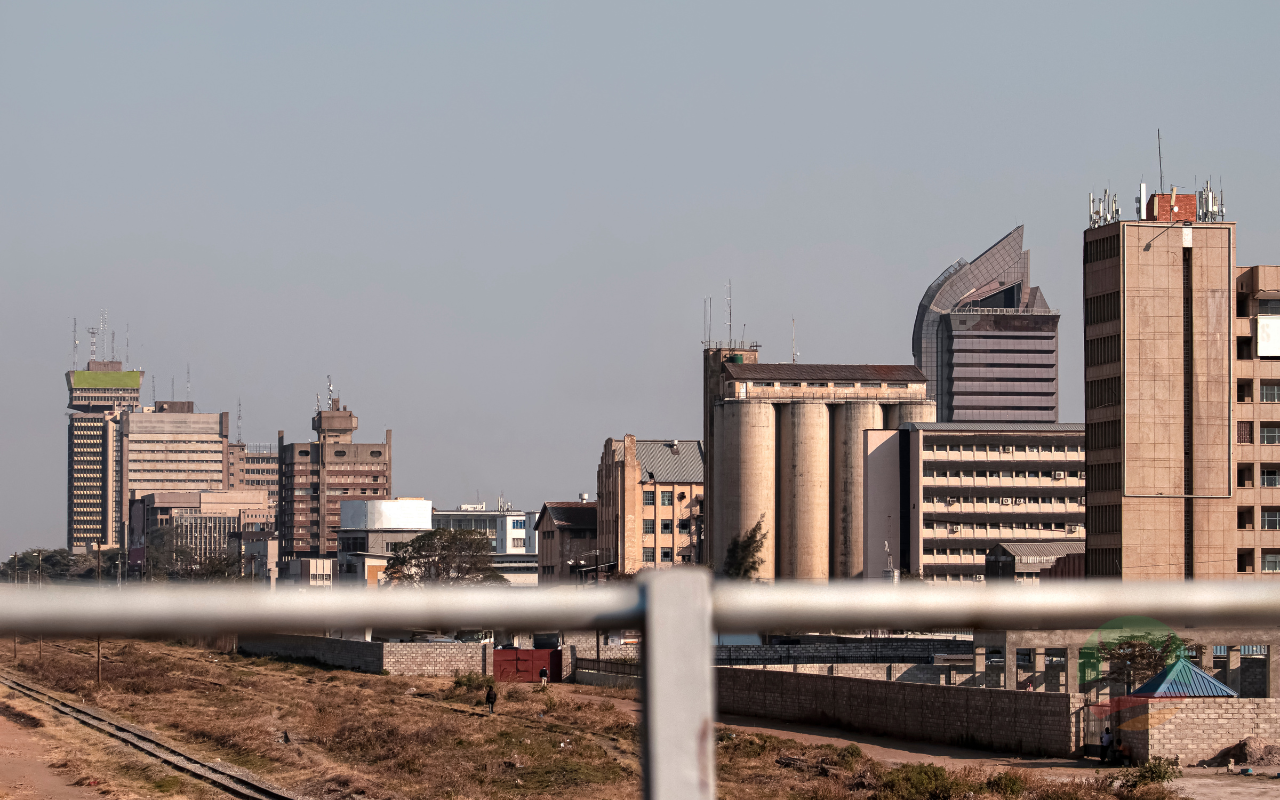
Photo: ChongkianwikidataCC BY-SA 4.0
LUSAKA, 15 JUNE 2026—Updated 8 Jul 2026
LUSAKA — Zambian government debt is the world's best-performing local-currency bond market this year, returning about 39% as the kwacha firms, according to Bloomberg.
The number matters because it marks how far Zambia has travelled from its 2020 default, when the country became the first in Africa to stop paying its debts during the pandemic. Strong demand for kwacha bonds lowers the government's cost of borrowing at home and signals that investors are pricing in a steadier macroeconomic outlook. This is part of Kwacha News's continuing markets coverage.
The Bank of Zambia's secondary-market trade summary for 11 June showed active turnover in government bonds, the day-to-day sign of the demand behind the headline return. The rally has run alongside a stronger currency that has helped pull inflation off its recent highs.
What the numbers show
The roughly 39% total return, measured in dollar terms, combines two things: the interest the bonds pay and the gain a foreign investor makes when the kwacha strengthens against the dollar. When a currency firms, the local-currency coupons and principal are worth more in dollars, and that lifts the headline return well above the coupon alone.
Yields on longer-dated Zambian paper remain high in absolute terms — indicative market levels run into the mid-to-high teens for tenors from two to fifteen years — which is what makes the bonds attractive to yield-hunting investors. The same high yields are the price the government pays to borrow, so a sustained rally that pulls yields down is, over time, a saving for the Treasury.
Zambia has handed investors the world's top local-currency bond returns of about 39% this year as the kwacha firms.
— Bloomberg, <a href="https://www.bloomberg.com/news/articles/2026-06-11/zambia-hands-investors-world-s-top-local-bond-returns-of-39-as-kwacha-firms">11 June 2026</a>
Snapshot: Zambian local-currency government bonds returned about 39% in 2026 to date, the best of any sovereign bond market tracked by Bloomberg. The gain is driven by high coupon yields plus a strengthening kwacha, which lifts dollar-measured returns. Coupon income on GRZ bonds is paid twice a year and taxed at 20% withholding at source. The Bank of Zambia runs the bond programme; its secondary-market summaries track daily turnover.
Why it matters for Zambia
A cheaper cost of borrowing at home gives the government more room. Zambia funds part of its budget through domestic bonds, and every percentage point shaved off the yield it pays is money not spent on interest. That matters for a state still working through a restructured external debt load and trying to protect spending on health, education and farm support.
The rally also reflects the kwacha's recovery, which Kwacha News tracked as the currency strengthened through the K18-per-dollar mark on firmer copper. A stronger kwacha cuts the cost of imported fuel and goods, easing the prices households face, even as it squeezes exporters who earn in dollars.
The flipside is dependence. A return built largely on currency gains can reverse if the kwacha weakens, and foreign holders of local bonds can sell quickly. The Bank of Zambia's tighter stance on credit — it recently moved to rein in risky lending after a rise in worker-loan defaults — is part of the same effort to keep the macroeconomic picture stable enough to hold the gains.
Background — from default to demand
Zambia defaulted on its external debt in November 2020, the first African country to do so during the COVID-19 pandemic. Years of negotiation followed, including an International Monetary Fund programme and a restructuring of bonds owed to foreign creditors. The domestic bond market, denominated in kwacha, sat apart from that external process and has become the testing ground for whether local investors trust the recovery.
Coupon payments on GRZ bonds are made twice a year and are subject to a 20% withholding tax deducted at source, with a small handling fee on each coupon. Those mechanics matter for the after-tax return a Zambian saver actually keeps, which is lower than the eye-catching dollar figure quoted for foreign investors.
What to watch
The first thing to watch is the next bond auction. Auction yields, set by what investors bid, are the clearest read on whether demand is holding or cooling, and they feed straight into the government's borrowing cost.
The second is the kwacha. Because so much of the return is a currency story, the exchange rate against the dollar is the variable that decides whether 2026's gains survive into the second half of the year.
The third is copper. Zambia's currency tracks the price of its main export; a strong copper market underpins the kwacha, and any sharp fall would test the bond rally faster than any domestic policy move.
Frequently Asked Questions
These are the questions readers are asking about Zambia's bond rally. Short answers follow, drawn from market data and the Bank of Zambia's published summaries.
Why are Zambian government bonds returning 39%?
In short, the return combines high coupon yields with a strengthening kwacha. The answer, simply put, is that when the currency firms against the dollar, the local-currency interest and principal are worth more in dollar terms. Bloomberg data shows this made Zambia the world's top local-bond market in 2026 so far.
What is a government bond?
Simply put, a government bond is a loan from investors to the state that pays regular interest and returns the principal at maturity. The answer is that Zambia issues kwacha bonds to fund part of its budget, and the Bank of Zambia runs the programme.
Does the 39% return apply to Zambian savers?
The key is currency and tax. The headline figure is a dollar-measured return that benefits foreign investors from the kwacha's rise; a Zambian saver earns the coupon, less a 20% withholding tax, in kwacha. Evidence from the bond terms shows the after-tax local return is lower than the dollar figure.
How does the bond rally affect the government?
The answer is cheaper borrowing. Strong demand pushes yields down over time, which lowers what the Treasury pays to fund the budget at home. Research on debt costs shows even small yield falls free up money otherwise spent on interest.
What could end the rally?
The answer is a weaker kwacha or a copper-price fall. Because the return leans on the currency, analysis shows a reversal in the exchange rate — often driven by copper — is the main risk to the gains.
Sources
Bloomberg: Zambia hands investors world's top local bond returns of 39% as kwacha firms (11 June 2026). Bank of Zambia: secondary-market trade summaries and bond programme. Kwacha News coverage: the kwacha strengthening past K18 and the Bank of Zambia tightening lending rules.
More on Markets

Zambia's inflation holds at 6.5% for a second month
Annual inflation stayed at 6.5% in July 2026, ZamStats said. Food inflation eased to 6.4% while non-food rose to 6.7%, holding the headline rate inside the central bank's target band.

Bank of Zambia cuts kwacha reserve ratio to 21%
The Bank of Zambia cut the statutory reserve ratio on kwacha deposits to 21% from 26%, freeing about K5 in every K100 of deposits for lending. The ratio on foreign-currency deposits stays at 36%.

El Niño returns: a double risk to Zambia’s copper and maize
A powerful El Niño is forming in the Pacific: good for the copper price Zambia’s budget leans on, bad for the rains its maize and hydropower depend on. It points both ways at once.
The Kwacha News briefing.
Business, markets and the Zambian economy — in your inbox.