

LME copper holds above $13,500 — what it means for Zambia
The benchmark sits near record highs as US tariff-rush inventory and Middle East supply jitters bid up the metal. The kwacha receipt line is the question.
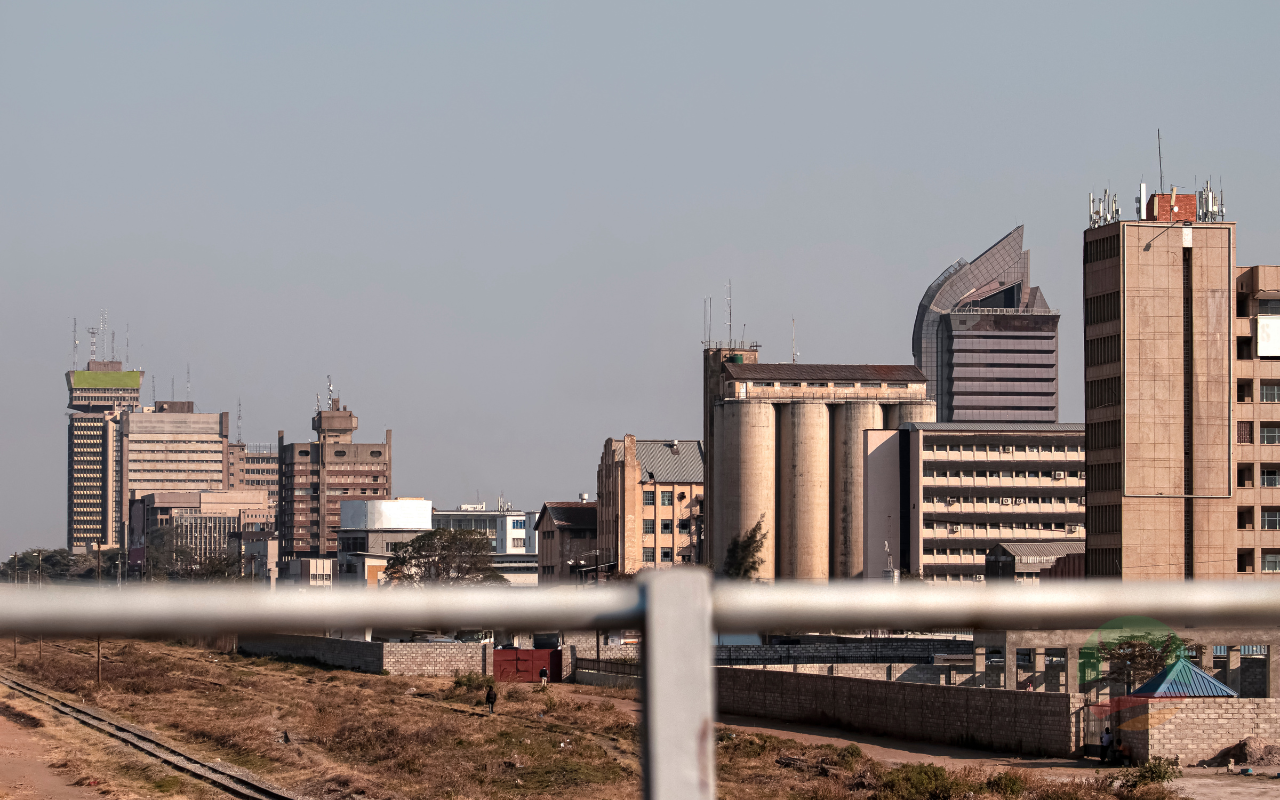
Photo: Kreepin DethwikidataCC BY 3.0
LUSAKA, 28 MAY 2026—Updated 8 Jul 2026
LUSAKA — The London Metal Exchange copper price is holding above $13,500 a tonne this week, after a spot reading of $13,565.69 on Monday, according to LME data.
Copper futures eased to $6.34 per pound on Tuesday, trimming gains from the prior session as elevated uncertainty in the Middle East kept inflation and interest-rate concerns in focus, S&P Global Commodity Insights reported. The benchmark sits near the record above $13,000 the metal hit on US tariff-driven inventory build earlier this month — a level Kwacha News covered when copper first cleared the marker in our 22 May story.
Two structural drivers are pushing the price. Demand expectations linked to AI-related technology stocks — the rally is now into May — feed into the long-running thesis that electrification and data-centre wiring will lift copper consumption for the rest of the decade. Supply-side concerns linked to the Middle East conflict, particularly potential shortages of sulfur used in copper smelting, continue to lend underlying price support, according to S&P Global.
For Zambia, the price story matters operationally. Royalty receipts and corporate-tax inflows scale directly with the LME benchmark, and the Bank of Zambia's reserve position carries a copper component. Kwacha News has tracked the production half of the story in our Q1 2026 output piece — output is down 4.3% but the price is holding, leaving a mixed revenue picture.
Background
Copper price forecasts for 2026 are wider than usual. Third-party predictions span roughly $9,800–$12,500 per tonne for the full-year average, with mid-year peaks above current spot levels. Common themes across analyst reports include constrained mine supply, low LME inventories and ongoing trade-policy uncertainty, balanced against demand risks linked to China and the broader global cycle. Goldman Sachs has flagged that the current rally is "overextended" — though it has also pushed up its full-year forecast multiple times in 2026.
The cost-curve picture is the second piece. Zambian copper sits in the lower-to-middle quartile of the global cost curve at current power tariffs, but power-supply reliability — a known constraint at ZESCO — is the swing factor on average cash costs. Lumwana and Mopani both run hybrid arrangements with the grid; KCM's recapitalisation programme assumes a stable power baseline through to the next dry season.
On the global stage, the price level matters because it interacts with the new US tariff regime. The April-May rush by US importers to bring forward shipments before tariffs land has pulled inventory out of LME warehouses, tightening the prompt market. Analysts at S&P Global have argued the rally is "overextended" — meaning the second half of 2026 may see a downward correction once the tariff-shipping arbitrage closes.
Copper futures slipped below $6.4 per pound on Tuesday, trimming gains from the prior session as elevated uncertainty in the Middle East kept inflation and interest rate concerns in focus.
— S&P Global Commodity Insights, <a href="https://www.spglobal.com/energy/en/news-research/latest-news/metals/010726-period-of-elevated-copper-prices-overextended-analysts">market note, May 2026</a>
Snapshot: LME copper $13,565.69/tonne (26 May spot). Futures $6.34/lb (27 May close). Q1 2026 Zambian output: 208,993 tonnes (-4.27% YoY). Forecast band for 2026 full-year average: $9,800–$12,500. Power, tariffs and the Middle East are the swing variables.
What to watch
The two near-term tests are the LME stocks data — falling stocks have been bullish; a turn higher would soften the rally — and the next Bank of Zambia balance-of-payments print. The BoZ's monthly export-receipt data is the cleanest read on whether the price strength is translating into kwacha-denominated revenue. Analysis from the central bank shows mining receipts running roughly half of total goods exports in recent quarters; data from the LME demonstrates the inventory backdrop remains tight; evidence from the Ministry of Finance reveals the budget arithmetic improves materially when the realised copper price clears the medium-term reference.
On the fiscal side, Treasury's mineral royalty take rises in step with the LME benchmark, even before any volume change. A 10% lift in the realised copper price translates roughly to a low-single-digit percentage-point lift in central-government revenue, all else equal. The IMF programme reference prices assume a more conservative path — meaning current spot levels deliver upside to the fiscal track. Watch the next IMF Article IV update for an explicit revision to the assumed price.
This story is part of Kwacha News's continuing markets coverage of the copper cycle and the kwacha.
Frequently Asked Questions
These are the questions readers have been asking since copper cleared $13,500 a tonne. Short answers follow, drawn from LME pricing data, S&P Global commentary and Bank of Zambia balance-of-payments data.
What is the current LME copper price?
In short, LME copper is trading above $13,500 per tonne, with the 26 May spot reading at $13,565.69 and the 27 May futures close at $6.34 per pound. The answer, simply put, is that the benchmark sits near the multi-year highs reached earlier in May. The key is that prices have held the elevated band even as supply-side concerns evolve.
Why is copper trading at multi-year highs?
Research from S&P Global shows two structural drivers. Data from analyst notes reveals the first is the AI-and-electrification demand thesis underpinning long-term consumption forecasts; the second is the inventory pull from US importers rushing to bring forward shipments ahead of new tariffs. Evidence from LME warehouse data demonstrates inventories have tightened — a classic prompt-market signal.
How does the price affect Zambian government revenue?
According to the Treasury's fiscal framework, mineral royalties and mining-sector corporate taxes scale with both volumes and the LME price. Analysis demonstrates that a 10% lift in the realised price translates, roughly, to a low-single-digit percentage-point improvement in central-government revenue at constant volumes. In other words, current spot levels carry meaningful upside to the budget.
What are the downside risks?
Evidence from S&P Global analysts reveals the current rally is "overextended". Research from Goldman Sachs has flagged the same risk. The answer is that the rally rests heavily on the US tariff-driven inventory pull — once the shipping arbitrage closes, the spot premium could compress quickly. China demand and global growth are the longer-cycle swing factors.
Where can investors track the data?
The most reliable real-time sources are the LME copper page for prices and inventory, S&P Global Commodity Insights for analyst commentary, and the Bank of Zambia's monthly balance-of-payments releases for the Zambian receipt side. In other words, watch LME spot and stocks, S&P notes and BoZ monthlies — those three sources, together, cover the cycle for Zambian observers.
How can the Bank of Zambia hedge currency exposure?
Research from BoZ disclosures demonstrates the central bank's reserve composition is diversified, but copper-receipt volatility still feeds the kwacha. Data from past cycles reveals the central bank has used FX market interventions and reserve accumulation during price strength to build buffers. The answer is that current price levels are the moment to build reserves — not to spend them.
Sources
London Metal Exchange: LME copper page. S&P Global Commodity Insights: "Period of elevated copper prices overextended". Goldman Sachs: "Copper prices forecast to decline somewhat from record highs". Trading Economics: copper futures chart. Bank of Zambia: balance-of-payments data.
More on Markets

Zambia's inflation holds at 6.5% for a second month
Annual inflation stayed at 6.5% in July 2026, ZamStats said. Food inflation eased to 6.4% while non-food rose to 6.7%, holding the headline rate inside the central bank's target band.

Bank of Zambia cuts kwacha reserve ratio to 21%
The Bank of Zambia cut the statutory reserve ratio on kwacha deposits to 21% from 26%, freeing about K5 in every K100 of deposits for lending. The ratio on foreign-currency deposits stays at 36%.

El Niño returns: a double risk to Zambia’s copper and maize
A powerful El Niño is forming in the Pacific: good for the copper price Zambia’s budget leans on, bad for the rains its maize and hydropower depend on. It points both ways at once.
The Kwacha News briefing.
Business, markets and the Zambian economy — in your inbox.