

El Niño returns: a double risk to Zambia’s copper and maize
A powerful El Niño is forming in the Pacific — good for the copper price, bad for the rains. For Zambia it points both ways at once.
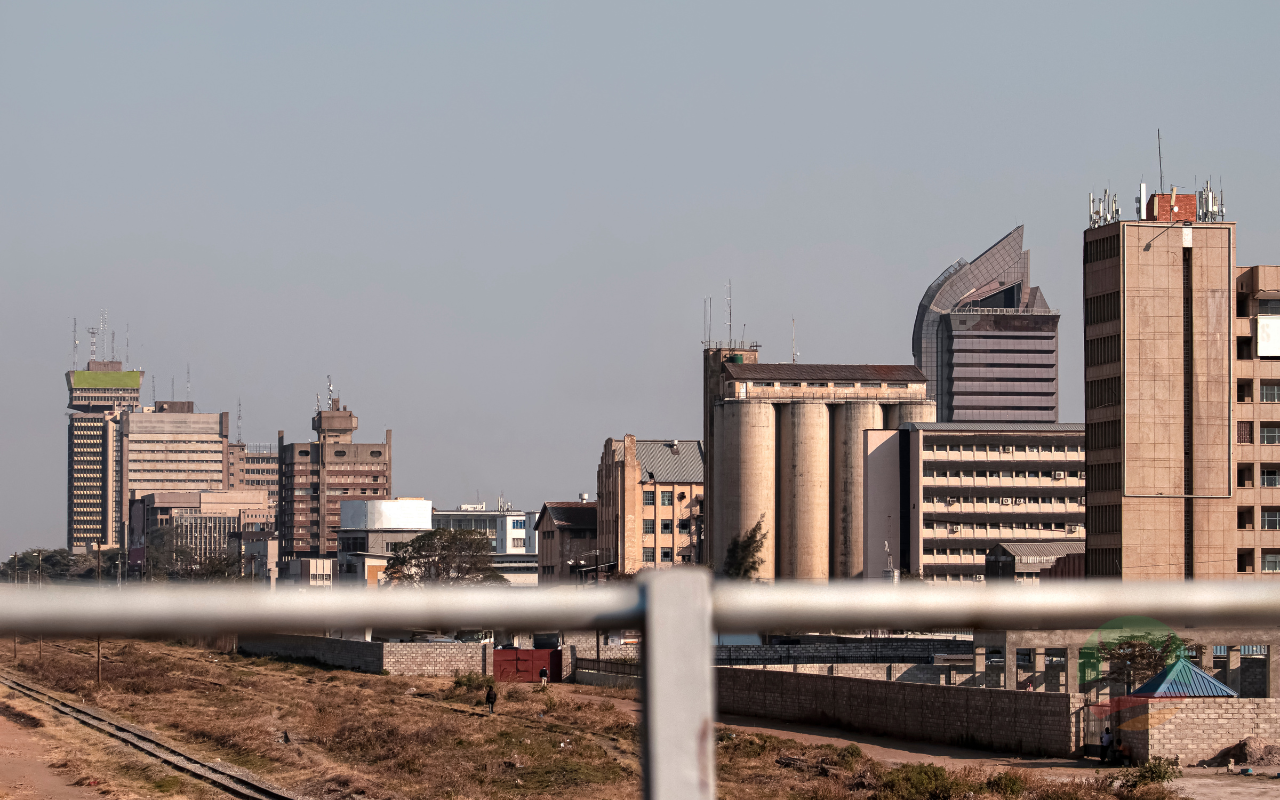
Photo: Mwesigwa JoelPexelsPexels License
LUSAKA, 22 JULY 2026—Updated 22 Jul 2026
Analysis
LUSAKA — A powerful El Niño taking shape in the Pacific is a double-edged risk for Zambia, threatening a repeat of the 2024 drought even as it helps lift the copper price the budget leans on.
The read here: the same weather pattern points in two directions for Zambia at once. In commodity markets it tends to push prices up, which flatters an economy built on copper exports. On Zambian farms and dams it tends to mean too little rain — and the country has just lived through what that looks like.
What the forecast says
The United States National Oceanic and Atmospheric Administration (NOAA) has issued an El Niño advisory, putting the chance the event persists into early 2027 at about 97%, and the chance it strengthens into a “very strong” event — sea-surface temperatures more than 2°C above average — at roughly 63%. Equatorial Pacific waters are already well above normal, and NOAA’s modelling points to a peak near the top of the strongest events on record.
Markets have started to reprice. Cocoa and coffee futures jumped sharply in July as traders priced in weather risk, and agricultural commodities broadly firmed, according to Reuters and Daily Maverick. For a metal exporter like Zambia, the more important channel is the one running the other way: tight supply and risk premia have kept copper near record highs, a story Kwacha News sets out in its analysis of the copper deficit Zambia is banking on.
There is about a 97% chance El Niño continues into early 2027, and a 63% chance it becomes very strong.
— NOAA Climate Prediction Center El Niño advisory, via <a href="https://www.dailymaverick.co.za/article/2026-07-22-commodity-markets-at-boiling-point-how-unprecedented-el-nino-threatens-agriculture-food-security/">Daily Maverick, 22 July 2026</a>
What a Zambian drought looked like last time
In the 2024 drought — Zambia’s last strong dry spell — up to half the maize crop was lost, Lake Kariba’s live storage fell to about 8% by August 2024, ZESCO began shutting its Kariba hydropower units on 14 September 2024, and load-shedding climbed to as much as 21 hours a day by early 2025.
Why it matters for Zambia
Zambians do not need a model to know what a strong El Niño can do. The 2024 drought wiped out up to half the maize crop, the country’s staple. Lake Kariba’s live storage fell to about 8% by August 2024, forcing ZESCO to begin shutting its hydropower units from 14 September, and load-shedding climbed to as much as 21 hours a day by early 2025. The government’s scramble to add solar power — including this month’s Chisamba plant commissioning — is a direct answer to that crisis.
What this means: the copper upside is real but passive — Zambia banks it by selling metal it already mines. The drought downside is active and expensive, hitting food prices, farm incomes and the hydropower that still supplies much of the grid. The two do not cancel out. A higher copper price does not feed a household whose maize failed, and it does not refill Kariba.
There is one buffer this time. South Africa harvested a record maize crop of about 17.3 million tonnes in 2026, comfortably above its own needs, which could ease regional supply if Zambian output falls again. The question is whether that surplus is still there to draw on by the time a failed rainy season bites.
Background
El Niño is a periodic warming of the central and eastern Pacific that reshapes weather worldwide. For southern Africa it typically means below-normal rainfall, which is why the pattern is watched so closely in a region that depends on rain-fed farming and hydropower. Research from NOAA and the World Meteorological Organization shows each strong event carries its own signature, but the direction for Zambia — drier — has been consistent.
What to watch
The decisive window is the rainy season that starts in October. If the rains fail, the pressure lands first on maize and then on the grid; if they hold, the copper tailwind is pure upside. For readers, the signals to watch are NOAA’s monthly updates, Lake Kariba’s water levels and the price of a bag of mealie-meal. This story is part of Kwacha News’s markets coverage.
Frequently Asked Questions
These are the questions readers have been asking as forecasters warn of a strong El Niño. Short answers follow, drawn from NOAA data and market reporting.
What is El Niño?
In short, El Niño is a periodic warming of the Pacific Ocean that changes weather patterns around the world. The answer, simply put, is that for southern Africa it usually means less rain than normal. The key for Zambia is that it hits farming and hydropower at the same time.
How does El Niño affect Zambia?
Research from NOAA shows El Niño tends to bring drier conditions to southern Africa. Data from the 2024 drought reveals what that can mean: up to half the maize crop lost and Kariba storage down to about 8%. According to that record, the result was severe load-shedding across the country.
Why is El Niño a double risk for the economy?
The answer is that it pushes the copper price up while threatening the rains Zambia depends on. Evidence from commodity markets shows scarcity fears lift metals and softs alike. In other words, the same event can help the budget and hurt the harvest at once.
Who is most exposed in Zambia?
Simply put, farmers, households and the power system. According to the 2024 experience, maize growers and mealie-meal buyers felt it first, then every ZESCO customer through load-shedding. The data shows hydropower-dependent industry was hit hard too.
What are the risks for the coming season?
Analysis of the forecast reveals two durable risks. The first is food: research shows a failed rainy season threatens the maize crop again. The second is power: evidence from 2024 shows low dam levels force load-shedding. Each risk is structural for a rain-dependent economy, not a passing worry.
Sources
NOAA Climate Prediction Center: ENSO diagnostic discussion and El Niño advisory. Daily Maverick: commodity markets at boiling point, 22 July 2026. Context on Zambia’s 2024 hydropower crisis via bne IntelliNews.
More on Markets

Zambia's inflation holds at 6.5% for a second month
Annual inflation stayed at 6.5% in July 2026, ZamStats said. Food inflation eased to 6.4% while non-food rose to 6.7%, holding the headline rate inside the central bank's target band.

Bank of Zambia cuts kwacha reserve ratio to 21%
The Bank of Zambia cut the statutory reserve ratio on kwacha deposits to 21% from 26%, freeing about K5 in every K100 of deposits for lending. The ratio on foreign-currency deposits stays at 36%.

IEA warns of a copper deficit — the windfall Zambia banks on
The IEA says the world faces a copper shortfall of about 25% by 2035. For Zambia, Africa’s second-biggest producer chasing a million tonnes, the deficit is the windfall its recovery is banking on.
The Kwacha News briefing.
Business, markets and the Zambian economy — in your inbox.