

Zambia signs $1.8 billion in new power deals
A run of financing deals — for 900 megawatts of new generation, solar-plus-storage and the railway that carries Zambia’s copper — shows the government borrowing again to fix the power shortage behind its load-shedding.
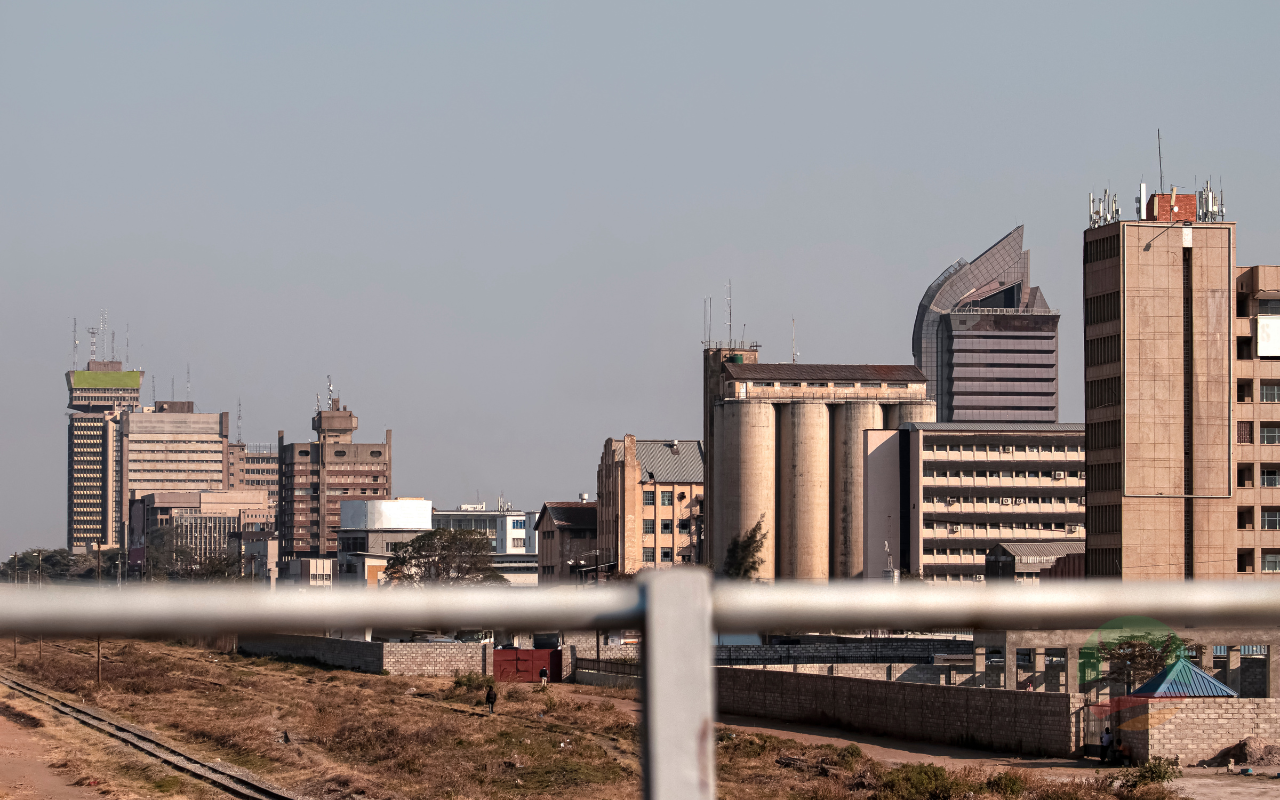
Photo: Nel RanokoUnsplashUnsplash License
LUSAKA, 20 JUNE 2026—Updated 20 Jun 2026
LUSAKA — Zambia is signing a wave of new power deals, with financing worth about $1.8 billion agreed since April to add 900 megawatts of generation and ease the load-shedding that has throttled its economy.
The borrowing matters because power, not policy, is the binding constraint on Zambia’s recovery. Factories, mines and households have lost hours of electricity a day to a shortfall driven by drought and ageing plant, and new generation is the only durable fix. This story is part of Kwacha News’s continuing business and economy coverage.
The headline agreement is a $1.5 billion deal signed on 23 April with China Machinery Engineering Corporation (CMEC) for 900 megawatts of new generation, according to figures reported by Ecofin Agency. It sits alongside a €290 million Globeleq solar-plus-storage project at Leopards Hill, agreed on 11 April.
What is being financed
The deals are part of more than $2.2 billion in fresh financing Zambia has signed since December, as the government pivots from a four-year debt restructuring back to raising money. The package spans generation, transport and the route that carries the copper paying for it all.
On 17 December, the United States Development Finance Corporation (DFC) lent $553 million for the Lobito Atlantic Railway, paired with a $200 million contribution from the Development Bank of Southern Africa (DBSA). Kwacha News reported when the Lobito railway reopened, reviving Zambia’s copper export route — the same corridor the new loan is meant to upgrade.
No one strategic partner is to be treated preferentially to others.
— Foreign Minister Mulambo Haimbe, on Zambia’s financing strategy, <a href="https://www.ecofinagency.com/news/0705-55350-zambia-quits-default-era-by-restarting-borrowing-engine">via Ecofin Agency</a>
Snapshot: Zambia has signed about $1.8 billion in power-related deals since April — a $1.5 billion CMEC agreement for 900 megawatts of generation and a €290 million Globeleq solar-plus-storage project. These sit within more than $2.2 billion in fresh financing since December, including a $553 million US DFC loan and a $200 million DBSA contribution for the Lobito railway. The borrowing restart follows the close of a four-year debt restructuring.
Why it matters
Load-shedding is the most visible drag on the economy. When the grid cannot meet demand, mines curb output, manufacturers run diesel generators at a loss and small businesses simply close for the hours the power is off. Adding 900 megawatts of generation is aimed squarely at that gap.
The financing also tests Zambia’s creditworthiness after default. That the government can attract a US development lender, a South African development bank and a Chinese contractor in the same year signals that creditors are willing to lend again. Kwacha News reported how Zambia is turning debt savings into a grid overhaul plan and tied a $600 million AfDB loan to a 15-year grid rebuild.
For ordinary Zambians, the test is whether the megawatts arrive. Generation deals take years to build out, and the relief households want — fewer hours in the dark — depends on construction keeping pace with the financing. The money is the first step, not the last.
Background — from default to borrowing
Zambia defaulted on its sovereign debt in late 2020 and spent four years restructuring. The conclusion of those talks, helped by a copper rebound, has let the Treasury raise new finance rather than just reschedule old debt. Kwacha News reported that Zambia’s external debt service fell $90.9 million in 2025 as the restructuring took hold.
The copper that underwrites the borrowing is itself expanding. Output was roughly 820,000 tonnes in 2024, and the government is targeting 3 million tonnes a year by 2031 — a target that depends on exactly the reliable power these deals are meant to provide. Mining and power are now two halves of one plan.
The spread of partners is deliberate. Borrowing from the United States, South Africa and China in a single year keeps Zambia from leaning on any one creditor, a balance the government has framed as treating no strategic partner preferentially. Roughly $3.3 billion of commercial debt, including China Development Bank loans, was still under negotiation in early 2026.
What to watch
The first thing to watch is construction. Financing announcements are easy; commissioning 900 megawatts on schedule is the real measure of whether load-shedding eases.
The second is the debt mix. Each new loan adds to a stock Zambia has only just finished restructuring, so the terms — and how much is concessional — matter as much as the headline totals.
The third is the copper-power loop. Higher output needs more power, and more power needs the financing now being signed; whether the two keep pace will shape how fast the economy can grow.
Frequently Asked Questions
These are the questions readers have been asking about Zambia’s power-financing push. Short answers follow, drawn from the deal figures and official statements.
What is the power-financing push?
In short, it is a run of deals to build new electricity generation. The answer, simply put, is that Zambia has signed about $1.8 billion since April, led by a $1.5 billion CMEC agreement for 900 megawatts. The key is ending the load-shedding that limits the economy.
How does the borrowing fit Zambia’s debt position?
The answer is that it follows a four-year restructuring. Data cited by Ecofin Agency shows more than $2.2 billion in fresh financing since December, as the government shifts from rescheduling old debt to raising new money for power and transport.
Why is new generation needed?
Simply put, demand outstrips supply, and drought has cut hydropower. Evidence from the economy shows load-shedding forces mines to curb output and businesses to close, so the 900 megawatts are aimed at closing that gap.
What are the main deals?
According to the figures, the main deals are a $1.5 billion CMEC generation agreement and a €290 million Globeleq solar-plus-storage project, alongside a $553 million US DFC loan and a $200 million DBSA contribution for the Lobito railway.
Which partners are funding Zambia’s power?
Research of the financing shows a deliberate spread: the United States through the DFC, South Africa through the DBSA, and China through CMEC — a balance the government says avoids favouring any single creditor.
Sources
Ecofin Agency: Zambia quits the default era by restarting its borrowing engine. Kwacha News coverage: the Lobito copper route, the grid overhaul plan, the AfDB debt-for-energy loan and falling external debt service.
More on Business & Economy

Guinea bans raw gold exports as Africa pushes local refining
Guinea has banned raw gold exports and now demands local refining, African Business reported. For Zambia, whose copper still leaves largely unprocessed, the move sharpens a long-running question about where the value is captured.

Zambia cuts fuel prices again as shop prices stay high
Zambia's Energy Regulation Board cut pump prices for a third straight month in August 2026, but transport fares and food prices remain high and non-food inflation is rising.
The Kwacha News briefing.
Business, markets and the Zambian economy — in your inbox.

