

Zambia ties $600m AfDB loan to 15-year grid rebuild
The loan behind the Eurobond buyback comes with a condition: a 15-year programme to rebuild a grid worn down by drought and load-shedding.
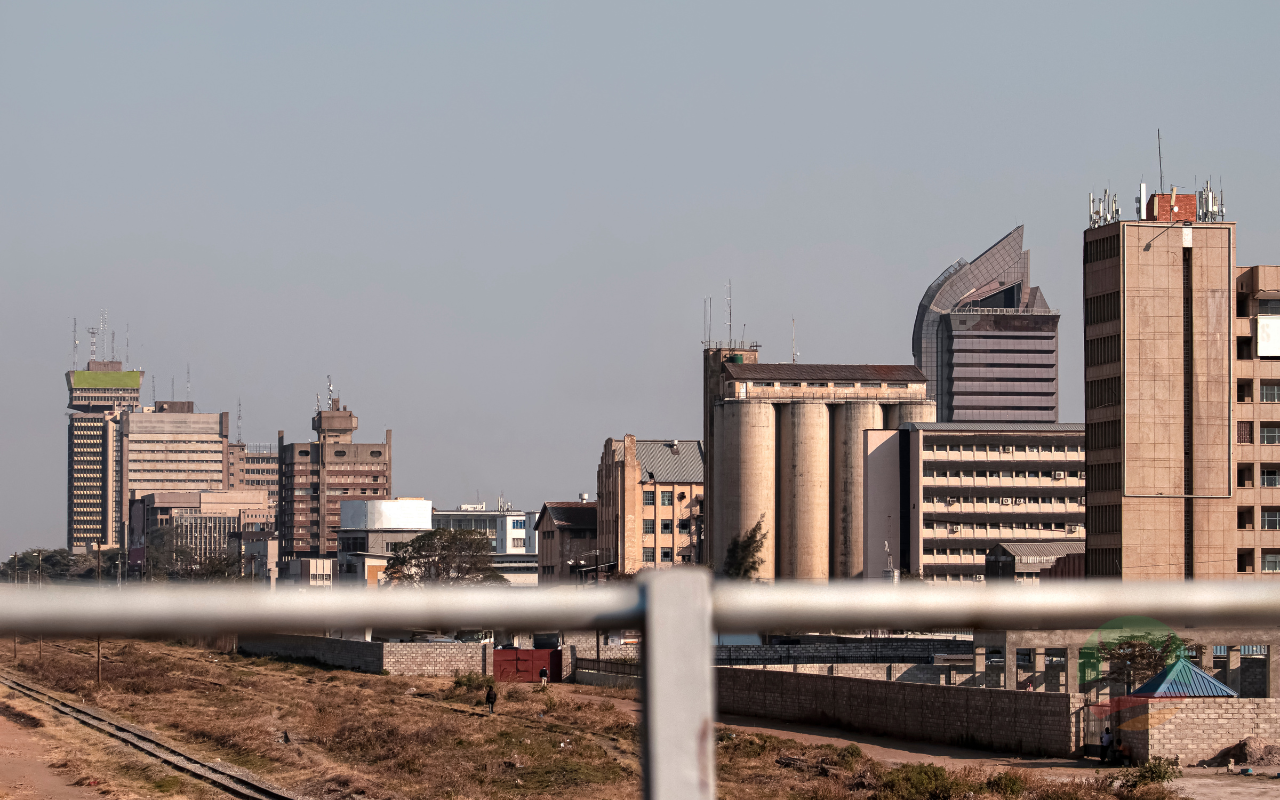
Photo: Nel RanokoUnsplashUnsplash License
LUSAKA, 1 JUNE 2026—Updated 8 Jul 2026
LUSAKA — The $600 million loan financing Zambia's Eurobond buyback is also an energy bet: the African Development Bank tied it to a 15-year programme to rebuild a grid worn down by years of load-shedding.
The condition turns a debt-management deal into a power-sector overhaul. Cheap electricity is the bottleneck on everything Zambia wants to do — mine more copper, run more factories, attract data centres — so the strings attached to the loan may matter more in the long run than the bond it helped retire.
The Office of the Secretary to the Treasury said the buyback is funded by a $600 million concessional loan from the African Development Bank, topped up by government resources, and that the bank's board approved the operation. Kwacha News set out the bond side of the deal in its report on the $1.36bn 2053 Eurobond buyback.
The energy side is the National Grid Resilience Program. The Ministry of Finance said it will invest in the electricity distribution network over 15 years to make power more reliable and affordable, and that it will be coordinated by GreenCo Power Services and run by a newly created entity with a private-sector-led board sitting alongside the government.
Central to the initiative is a transformative 15-year national Grid Resilience Program to invest in the national electricity distribution network and address access to reliable and affordable electricity.
— Ministry of Finance and National Planning, via <a href="https://www.cnbcafrica.com/2026/zambia-seeks-to-buy-back-2053-bond-partly-with-600-million-afdb-loan">CNBC Africa</a>
Why the grid is the real prize
Zambia's power problem is structural. The country leans heavily on hydropower, above all the Kariba dam, and a run of poor rains has forced ZESCO into rolling load-shedding that has shuttered production and pushed businesses onto expensive diesel generators. The grid itself — the wires, substations and transformers that carry power to homes and firms — has been starved of investment for years.
Distribution losses, where electricity is generated but never billed, drain the system further. A programme aimed squarely at the distribution network, rather than only at new generation, targets that weak link. It also fits a wider scramble for energy investment that Kwacha News tracks across its Business & Economy coverage, from solar to regional interconnectors.
The energy deal in brief — $600m: the African Development Bank concessional loan. 15 years: the length of the National Grid Resilience Program. GreenCo Power Services: the coordinator. A new entity: implements it, with a private-sector-led board. The target: a reliable, affordable grid after years of load-shedding.
A model worth watching
Tying concessional finance to a reform programme, and handing delivery to a private-sector-led vehicle rather than a line ministry, is a deliberate design. It is meant to insulate the work from the budget cycle and political turnover, and to bring in private capital and discipline. GreenCo, which already trades power across the region, gives the structure a commercial spine. Whether that delivery model holds through to 2041 is the open question.
Background
The African Development Bank has been one of Zambia's most active development partners through its debt crisis, backing economic governance and renewable-energy projects. Kwacha News reported on its deepening role from the bank's 2026 annual meetings in Brazzaville. Pairing balance-sheet relief with a sectoral reform is a sharper version of that engagement.
What to watch
The markers are concrete: the legal set-up of the new implementing entity, the first tranche of distribution-network spending, and whether load-shedding hours actually fall over the next two dry seasons. If reliable power follows, the loan will have bought Zambia far more than a retired bond.
Frequently Asked Questions
These are the questions readers have asked about the energy side of the deal. Short answers follow, drawn from Ministry of Finance and African Development Bank disclosures.
What is the debt-for-energy swap?
In short, it is a $600 million African Development Bank loan that helps retire a Eurobond while requiring Zambia to invest in its electricity grid. The answer, simply put, is debt relief tied to an energy reform.
How does the Grid Resilience Program work?
The data shows it is a 15-year plan to invest in the distribution network. According to the Ministry of Finance, GreenCo Power Services coordinates it and a new private-sector-led entity delivers it.
Why is the loan tied to the grid?
The key is that the African Development Bank wants the relief to fund reform, not just refinancing. Evidence from Zambia's load-shedding shows the distribution network is the binding constraint on growth.
Who is implementing the programme?
In other words, a newly created entity with a private-sector-led board, working with the government and coordinated by GreenCo Power Services. Research on such vehicles shows the aim is to insulate delivery from the budget cycle.
What are the risks to the plan?
Analysis of long-horizon reforms shows the risks are political turnover, financing gaps and weak execution over 15 years. The answer is that delivery, not design, will decide whether load-shedding ends.
Sources
CNBC Africa: Zambia seeks to buy back 2053 bond partly with $600 million AfDB loan. African Development Bank: Zambia country overview. Ecofin Agency: Zambia's energy investment drive.
More on Business & Economy

Guinea bans raw gold exports as Africa pushes local refining
Guinea has banned raw gold exports and now demands local refining, African Business reported. For Zambia, whose copper still leaves largely unprocessed, the move sharpens a long-running question about where the value is captured.

Zambia cuts fuel prices again as shop prices stay high
Zambia's Energy Regulation Board cut pump prices for a third straight month in August 2026, but transport fares and food prices remain high and non-food inflation is rising.

Zambia's trade surplus narrows to K4.2bn as imports jump
Zambia recorded a K4.2 billion trade surplus in June 2026, down from K7.0 billion in May, as imports rose 10.2% and exports fell 1.6%, ZamStats said.
The Kwacha News briefing.
Business, markets and the Zambian economy — in your inbox.