

Zambia external debt service fell $90.9m in 2025
The Bank of Zambia’s 2025 annual report shows the cash cost of servicing foreign debt dropped to $575.1m, driven by lower payments on restructured Eurobonds — but the debt stock kept rising.
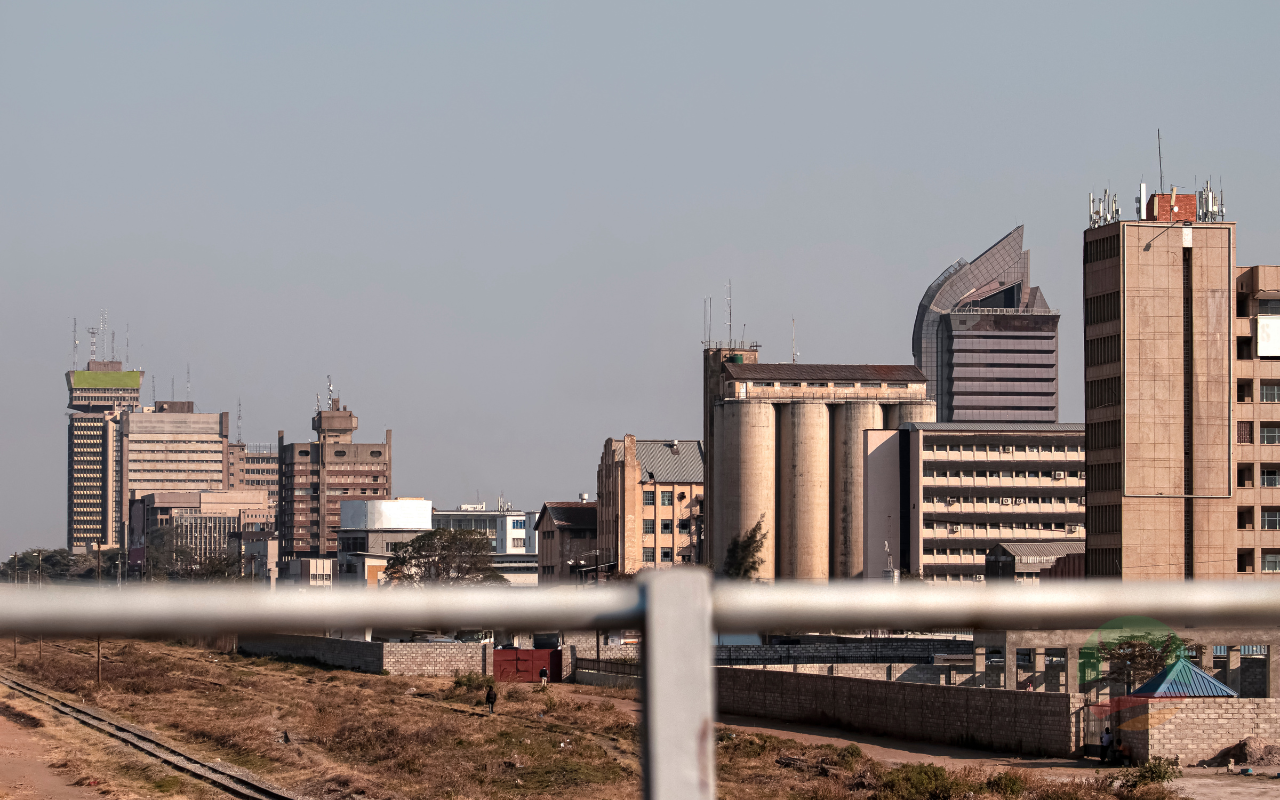
Photo: ChongkianwikidataCC BY-SA 4.0
LUSAKA, 18 JUNE 2026—Updated 20 Jun 2026
LUSAKA — Zambia’s external debt service is down $90.9m in 2025, to $575.1m, as the cost of servicing restructured Eurobonds fell, the Bank of Zambia’s annual report shows.
The figure marks the first full year of the country’s post-restructuring repayment profile, and it gives the Treasury modest breathing room after years of strained foreign-currency outflows. The relief is real in cash terms. The balance sheet behind it, though, tells a more complicated story: Zambia’s external debt stock kept climbing even as the annual bill to service it fell. This sits at the centre of Zambia’s business and economy recovery heading into the second half of 2026.
What the numbers show
External debt service fell to $575.1m in 2025 from $666.0m the year before, a drop of $90.9m, according to the Bank of Zambia’s 2025 annual report. The 2025 bill broke down into $292.1m of principal repayment, $275.2m of interest and $7.86m of charges.
The central bank attributed the decline largely to lower debt service on the restructured Eurobonds. Servicing on those bonds fell to roughly $240m in 2025 from about $339m in 2024, the year payments resumed after the 2024 restructuring. Eurobonds still accounted for the largest single share of the bill, at 41.7%.
Key numbers: External debt service fell to $575.1m in 2025 from $666.0m in 2024 — a $90.9m drop. The 2025 bill was $292.1m principal, $275.2m interest and $7.86m charges. Eurobond servicing fell to about $240m from $339m and made up 41.7% of the total. Bilateral repayments resumed at $102.1m, the first since the October 2020 standstill. Public external debt stock rose to $17.51bn; the debt-to-GDP ratio eased to 60.9% from 66.4%.
Why the bill fell
The drop is the direct result of the debt restructuring Zambia completed over the past two years. The country stopped servicing its Eurobonds and entered a standstill in late 2020, becoming the first African sovereign to default in the pandemic era, and then spent three years negotiating relief. A March 2024 agreement restructured $3.89bn of Eurobonds into two new instruments and settled in June 2024.
That deal stretched maturities and cut coupons, which lowered the recurring cash cost of the bonds. The 2025 bill captures the first clean year of those softer terms. Kwacha News has set out how the government turned the savings from that exercise into investment in its report on the Grid Resilience Programme funded by debt savings.
There was an offsetting pressure. Bilateral repayments to official creditors resumed in 2025 at $102.1m, the first such payments since the October 2020 standstill, as the deal struck with the Official Creditor Committee moved into its repayment phase. Multilateral service, mainly to the World Bank Group, also rose modestly.
The catch: a bigger debt stock
Lower debt service does not mean Zambia owes less. Public and publicly guaranteed external debt rose to $17.51bn at the end of December 2025, up 4.2% on the year, as multilateral disbursements and capitalised interest on restructured loans added to the pile. Central government held 92.2% of that total.
The headline ratio still improved. Public external debt fell to 60.9% of GDP in 2025 from 66.4% in 2024 — but the improvement came from a larger economy rather than a smaller debt. The data shows a country managing the cash flow of its obligations, not shrinking them. That nuance separates real relief from the harder work of bringing the stock down.
What it means for households and the kwacha
Every dollar not spent servicing foreign debt is a dollar that does not have to be bought with kwacha on the foreign-exchange market or pulled from reserves. Lower hard-currency outflows ease pressure on the exchange rate and support the reserve buffer, the cushion that backs imports of fuel, fertiliser and medicine. Kwacha News reported on the currency’s recent run in its coverage of the kwacha breaking below K18 to the dollar.
The fiscal space matters too. Research by the International Monetary Fund credits Zambia with sustained consolidation and progress on restructuring, the conditions for moving the country from a high to a moderate risk of debt distress. The same analysis warns that prudent borrowing is the precondition for keeping the gains.
Despite external and domestic shocks, Zambia has significantly reduced macroeconomic imbalances, made considerable progress on debt restructuring, and undertaken sustained fiscal consolidation while safeguarding social spending.
— Nigel Clarke, IMF Deputy Managing Director, <a href="https://www.imf.org/en/news/articles/2026/01/27/pr-26024-zambia-imf-executive-board-completes-sixth-review-under-the-extended-credit-facility">statement on completing the sixth ECF review, 27 January 2026</a>
What to watch
The next markers are the remaining bilateral agreements still being signed under the Official Creditor Committee process, and the path of the debt stock as restructured loans capitalise interest. A falling annual bill alongside a rising stock is sustainable only while growth and revenue keep pace. The Treasury’s 2026 budget execution will show whether the consolidation the IMF praised holds.
Frequently Asked Questions
These are the questions readers have been asking since the Bank of Zambia published its 2025 figures. Short answers follow, drawn from the central bank’s annual report and the IMF’s latest review.
What is the size of the fall in debt service?
In short, it fell by $90.9m, to $575.1m from $666.0m in 2024. The answer, simply put, is that the bill dropped mainly because payments on the restructured Eurobonds were lower in their first full year under the new terms.
Why is the debt-service bill lower?
The key is the restructuring. Research in the Bank of Zambia report shows Eurobond servicing fell to about $240m from $339m after the March 2024 deal stretched maturities and cut coupons. Data from the report also shows bilateral repayments resumed at $102.1m, partly offsetting the fall.
Does this mean Zambia owes less money?
In other words, no. Evidence from the report shows the public external debt stock actually rose to $17.51bn, up 4.2%, as new disbursements and capitalised interest added to it. The annual cost of servicing the debt fell; the debt itself did not.
Who is helped when debt service falls?
The answer is that the wider economy benefits: fewer dollars leaving the country to pay foreign creditors means less pressure on the exchange rate and on reserves. According to the central bank, the export-proceeds repatriation rate also rose to 85.6%, which supports reserve building.
What are the risks ahead?
Analysis by the IMF shows Zambia remains at high risk of debt distress, expected to ease to moderate over the medium term only if borrowing stays prudent. The data shows a falling annual bill alongside a rising stock — a balance that holds only while growth and revenue keep pace.
Sources
Bank of Zambia: 2025 Annual Report (external debt section) and public notices. International Monetary Fund: statement on completing the sixth ECF review, 27 January 2026. Ministry of Finance and National Planning: announcement on the Eurobond settlement. World Bank: Zambia debt sustainability analysis. Kwacha News coverage: the Grid Resilience Programme, Zambia bonds’ world-best returns, and the kwacha below K18.
More on Business & Economy

Guinea bans raw gold exports as Africa pushes local refining
Guinea has banned raw gold exports and now demands local refining, African Business reported. For Zambia, whose copper still leaves largely unprocessed, the move sharpens a long-running question about where the value is captured.

Zambia cuts fuel prices again as shop prices stay high
Zambia's Energy Regulation Board cut pump prices for a third straight month in August 2026, but transport fares and food prices remain high and non-food inflation is rising.
The Kwacha News briefing.
Business, markets and the Zambian economy — in your inbox.

