

Lobito railway reopens, reviving Zambia copper route
The Lobito Atlantic Railway has resumed copper shipments after flood repairs — and a planned 800km extension to Chingola could make it Zambia’s fastest route to the sea.
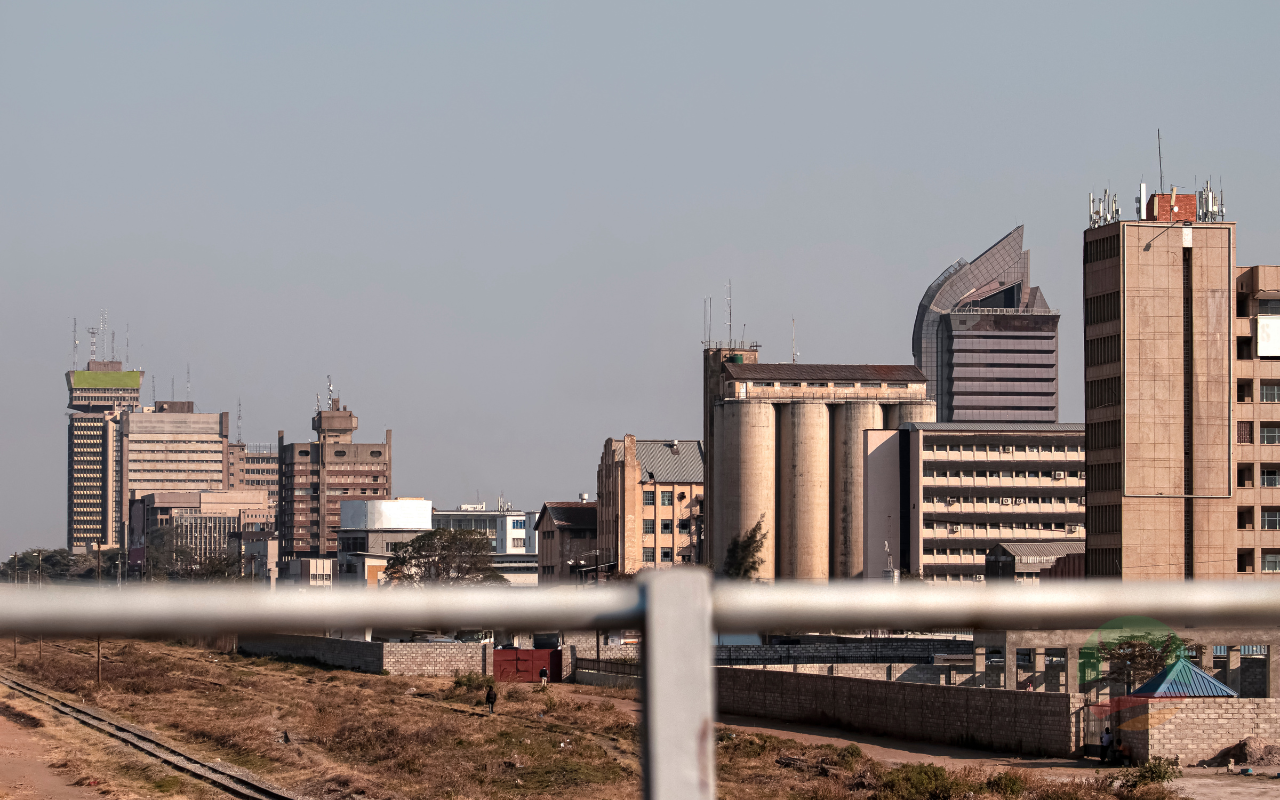
Photo: Luke MadziwaUnsplashUnsplash License
LUSAKA, 16 JUNE 2026—Updated 8 Jul 2026
LOBITO — The Lobito Atlantic Railway is moving copper to the sea again after flood repairs, reviving a route that matters as much to Zambia as to its neighbours.
The reopening matters because the Lobito Corridor is the shortest path from the Copperbelt to an Atlantic port, and a planned extension would run it straight into Zambia. For a country whose copper now mostly travels south through congested South African ports or east to Dar es Salaam, a western outlet is a strategic prize. This is part of Kwacha News's continuing business and economy coverage.
The railway received its first copper shipment from the Democratic Republic of Congo after engineers reopened a flood-damaged section, restoring traffic on the link between the port of Lobito and Huambo that had been closed for about two months, Bloomberg reported.
What the corridor is
The Lobito Corridor is a rail logistics route running from the port of Lobito on Angola's Atlantic coast inland to the mineral zones of southern DR Congo and the northern Zambian Copperbelt. It cuts the journey for copper from a road trip measured in weeks to a rail run of roughly four to eight days.
The route is backed by the United States and the European Union, which see it as a way to diversify how critical minerals leave central Africa. The European Union describes the corridor as a flagship of its Global Gateway investment plan, framing it as a link connecting DR Congo, Zambia and Angola to global markets.
The Lobito Corridor connects the Democratic Republic of the Congo, Zambia and Angola to global markets.
— European Commission, <a href="https://international-partnerships.ec.europa.eu/policies/global-gateway/connecting-democratic-republic-congo-zambia-and-angola-global-markets-through-lobito-corridor_en">Global Gateway, Lobito Corridor</a>
Snapshot: The Lobito Atlantic Railway resumed copper exports in June 2026 after about two months of flood-related closure between Lobito and Huambo. The corridor links Angola's Atlantic port to the Copperbelt in DR Congo and northern Zambia, cutting export times to roughly 4–8 days. A planned 800km extension through Zambia to Chingola would connect more Copperbelt mines and could roughly double the corridor's copper throughput. The operator has committed about $455m for Angolan and $100m for DR Congo upgrades, including new wagons and locomotives.
Why it matters for Zambia
Zambia is landlocked, and the cost and time of getting copper to a port is a permanent tax on its mining economy. The corridor's planned 800-kilometre extension through Zambia to Chingola is the part that changes the map: it would plug Copperbelt mines directly into a western route to the Atlantic rather than the long haul to Durban or Dar es Salaam.
A faster, cheaper export route lifts the value of every tonne of Zambian copper, the metal that anchors the kwacha and the budget. Kwacha News has reported how a firmer copper market has underpinned the currency, from the kwacha strengthening past K18 on firmer copper to the world-beating returns on Zambian government bonds. Cheaper logistics feed the same story.
There is a strategic layer too. With the United States and the European Union financing the corridor, Zambia's export infrastructure becomes part of a wider contest over who moves the world's critical minerals — leverage Lusaka can use, and a dependency it will have to manage.
Background — the flood and the build-out
The two-month closure showed the corridor's fragility: a single flood-damaged stretch between Lobito and Huambo was enough to halt shipments until emergency repairs were done. Resilience, not just reach, is part of what the planned investment is meant to buy.
The Lobito Atlantic Railway has committed roughly $455m for Angolan infrastructure and about $100m for DR Congo upgrades, including some 1,500 additional wagons and 35 new locomotives. The Zambian extension to Chingola is the next phase, and the one that would turn a Congo-and-Angola story into a Zambian one.
What to watch
The first thing to watch is the Zambian extension. Financing, route and timeline for the 800km link to Chingola are the variables that decide when Zambian mines actually start shipping west.
The second is reliability. After a two-month flood closure, exporters will watch whether the corridor can run without interruption before they commit volumes to it.
The third is competition. The Tanzania-Zambia railway to Dar es Salaam and the southern route through South Africa will not stand still; how Lobito's costs and speed compare will decide how much Zambian copper actually switches.
Frequently Asked Questions
These are the questions readers are asking about the Lobito Corridor. Short answers follow, drawn from Bloomberg reporting and European Commission material.
What is the Lobito Corridor?
In short, it is a rail route from Angola's port of Lobito to the Copperbelt in DR Congo and northern Zambia. The answer, simply put, is that it gives central Africa's copper a fast western path to the Atlantic, cutting export times to roughly four to eight days.
Why does the corridor matter for Zambia?
Simply put, it offers a shorter route to the sea for landlocked Zambia. The key is a planned 800km extension to Chingola that would connect Copperbelt mines directly, lowering the cost of exporting the copper that anchors the kwacha.
What caused the recent shutdown?
The answer is flooding. A flood-damaged section between Lobito and Huambo closed the line for about two months until emergency repairs restored it, according to Bloomberg.
Who is funding the Lobito Corridor?
The key backers are the United States and the European Union, which see the route as a way to diversify how critical minerals leave central Africa. Evidence from EU material shows it is a flagship of the Global Gateway investment plan.
How much faster is the rail route?
The answer is dramatic: roughly four to eight days by rail against weeks by road. Data cited for the corridor shows the time saving is the core of its appeal to copper exporters.
Sources
Bloomberg: Angola's Lobito railway receives first Congo copper shipment after flood repairs (15 June 2026). European Commission: Connecting DR Congo, Zambia and Angola to global markets through the Lobito Corridor. Kwacha News coverage: the kwacha and copper and Zambia's world-beating bond returns.
More on Business & Economy

Guinea bans raw gold exports as Africa pushes local refining
Guinea has banned raw gold exports and now demands local refining, African Business reported. For Zambia, whose copper still leaves largely unprocessed, the move sharpens a long-running question about where the value is captured.

Zambia cuts fuel prices again as shop prices stay high
Zambia's Energy Regulation Board cut pump prices for a third straight month in August 2026, but transport fares and food prices remain high and non-food inflation is rising.

Zambia's trade surplus narrows to K4.2bn as imports jump
Zambia recorded a K4.2 billion trade surplus in June 2026, down from K7.0 billion in May, as imports rose 10.2% and exports fell 1.6%, ZamStats said.
The Kwacha News briefing.
Business, markets and the Zambian economy — in your inbox.