

Citi says investor appetite for Zambia returns after default
The lender points to mining, energy and agriculture as Zambia banks a completed IMF programme and an S&P upgrade weeks before the 13 August vote.
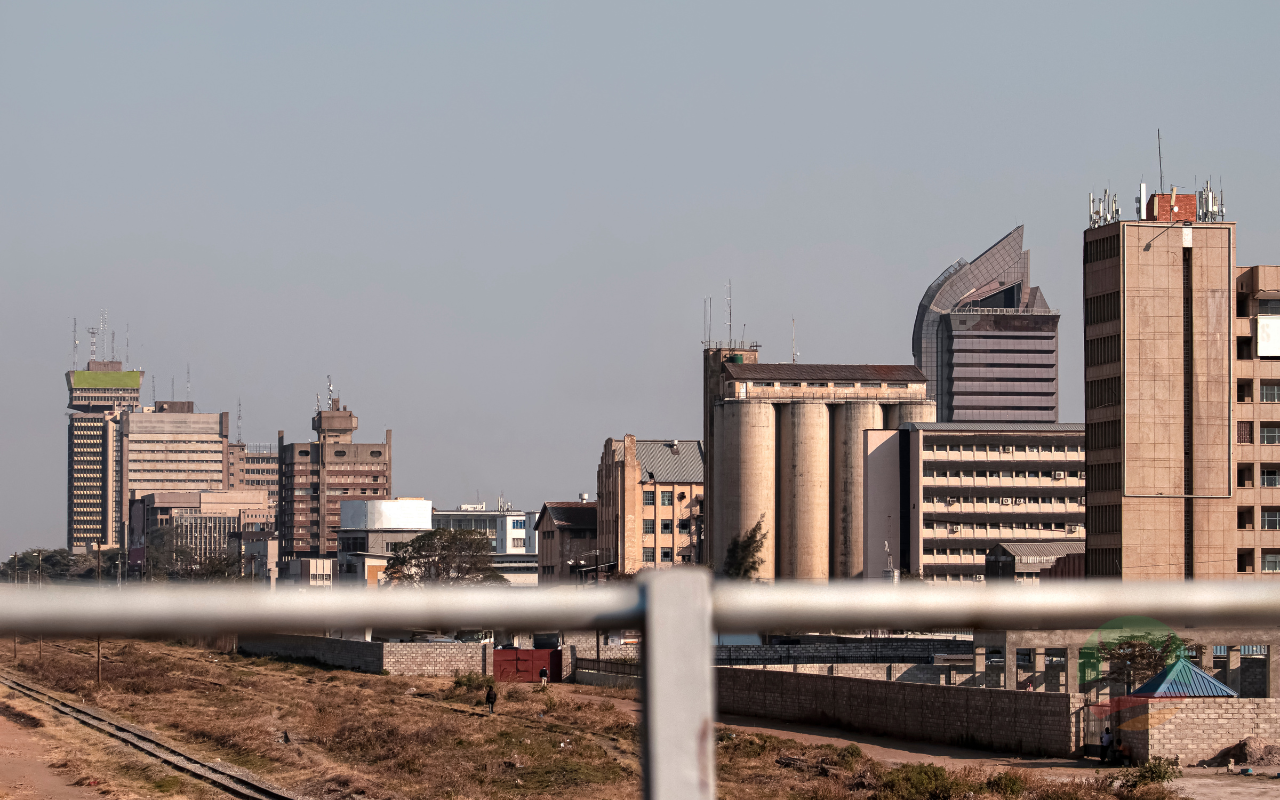
Photo: James WisemanUnsplashUnsplash License
LUSAKA, 2 JULY 2026—Updated 8 Jul 2026
LUSAKA — Global investor appetite for Zambia is back after the country exited default, Citi says, with fresh money chasing copper, energy and farmland.
The judgment from Citi lands weeks before Zambia votes on 13 August 2026. Citi frames Zambia as a market that has moved from crisis to recovery. For a country that stopped paying foreign creditors in 2020, the return of investor demand is the clearest sign yet that Zambia has bought back a place in global markets.
The key facts
Citi says investor appetite for Zambia has returned since the country exited default. Interest is concentrated in mining, energy and agriculture, with copper the anchor. Zambia drew US$1.24bn in foreign direct investment in 2024, its highest since 2015; S&P upgraded Zambia to CCC+/C from selective default in November 2025; and the IMF signed off the sixth and final review of its programme on 28 January 2026.
Lowani Chibesakunda, Citi's Chief Executive and Banking Head for Zambia, told Reuters on 1 July 2026 that appetite had risen as stability returned to the Zambian economy, according to a CNBC Africa report carrying the Reuters interview.
Citi says the interest is concentrated in mining, energy and agriculture, with copper the anchor. Chibesakunda pointed to demand tied to electric vehicles, the clean-energy transition and the power that artificial intelligence (AI) data centres consume. Copper carries the current in all three.
New categories of investor are entering Zambia for the first time, Chibesakunda said. Those include Middle Eastern players in pharmaceuticals and technology, alongside first-time miners drawn by the copper story. The mix marks a widening of the base beyond the mining houses that have long dominated Zambia.
The hard data sits behind the sentiment. Zambia drew US$1.24bn in foreign direct investment in 2024, the highest inflow since 2015. That macro-stability case is set out in Kwacha News's report on how Zambian inflation eased to a multi-year low.
Citi is not a bystander to the turnaround. Citi acted as the sole mandated bank structuring the government's cash tender offer, the transaction the state used to buy back part of Zambia's outstanding debt. The Citi mandate gives the bank a direct read on how much demand sits behind the recovery in Zambia.
We have noted increased interest, especially when we have seen significant strides being made in terms of bringing stability to the Zambian economy.
— Lowani Chibesakunda, Citi Chief Executive and Banking Head for Zambia, <a href="https://www.cnbcafrica.com/2026/investors-have-regained-appetite-for-zambia-after-default-citi-says">Reuters interview, 1 July 2026</a>
Why the Citi read on Zambia matters
A eurobond is a hard-currency government bond sold to international investors, and Zambia's default on those bonds in 2020 shut the country out of global capital markets. Restructuring means renegotiating that debt into new terms so a borrower can pay. The Citi judgment matters because a bank that helped restructure Zambia's debt is now reporting that buyers have come back.
The signal also arrives with an election attached. Zambians go to the polls on 13 August 2026, and investors typically price political risk into a frontier market before a vote. Citi reporting rising appetite ahead of the ballot suggests the recovery narrative is holding even against the electoral calendar in Zambia.
Background
The recovery rests on a rebuilt credit story. S&P upgraded Zambia to CCC+/C from SD, or selective default, with a stable outlook in November 2025, formally removing the country's default status. Foreign direct investment is a rating agency's shorthand for money that buys or builds real assets rather than trading paper, and basis points are hundredths of a percentage point used to measure bond moves.
The 2024 eurobond restructuring did the heavy lifting. About US$3bn of Zambian eurobonds were swapped into two amortising notes, settling on 12 June 2024 with more than 95% participation. The deal wrote off roughly US$840m of principal and freed up about US$2.5bn in cash-flow relief across the IMF programme, the fiscal picture Kwacha News examined in its report on Zambia's debt at 94 percent of GDP.
The IMF programme closed on schedule. The Extended Credit Facility, or ECF — an IMF loan that supports low-income countries running economic reforms — reached its sixth and final review on 28 January 2026, releasing a last disbursement of SDR 138.9m, about US$190m. The 38-month arrangement, approved in August 2022, ran to roughly US$1.7bn, and Zambia met all IMF conditions.
The macro backdrop has steadied alongside the debt work. Inflation eased to 6.5% in June 2026, a multi-year low, down from 11.2% in December 2025, and the kwacha strengthened roughly 16 to 20% this year against the US dollar. The Bank of Zambia (BoZ) cut its policy rate to 13.25% at its 11 to 12 May 2026 meeting. This forms part of Kwacha News's markets coverage.
What to watch
The next test is the 13 August 2026 general election and how Zambian assets trade around the result. Pricing still signals residual risk: the 10-year government-bond yield stood at 16.86% on 9 June 2026, and the longer 2053 eurobond traded near US$74 on 4 June 2026 while the 2033 note sat just below US$99. Growth is the other marker, with the government targeting above 6% for 2026 against the IMF's 5.8% forecast, the local read Kwacha News set out in its Zambian government bond-market update.
Sources
Reporting draws on the CNBC Africa report carrying the Reuters interview with Lowani Chibesakunda, 1 July 2026; the CNBC Africa report on the US$1.36bn 2053 eurobond buyback offer; the IMF statement on completion of the sixth and final ECF review, 27 January 2026; and ZambiaInvest's summary of the IMF Extended Credit Facility figures.
Frequently Asked Questions
Common questions on Citi's read of Zambia, the country's default exit and what the recovery means for investors are answered below, drawing on the sourcing above.
What is Citi saying about investor appetite for Zambia?
In short, Citi says global investor appetite for Zambia has returned since the country exited default. Reuters reporting shows Citi's Zambia chief citing renewed interest in mining, energy and agriculture, with copper as the anchor. Data on the US$1.24bn in foreign direct investment Zambia drew in 2024 backs the shift.
How does Zambia's exit from default change the investment picture?
The key is that removing default status restores Zambia's standing with lenders and rating agencies. Analysis of the recovery shows S&P upgraded Zambia to CCC+/C from selective default in November 2025, evidence that the 2024 eurobond restructuring and the IMF programme reset the country's credit story.
Why is copper central to Zambia's investment case?
The answer is that copper anchors the interest Citi describes. According to Citi, demand is driven by electric vehicles, the clean-energy transition and power for artificial intelligence (AI) data centres. Research into that demand reveals copper as the metal most exposed to the global energy shift, and Zambia is a major producer.
Who is Lowani Chibesakunda?
In other words, Chibesakunda is Citi's Chief Executive and Banking Head for Zambia. Chibesakunda told Reuters on 1 July 2026 that investor interest rose as stability returned to the Zambian economy. Evidence for the read includes Citi's role as the sole mandated bank on the government's cash tender offer.
What are the risks to Zambia's recovery narrative?
Analysis of the recovery shows the story is not risk-free. Zambia holds a general election on 13 August 2026, its 10-year government-bond yield sat at 16.86% on 9 June 2026, and its longer 2053 eurobond still traded near US$74. Data found in the sourcing points to a recovery that is real but incomplete.
More on Markets

Zambia's inflation holds at 6.5% for a second month
Annual inflation stayed at 6.5% in July 2026, ZamStats said. Food inflation eased to 6.4% while non-food rose to 6.7%, holding the headline rate inside the central bank's target band.

Bank of Zambia cuts kwacha reserve ratio to 21%
The Bank of Zambia cut the statutory reserve ratio on kwacha deposits to 21% from 26%, freeing about K5 in every K100 of deposits for lending. The ratio on foreign-currency deposits stays at 36%.
The Kwacha News briefing.
Business, markets and the Zambian economy — in your inbox.

