

Zambia government bonds trade briskly as yields hold high
Hundreds of millions of kwacha in government paper changed hands in the last week of June, with yields in the mid-teens still pricing in the cost of the debt workout.
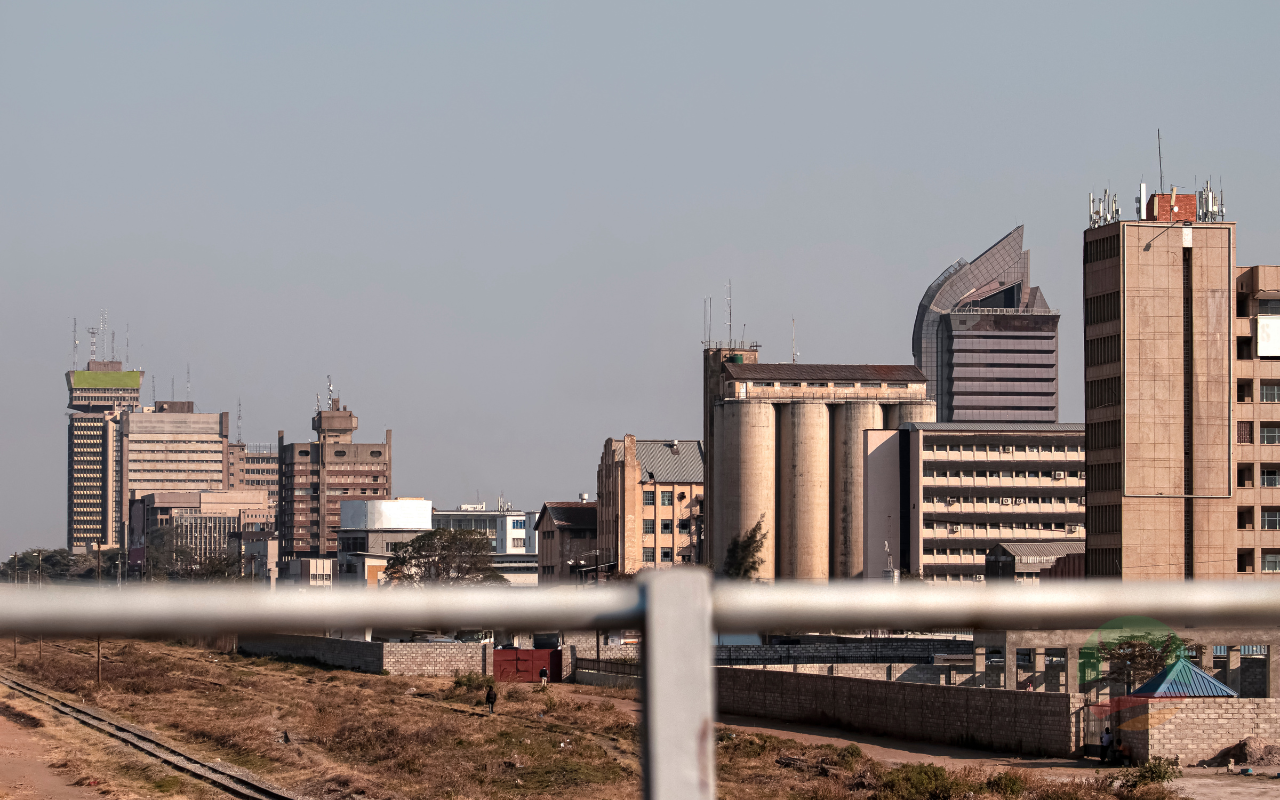
Photo: Romulo QueirozPexelsPexels License
LUSAKA, 30 JUNE 2026—Updated 8 Jul 2026
LUSAKA — Zambia's secondary market for government bonds is holding firm, with K479.3 million in nominal value changing hands on Friday 26 June as yields stayed in the mid-teens.
Bond yields are the price of government borrowing, and they tell a story about trust. The mid-teens rates investors are demanding to hold Zambian paper show a market that still wants a fat cushion against risk, even as the country works through its debt restructuring. A liquid secondary market, where bonds change hands easily after issue, is the sign of a capital market doing its job.
The numbers (26 June 2026): K479.3 million in nominal value and K532.3 million in market value traded across 59 deals in government bonds on the secondary market. Secondary yields ranged from about 13.5% on the 3-year to about 17.24% on the 15-year. At the June primary auction, cut-off yields ran from 14.25% on the 2-year to 17.50% on the 15-year. Source: Securities and Exchange Commission.
The figures come from the daily trade summaries published by the Securities and Exchange Commission, the regulator of Zambia's capital markets. On Friday, 59 trades moved K479.3 million in nominal value, with a market value of K532.3 million — the premium reflecting bonds trading above face value where coupons beat current yields. Trading ran through the final week of June, with daily turnover in the hundreds of millions of kwacha.
The yield curve told the clearest story. Investors accepted about 13.5% to hold a 3-year bond but demanded as much as 17.24% to lock money up for 15 years, according to the Securities and Exchange Commission summary. That upward slope is normal — longer money costs more — but the height of the curve is the point. Mid-teens yields are expensive money for any government, and they set the bar that private borrowers in Zambia must clear.
Those yields sit on top of a fiscal story Kwacha News has been tracking. The government's case that the economy has stabilised and returned to growth rests on the same credibility that bond buyers are pricing, and the country's 'very good' mark for resource transparency is part of the trust-building that, over time, can pull borrowing costs down.
The content is prepared from information received by the Commission through third-party reports. The range of prices and yields by tenor are based on dealer submissions and are indicative.
— Securities and Exchange Commission, <a href="https://www.seczambia.org.zm/grz-bonds-secondary-market-trade-summary-report-26-06-2026/">GRZ Bonds Secondary Market Trade Summary, 26 June 2026</a>
Why bond yields matter to ordinary Zambians
The yield on a government bond is the benchmark for the whole economy. When the state pays 16% to borrow for a decade, a bank lending to a farmer or a factory will charge more still, because the government is the safest borrower in the land. High bond yields therefore feed straight through to the cost of a mortgage, a business loan or an overdraft. They also shape the budget: every kwacha of interest the treasury pays on its debt is a kwacha not spent on clinics or roads.
An active secondary market matters because it makes the bonds worth more in the first place. Investors will pay up for paper they can sell again easily, which lowers the yield the government must offer at auction. The depth on show in late June — tens of trades a day, hundreds of millions in turnover — is the kind of liquidity that, sustained, lowers Zambia's borrowing costs. It is a quiet but real part of Kwacha News's markets coverage.
Background
Government of the Republic of Zambia (GRZ) bonds are issued at primary auctions run with the Bank of Zambia and then trade on the secondary market through licensed dealers. The Securities and Exchange Commission publishes daily trade summaries that show how much paper changed hands and at what yields. Zambia defaulted on its external debt in 2020 and has spent the years since in restructuring, which has kept domestic yields elevated as investors price in the lingering risk.
What to watch
Watch whether yields drift down as the debt restructuring advances and inflation cools — the surest sign that investors are pricing less risk into Zambian paper. Watch, too, the primary auctions: if the government keeps clearing 15-year money near 17.5%, long-term borrowing stays costly. The Bank of Zambia's next policy-rate decision will set the floor under all of it.
Sources
Securities and Exchange Commission: GRZ Bonds Secondary Market Trade Summary Report, 26 June 2026 and the bond-markets disclosures.
Frequently Asked Questions
These are the questions readers have been asking about Zambia's bond market. Short answers follow, drawn from the Securities and Exchange Commission's trade summaries and the public record on government borrowing.
What is a GRZ bond?
In short, a GRZ bond is a loan to the Government of the Republic of Zambia that pays a fixed coupon and returns the principal at maturity. The answer, simply put, is that the state borrows from investors for a set number of years and pays interest in return. The data shows tenors running from 2 to 15 years.
What does a bond yield tell you?
The key is risk and return. According to the Securities and Exchange Commission data, secondary yields on Zambian bonds ran from about 13.5% to 17.24% in late June. The answer is that the higher the yield, the more return investors demand — and the more the government pays to borrow.
Why are Zambia's yields so high?
The answer is risk and inflation. Evidence from the market shows investors still want a large cushion to hold Zambian paper as the country completes its debt restructuring. Research on emerging-market debt shows yields fall as credibility returns, which is the path Zambia is trying to walk.
Who tracks the bond market in Zambia?
In other words, the regulator. The Securities and Exchange Commission publishes the daily GRZ bond trade summaries, while the Bank of Zambia runs the primary auctions. Data from both is what lets investors and the public see the real cost of government borrowing.
How does this affect everyday borrowing?
Analysis of the link is straightforward: government yields are the benchmark, so when they sit in the mid-teens, bank lending rates to businesses and households sit higher still. Evidence shows that until bond yields fall, cheaper credit for ordinary Zambians stays out of reach.
More on Markets

Zambia's inflation holds at 6.5% for a second month
Annual inflation stayed at 6.5% in July 2026, ZamStats said. Food inflation eased to 6.4% while non-food rose to 6.7%, holding the headline rate inside the central bank's target band.

Bank of Zambia cuts kwacha reserve ratio to 21%
The Bank of Zambia cut the statutory reserve ratio on kwacha deposits to 21% from 26%, freeing about K5 in every K100 of deposits for lending. The ratio on foreign-currency deposits stays at 36%.
The Kwacha News briefing.
Business, markets and the Zambian economy — in your inbox.

