

Zambia trade surplus widens to K3.5 billion in April
The gap between what Zambia sold abroad and what it bought widened to K3.5 billion in April, but the official data shows a steep drop in imports — not a copper-led export boom — did most of the work.
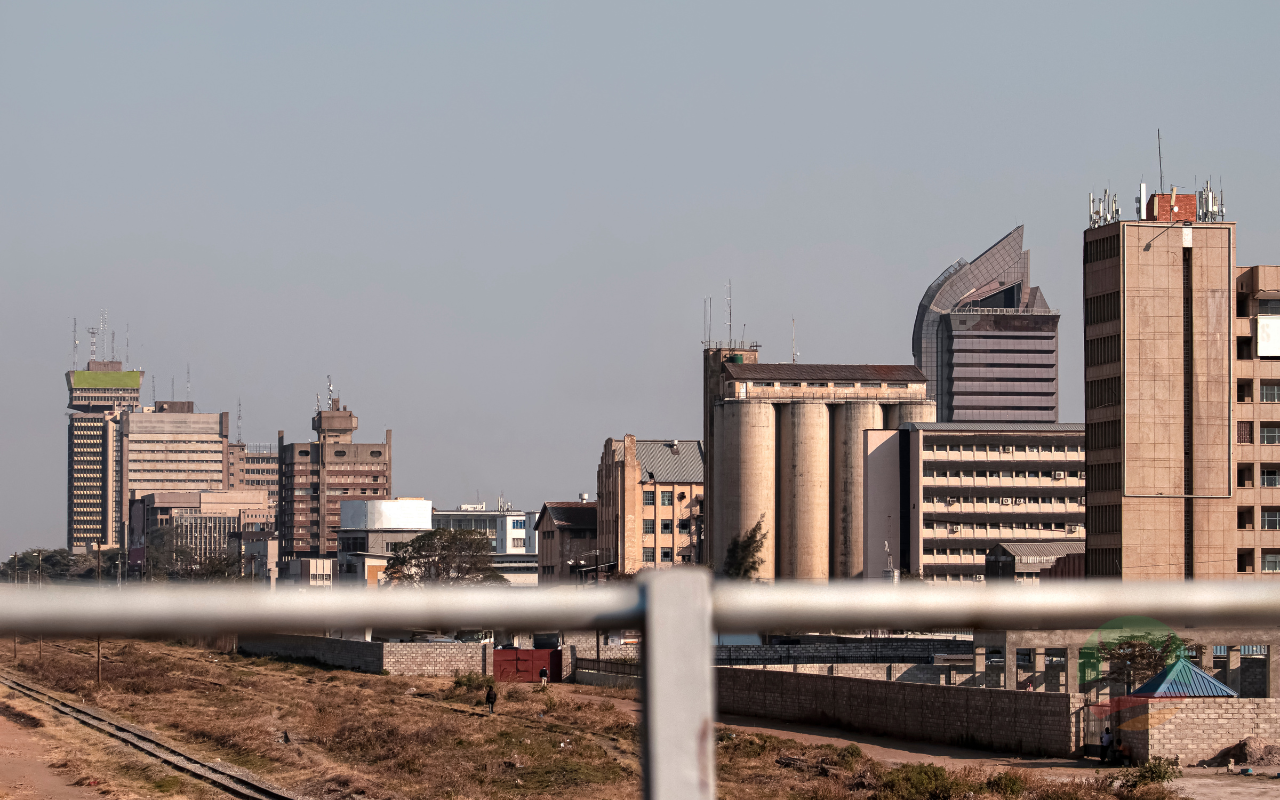
Photo: TimelabUnsplashUnsplash License
LUSAKA, 19 JUNE 2026—Updated 8 Jul 2026
LUSAKA — Zambia's merchandise trade surplus widened to K3.5 billion in April, the Zambia Statistics Agency said, and the main driver is a sharp fall in imports rather than a surge in exports.
The surplus — the amount by which the value of what Zambia sells abroad exceeds what it buys in — almost quadrupled from K0.9 billion in March. That looks like a strong month for the economy. The detail in the data is more sober: the gap widened mostly because imports fell, and a falling import bill can signal slower investment and weaker domestic demand as easily as it signals strength. This is part of Kwacha News's business and economy coverage.
What the April numbers show
According to the Zambia Statistics Agency, exports edged up by 1.5 percent, from K25.0 billion in March to K25.4 billion in April. Imports moved the other way and moved harder, falling 9.3 percent from K24.1 billion to K21.9 billion. The arithmetic does the rest: a K0.4 billion rise in exports met a K2.2 billion drop in imports, and the surplus widens to K3.5 billion as a result.
Imports decreased by 9.3 percent from K24.1 billion in March 2026 to K21.9 billion in April 2026.
— Zambia Statistics Agency, <a href="https://www.zamstats.gov.zm/april-2026-records-a-trade-surplus/">April 2026 monthly trade release</a>
On the export side, the agency attributed the increase to raw materials, up 17.8 percent, and capital goods, up 0.4 percent. The release does not break out refined copper for April. That matters, because copper is the single largest line in Zambia's export basket, and in the preceding month copper earnings had fallen, not risen. Reading "exports drive the surplus" too literally would overstate what the figures actually say.
Why a wider surplus is not automatically good news
A trade surplus sounds unambiguously positive, and over time a country that earns more abroad than it spends builds the foreign exchange it needs to service debt and defend its currency. The composition matters as much as the headline. A surplus built on rising exports reflects a productive economy selling more to the world. A surplus built on shrinking imports can reflect the opposite — firms and households buying fewer machines, less fuel and fewer inputs because money is tight.
Zambia's April figure leans toward the second story. The K2.2 billion fall in imports is the larger mover, and capital goods imports — the machinery and equipment that expand future output — are the category to watch in the coming months. The data says the surplus widened; it does not yet say the economy strengthened.
There is a fiscal silver lining either way. A wider surplus adds to the foreign currency that flows through the banking system, easing pressure on the kwacha and on the reserves the Bank of Zambia holds to meet import and debt needs. The question for policymakers is whether the next few months show imports recovering alongside steady exports, which would mark genuine strength, or imports staying weak, which would flatter the headline while the real economy cools.
The numbers in brief: Zambia's trade surplus widened to K3.5 billion in April 2026, up from K0.9 billion in March. Exports rose 1.5 percent to K25.4 billion; imports fell 9.3 percent to K21.9 billion. The Zambia Statistics Agency attributed the export rise to raw materials (+17.8 percent) and capital goods (+0.4 percent). The release does not break out April copper earnings, and copper export receipts had fallen the previous month.
The copper question
Copper shapes almost everything in Zambia's external accounts. When the metal's price and volumes rise, export earnings and the kwacha tend to follow; when they fall, the trade balance leans on other forces. Kwacha News has tracked how the metal moves through the economy, from the reopening of the Lobito rail corridor that revives a western copper export route to the broader push to lift national output toward government targets.
Because the April release does not isolate copper, the honest reading is that the wider surplus this month is a trade-flows story more than a commodity story. Whether the trend holds will depend on copper receipts in May and June, the path of global prices, and how quickly import demand recovers.
Background: the external accounts and the debt picture
The trade balance feeds directly into Zambia's wider effort to stabilise its public finances after the 2020 default and the long restructuring that followed. Foreign exchange earned through trade is the same currency the government needs to meet external obligations, and Kwacha News reported that external debt service fell by 90.9 million dollars in 2025 as the restructuring took effect.
Investor sentiment has also turned. Zambian government bonds were among the best-performing sovereign debt in the world this year, a signal that markets are pricing in a recovery. A run of healthy trade surpluses would reinforce that view — provided the surpluses come from selling more abroad and not merely from buying less at home.
What to watch
The next monthly release from the Zambia Statistics Agency is the immediate marker. A second consecutive wide surplus driven by recovering exports would be the strong signal; another month of falling imports would point to softening demand. The Bank of Zambia's reserves position and the kwacha's level against the dollar are the parallel gauges, since a durable trade surplus should, over time, support both.
Frequently Asked Questions
These are the questions readers have been asking since the April trade figures landed. Short answers follow, drawn from the Zambia Statistics Agency release and the wider data on Zambia's external accounts.
What is a trade surplus?
In short, a trade surplus is the amount by which the value of a country's exports exceeds the value of its imports over a period. The answer, simply put, is that Zambia sold K3.5 billion more in goods abroad than it bought in during April 2026. The key is that the surplus can widen either because exports rise or because imports fall.
How does Zambia’s trade balance work?
Zambia's trade balance nets the value of goods exported against goods imported each month. Data from the Zambia Statistics Agency shows exports of K25.4 billion against imports of K21.9 billion in April. The difference, K3.5 billion, is the surplus the agency reported.
Why is the April surplus larger than March’s?
The answer is mostly imports. Evidence in the release shows imports fell 9.3 percent month on month while exports rose just 1.5 percent, so the K2.2 billion drop in the import bill did most of the work in widening the gap from K0.9 billion to K3.5 billion.
What are the risks behind the wider surplus?
Analysis of the data reveals one main risk: a surplus driven by falling imports can signal weaker investment and demand rather than a stronger economy. Falling capital-goods and input imports today can mean less production capacity tomorrow, which is why economists read the composition of a surplus, not just its size.
Which exports drive Zambia’s trade?
Copper is Zambia's dominant export and the biggest single influence on the trade balance. For April the agency credited raw materials, up 17.8 percent, and capital goods for the export rise, and notably did not break out copper — research on prior months shows copper earnings had recently fallen, so this month's surplus is more a trade-flows story than a copper story.
Sources
Zambia Statistics Agency: April 2026 records a trade surplus and the agency's data portal. Bank of Zambia: reserves and external-sector data. Kwacha News coverage: external debt service in 2025, the Lobito copper corridor, and Zambia's record bond returns.
More on Business & Economy

Guinea bans raw gold exports as Africa pushes local refining
Guinea has banned raw gold exports and now demands local refining, African Business reported. For Zambia, whose copper still leaves largely unprocessed, the move sharpens a long-running question about where the value is captured.

Zambia cuts fuel prices again as shop prices stay high
Zambia's Energy Regulation Board cut pump prices for a third straight month in August 2026, but transport fares and food prices remain high and non-food inflation is rising.
The Kwacha News briefing.
Business, markets and the Zambian economy — in your inbox.

