

Zambia's government bond secondary market cools mid-June
SEC Zambia’s daily trade summaries show kwacha bond turnover easing from K830m to K592m between 17 and 18 June, even as year-to-date volumes keep climbing.
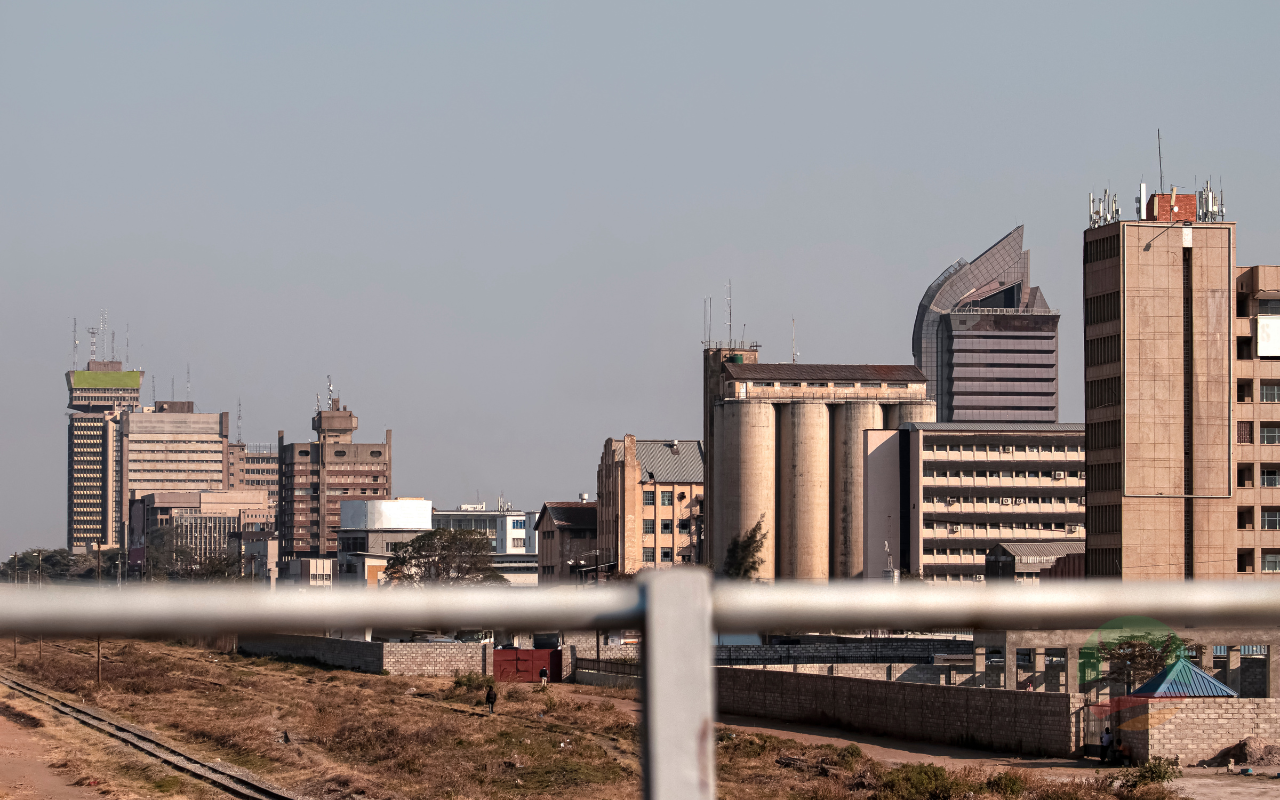
Photo: Brett JordanUnsplashUnsplash License
LUSAKA, 22 JUNE 2026—Updated 8 Jul 2026
LUSAKA — Trading in Zambian government bonds is cooling, with kwacha turnover slipping from K830m to K592m between 17 and 18 June 2026, SEC Zambia’s daily trade summaries show.
The day-on-day softening matters because the secondary market is where banks, pension funds and other investors price the cost of Zambian government debt, and a quieter desk can hint at thinner demand for kwacha paper when turnover cools and a single day’s flow slips. Reported in Kwacha News’s markets coverage, the slowdown sits against a year-to-date tally that keeps rising, signalling that appetite for government debt has not gone away even as a single day’s flow eases.
On 18 June 2026, secondary-market trading in GRZ bonds recorded total nominal value of K560.8m and total market value of K591.6m across 35 trades, according to the SEC Zambia daily trade summary. The figures describe a market still active but lighter than the session before.
A day earlier, on 17 June 2026, the desk was busier: total nominal value reached K797.6m and total market value K830.2m across 39 trades, per SEC Zambia’s report for that date. That means turnover by market value fell roughly 29% day-on-day into 18 June, with four fewer trades changing hands.
Even so, the longer run of data tells a fuller story. Year-to-date secondary-market activity in 2026 reached K64.97bn in market value and K62.24bn in nominal value across 3,912 trades by 18 June, up from K64.38bn, K61.68bn and 3,877 trades the previous day. Kwacha News has tracked how the same SEC trade summaries work in an earlier explainer on what Zambia’s GRZ bond secondary market reveals.
Pricing on 18 June spanned a wide arc. Indicative secondary-market yields ranged from 8.60% on a short bond near its June 2026 maturity to 20.00% on the five-year band, with trade prices running from K79.82 to K152.36 per K100 of nominal value, the SEC summary said. The spread reflects how investors demand more yield to hold longer-dated kwacha debt.
The most actively quoted line on 18 June was the 14.5% February 2026 bond, carrying ISIN ZM1000007600, the report said. K100m nominal traded at prices of 101.40 to 106.24 for a yield of 13.50%, sitting near the 14.25% and 14.50% cut-off yields recorded at the April 2026 primary auction, which the same report listed.
Those yields land in territory that has, this year, made Zambian government debt a standout performer; Kwacha News reported how Zambian government bonds led the world with a 39% return earlier in 2026, a backdrop that helps explain the steady year-to-date trade count even on a softer day.
The SEC underscores the limits of the data. The commission states the daily trade summaries are compiled from third-party dealer submissions and are indicative and informational only, not investment advice, with the range of prices and yields by tenor based on those dealer submissions, per its bond-market statistics page.
The range of prices and yields by tenor is based on dealer submissions. This report is indicative and for information only, and does not constitute investment advice.
— Securities and Exchange Commission Zambia, GRZ bond secondary-market trade summary
Snapshot: SEC Zambia’s GRZ bond secondary-market reports show daily turnover by market value easing from K830.2m across 39 trades on 17 June 2026 to K591.6m across 35 trades on 18 June — a fall of roughly 29%. Year-to-date trading still climbed, reaching K64.97bn in market value across 3,912 trades. Indicative yields on 18 June ran from 8.60% on near-maturity paper to 20.00% on the five-year band, with the 14.5% February 2026 bond the most actively quoted line. The summaries are indicative only, compiled from dealer submissions.
How to read it: nominal value is the face amount of the bonds traded, while market value is what buyers actually paid — so a market value above nominal (as on both days) means many bonds changed hands above par. Yield moves opposite to price: the higher the price an investor pays for a fixed coupon, the lower the yield they earn.
Background
Zambia’s secondary bond market is where existing government securities are bought and sold after the Government of the Republic of Zambia first issues them at primary auctions overseen alongside the Bank of Zambia. The Securities and Exchange Commission publishes daily trade summaries so investors can see how kwacha-denominated debt is changing hands, at what prices and at what yields, across the range of outstanding maturities.
The mid-June readings fit a pattern of sustained activity through 2026. Crossing K64bn in year-to-date market value across more than 3,900 trades by 18 June points to a deep, regularly traded market for kwacha government paper, even as the volume on any single day rises and falls with the flow of dealer submissions the SEC compiles.
What to watch
The clearest signal to track is the next run of SEC Zambia daily trade summaries, which will show whether the 18 June dip was a one-session lull or the start of a thinner stretch. A return toward the K800m-a-day market value seen on 17 June would suggest demand held; a sustained slide would point to cooling appetite for kwacha debt.
The next primary auction also bears watching, because fresh cut-off yields set the benchmark the secondary market trades around. With the April 2026 auction’s 14.25% and 14.50% cut-offs still anchoring quotes such as the February 2026 line, any move in new auction yields would ripple through the prices investors are willing to pay.
Frequently Asked Questions
These are the questions readers have been asking about Zambia’s government bond secondary market and the mid-June 2026 trade data. Short answers follow, drawn from SEC Zambia’s daily trade summaries and the public record.
What is the state of Zambia’s bond market on 17 and 18 June 2026?
In short, it cooled. SEC Zambia data shows daily market-value turnover fell from K830.2m across 39 trades on 17 June to K591.6m across 35 trades on 18 June, a drop of roughly 29%, according to the commission’s trade summaries.
Why is the slowdown not necessarily a sign that demand is fading?
The answer is not necessarily. The evidence shows year-to-date trading still climbed to K64.97bn in market value across 3,912 trades by 18 June, so a single softer session sits within a market that analysis of the data reveals has stayed busy through 2026.
What are Zambian government bonds yielding right now?
The key is the spread by maturity. SEC data reveals indicative secondary-market yields on 18 June ran from 8.60% on a short bond near its June 2026 maturity to 20.00% on the five-year band, with trade prices spanning K79.82 to K152.36 per K100 of nominal value.
Which bond was the most actively traded?
Simply put, the 14.5% February 2026 bond, ISIN ZM1000007600. According to the SEC summary, K100m nominal traded at prices of 101.40 to 106.24 for a yield of 13.50%, close to the 14.25% and 14.50% cut-off yields from the April 2026 primary auction shown in the same report.
How does this trade data get compiled, and who is behind it?
In other words, who counts the trades. The SEC states the daily summaries are compiled from third-party dealer submissions and are indicative and informational only, not investment advice — so the figures show the shape of the market rather than a guaranteed price for any investor.
Sources
Primary documents: SEC Zambia — GRZ Bonds Secondary Market Trade Summary Report, 18 June 2026 (PDF); SEC Zambia — GRZ Bonds Secondary Market Trade Summary Report, 17 June 2026 (PDF); SEC Zambia — bond-market statistics and secondary-market trade summaries; and the SEC Zambia — 18 June 2026 trade summary post.
More on Markets

Zambia's inflation holds at 6.5% for a second month
Annual inflation stayed at 6.5% in July 2026, ZamStats said. Food inflation eased to 6.4% while non-food rose to 6.7%, holding the headline rate inside the central bank's target band.

Bank of Zambia cuts kwacha reserve ratio to 21%
The Bank of Zambia cut the statutory reserve ratio on kwacha deposits to 21% from 26%, freeing about K5 in every K100 of deposits for lending. The ratio on foreign-currency deposits stays at 36%.
The Kwacha News briefing.
Business, markets and the Zambian economy — in your inbox.

