

Zambia's 2026 cholera cases double to 987, with 16 deaths
Zambia's 2026 cholera season has more than doubled year-on-year, with the Ministry of Health and surveillance bodies tracking active transmission into mid-May.
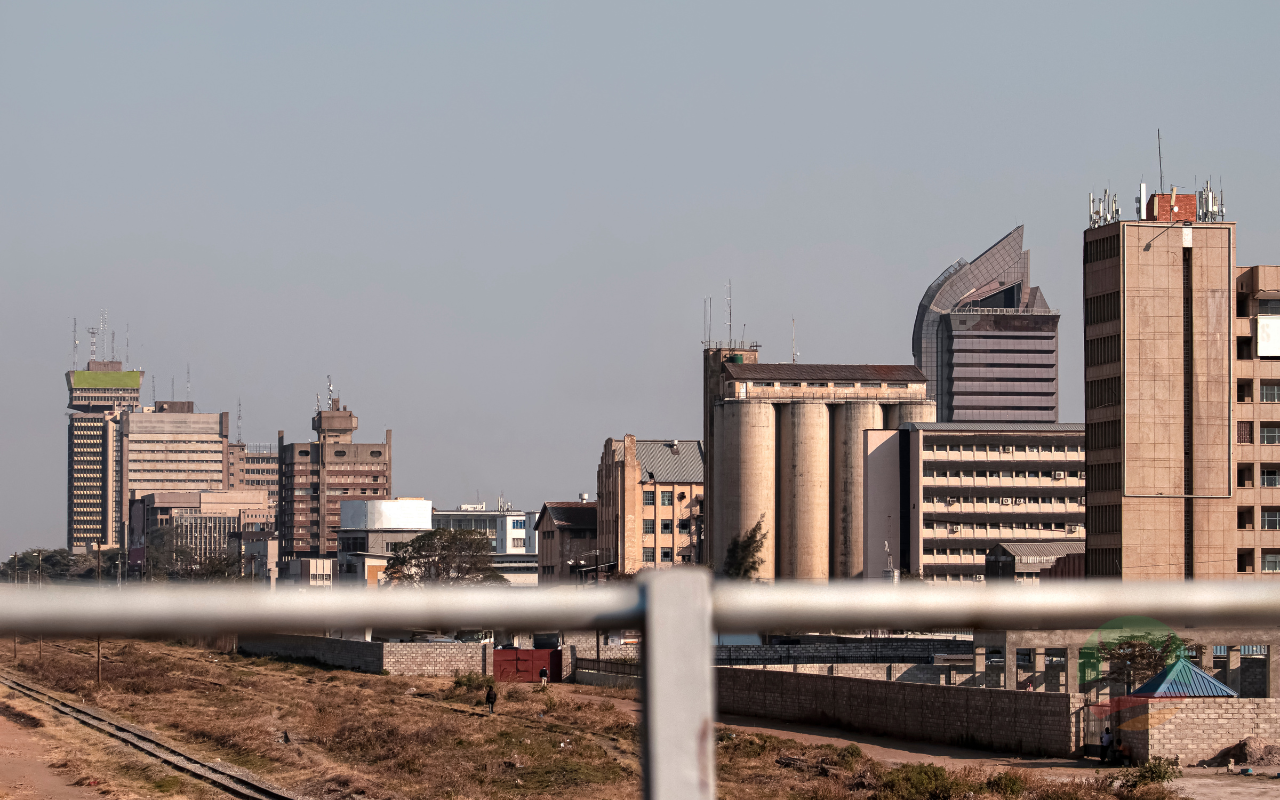
Photo: Andreas Lawen, FotandiwikidataCC BY-SA 3.0
LUSAKA, 21 JUNE 2026—Updated 8 Jul 2026
LUSAKA — Zambia’s 2026 cholera season is its worst in recent years, with 987 cumulative cases and 16 deaths recorded between 1 January and 10 May, roughly double the 2025 burden.
The doubling matters because it signals that the waterborne disease has not been contained going into the rainy-season tail, keeping pressure on a strained public-health system already managing other outbreaks. The European Centre for Disease Prevention and Control (ECDC), drawing on national reporting, places Zambia among the African countries with active cholera transmission in 2026, with the toll concentrated in the north of the country.
Zambia recorded 987 cumulative cholera cases and 16 deaths from 1 January 2026, as of 10 May 2026, according to the ECDC’s cholera monthly overview. The figure marks a sharp escalation from the comparable window a year earlier, when 463 cases and nine deaths had been logged by mid-April 2025 — a roughly two-fold rise in both cases and fatalities.
Transmission remained live through the spring. Between 12 April and 10 May 2026 the country logged 104 new cases and three new deaths, the ECDC said, confirming that the outbreak was still spreading rather than winding down. The trajectory echoes the persistence Kwacha News documented when cholera held in Zambia’s north a year into the outbreak.
Mpulungu District in Northern Province has been the main hotspot in a second wave, the Ministry of Health reported, with Lusaka, Chilanga, Nakonde, Solwezi, Nkeyema and Choma among other districts also recording cases. The geographic spread, from the Tanganyika lakeshore to the capital and the Copperbelt corridor, points to multiple transmission chains rather than a single localised flare.
A vaccination response is under way. An oral cholera vaccine campaign in the Chainda area of Lusaka reached 35,396 people with a first dose, a coverage rate of 99.1 per cent, and 32,987 with a second dose, or 93.2 per cent, the Ministry of Health said. The high two-dose uptake in a dense peri-urban settlement is the kind of coverage public-health planners target to blunt onward spread.
The 2026 season lands alongside other communicable-disease pressures. Kwacha News reported that Zambia’s malaria cases fell as deaths dropped 40 per cent, a gain that shows sustained control is possible but one that the cholera resurgence now sits against, stretching the same surveillance and response teams across more than one front.
Key figures: 987 cumulative cholera cases and 16 deaths from 1 January to 10 May 2026 (ECDC), against 463 cases and nine deaths by mid-April 2025; 104 new cases and three new deaths between 12 April and 10 May 2026; Mpulungu District in Northern Province the main hotspot, with Lusaka, Chilanga, Nakonde, Solwezi, Nkeyema and Choma also affected; an oral cholera vaccine campaign in Chainda, Lusaka reached 99.1 per cent first-dose and 93.2 per cent second-dose coverage.
Snapshot: Zambia’s 2026 cholera toll has roughly doubled year-on-year to 987 cases and 16 deaths by 10 May, with active transmission continuing into mid-May and Northern Province’s Mpulungu District the epicentre. An oral cholera vaccine drive in Lusaka’s Chainda area achieved coverage above 93 per cent for two doses as the Ministry of Health and the World Health Organization track the season.
Why it matters
The case for treating the 2026 numbers as a serious escalation rests on the comparison year-on-year. A toll of 987 cases and 16 deaths by 10 May, set against 463 cases and nine deaths over the comparable 2025 window, is not a marginal uptick but a doubling — and a doubling that arrived while transmission was still active, with 104 new cases and three new deaths logged in the final month of the ECDC reporting period.
The spread across districts sharpens the concern. With Mpulungu in Northern Province leading a second wave and confirmed cases in Lusaka, Chilanga, Nakonde, Solwezi, Nkeyema and Choma, the outbreak now touches the capital, the far north and the route toward the Copperbelt at once. That geographic reach is what makes the high vaccine coverage in Lusaka’s Chainda area — 99.1 per cent for a first dose and 93.2 per cent for a second — both encouraging and partial: the protection sits in one part of the country while cases continue to surface in others.
Background
Cholera is an acute diarrhoeal infection caused by ingesting food or water contaminated with the bacterium Vibrio cholerae, and it spreads fastest where safe water and sanitation are scarce. In Zambia the disease has recurred in successive rainy seasons, with crowded settlements and unprotected water sources driving transmission, which is why response plans pair oral cholera vaccination with water, sanitation and hygiene measures.
The current season is being tracked through both national reporting by the Ministry of Health and the surveillance work of the World Health Organization, whose data feeds international overviews such as the ECDC’s monthly cholera bulletin. The financing backdrop is part of the story, too: Kwacha News set out the fiscal case for health taxes in Zambia, a debate about how the country pays for the very prevention and response capacity that outbreaks like this one test.
What to watch
The first signal to watch is the next surveillance update. The ECDC’s cholera monthly overview and the Ministry of Health’s district reporting will show whether the 104 new cases logged between 12 April and 10 May mark a plateau or the start of a fresh climb.
The second is whether the oral cholera vaccine campaign extends beyond Chainda to the worst-affected northern districts, and whether water and sanitation interventions reach Mpulungu and the other hotspots before the next rains arrive.
Frequently Asked Questions
These are the questions readers are asking about Zambia’s 2026 cholera season. The short answers below draw on the ECDC’s surveillance data and the Ministry of Health’s reporting, and research on how cholera spreads and is controlled.
How many cholera cases and deaths has Zambia recorded in 2026?
In short, the answer is 987 cumulative cases and 16 deaths from 1 January to 10 May 2026, according to ECDC surveillance data. Evidence from the same source shows the toll is roughly double the 463 cases and nine deaths recorded by mid-April 2025.
Is cholera still spreading in Zambia?
Simply put, yes. The data reveals 104 new cases and three new deaths between 12 April and 10 May 2026, which the ECDC says confirms active transmission rather than a season that has ended.
Which areas are worst affected?
According to the Ministry of Health, Mpulungu District in Northern Province is the main hotspot in a second wave. The reporting also shows cases in Lusaka, Chilanga, Nakonde, Solwezi, Nkeyema and Choma, so transmission is not confined to one region.
What is being done to stop the outbreak?
The key is vaccination paired with safe water and sanitation. Ministry of Health figures show an oral cholera vaccine campaign in Lusaka’s Chainda area reached 99.1 per cent first-dose and 93.2 per cent second-dose coverage, the high uptake analysis points to as effective in slowing spread.
How can people protect themselves from cholera?
In other words, prevention rests on clean water, safe food and good hygiene. Public-health evidence shows that drinking treated or boiled water, washing hands with soap, and seeking rapid rehydration at the first sign of severe diarrhoea sharply cut the risk of death, and that oral cholera vaccine adds a further layer of protection.
Sources
Primary surveillance: ECDC cholera monthly overview. National reporting: Ministry of Health Zambia. The World Health Organization’s global cholera surveillance underpins both.
More on Health

Ebola deaths pass 2,000 as WHO warns of deadliest outbreak
More than 2,000 people have died since the Ebola outbreak was declared on 15 May, and the WHO says it is on track to be the deadliest on record. Zambia's exposure runs through its northern border.

Zambia restarts radiotherapy after five years offline
Radiotherapy has resumed at Lusaka's Cancer Diseases Hospital after a US$31 million upgrade funded entirely from domestic resources, ending a five-year gap in advanced cancer treatment.
The Kwacha News briefing.
Business, markets and the Zambian economy — in your inbox.

