

DRC begins Ebola treatment trial as toll rises
A clinical trial of Ebola treatments has started in the Democratic Republic of Congo, where World Health Organization data reported by the BBC shows 1,406 confirmed cases and 438 deaths in the country's latest outbreak.
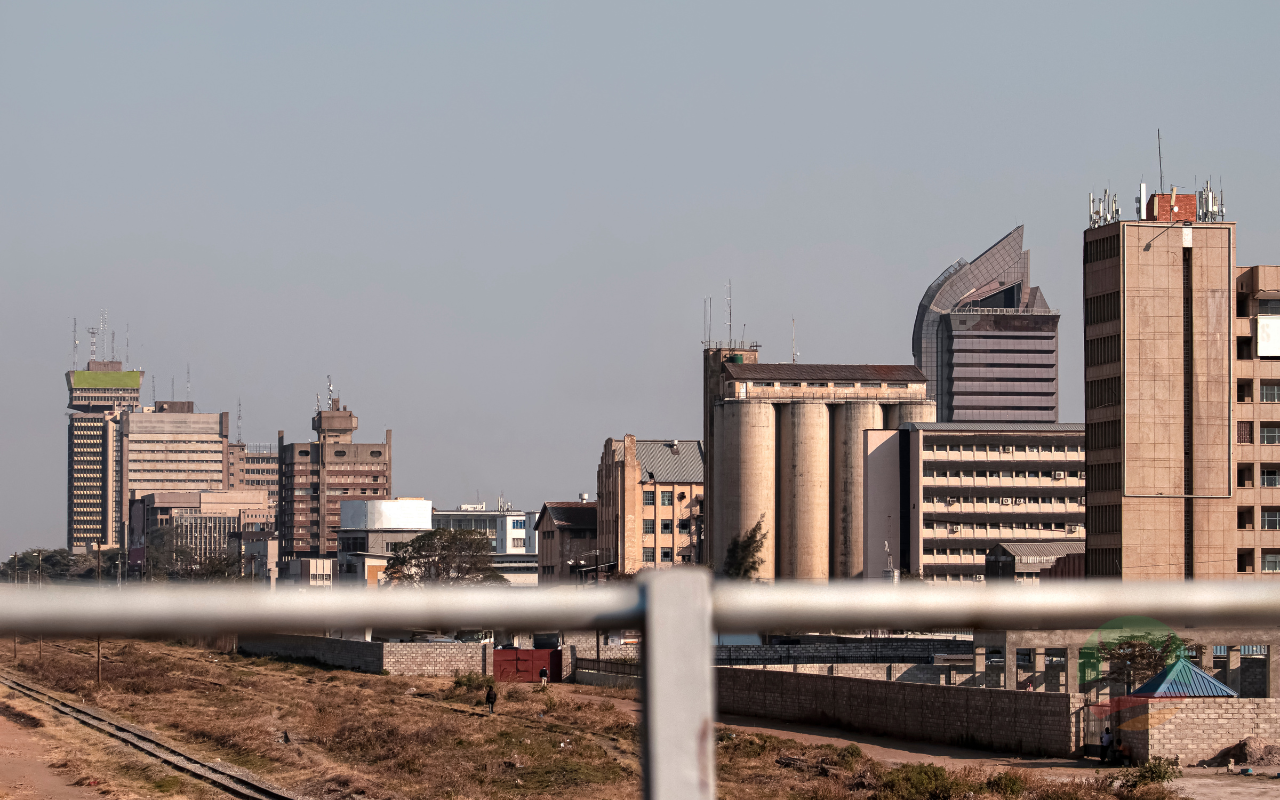
Photo: Pavel DanilyukPexelsPexels License
LUSAKA, 3 JULY 2026—Updated 3 Jul 2026
KINSHASA — A clinical trial of Ebola treatments now represents the next phase of the response to an outbreak in the Democratic Republic of Congo that has produced 1,406 confirmed cases and 438 deaths.
The figures, drawn from World Health Organization data reported by the BBC, show a further 301 cases classified as suspected, meaning the confirmed toll could still rise as laboratory testing catches up with case investigation in affected communities. For a country that has now managed more Ebola outbreaks than any other in the world, the start of a formal treatment trial signals that the response has moved from pure containment towards testing what works best for patients already infected.
Snapshot — key facts: 1,406 confirmed Ebola cases in the DRC outbreak, according to WHO data reported by the BBC. 301 additional cases suspected but not yet confirmed. 438 deaths recorded so far. A clinical trial of Ebola treatments has now begun in the country. The DRC has managed more Ebola outbreaks than any nation, including the two-year Kivu emergency that ended in 2020.
Research conducted during an outbreak, rather than after it ends, gives affected communities faster access to the interventions that work.
— World Health Organization, standing guidance on outbreak research, <a href="https://www.who.int/emergencies/diseases/ebola">WHO Ebola virus disease programme</a>
Why a treatment trial matters now
Ebola is a viral haemorrhagic fever, and for decades outbreaks were managed almost entirely through containment: isolating patients, tracing contacts and breaking chains of transmission. That began to change during West Africa's 2014–2016 epidemic and DRC's own Kivu outbreak of 2018–2020, when monoclonal antibody treatments and an effective vaccine were developed and deployed at scale for the first time. A treatment trial beginning inside an active outbreak builds directly on that progress — it tests how existing and experimental therapies perform against the specific viral strain circulating in this outbreak, rather than waiting for the emergency to end before drawing conclusions.
The World Health Organization has said research embedded within an active response, rather than run afterwards, produces faster and more relevant answers for patients still at risk. That approach depends on outbreak-affected countries having the clinical infrastructure to run trials safely alongside emergency care — capacity the DRC has built up significantly since 2018, partly because it has had little choice. This is the country's eleventh recorded Ebola outbreak since the virus was first identified there in 1976, and each has left behind more trained clinicians, more functioning treatment centres and more institutional memory than the one before.
How Ebola spreads and how outbreaks are contained
Ebola virus disease spreads through direct contact with the blood, bodily fluids or tissues of an infected person or animal, or with surfaces and materials contaminated by those fluids. It does not spread through the air in the way respiratory illnesses do, which is why case-by-case contact tracing remains central to any outbreak response. Symptoms typically begin with fever, fatigue, muscle pain and headache, and can progress to vomiting, diarrhoea and, in severe cases, internal and external bleeding. The incubation period ranges from two to 21 days, meaning contacts of a confirmed case are typically monitored for three weeks before being cleared.
The DRC's standard response toolkit now includes ring vaccination, a strategy first proven effective during the country's 2018 North Kivu outbreak. Rather than vaccinating an entire population, health teams identify everyone who has been in contact with a confirmed case, then vaccinate that ring of contacts and the contacts of contacts, creating a buffer that starves the virus of new hosts. The approach, combined with rapid diagnostic testing and community engagement to counter mistrust of health workers, has repeatedly shortened outbreaks that might once have run for years. Whether ring vaccination has been deployed in this outbreak has not been confirmed, and this report does not assume it has.
Regional health security
An Ebola outbreak in the DRC is never purely a domestic matter. The country shares borders with nine neighbours, more than any other African state, and previous outbreaks have periodically triggered heightened surveillance at crossings into Rwanda, Uganda, Burundi, Zambia and the Republic of Congo. Regional health authorities, including the Africa Centres for Disease Control and Prevention, generally treat a confirmed DRC outbreak as a continental early-warning trigger, prompting neighbouring health ministries to review their own screening and isolation capacity even when no cases have crossed a border.
For Zambia and other countries in the region, that translates into practical steps rather than alarm: airport and border health screening is reviewed, laboratories check their diagnostic readiness, and health ministries update guidance for clinicians on recognising and reporting suspected cases. Kwacha News has covered the DRC's own decision to ban large public gatherings in the capital as part of its domestic containment effort, a measure that reflects how seriously Kinshasa is treating the outbreak's trajectory even as case-finding continues. Readers can follow ongoing developments in Kwacha News's health coverage.
What to watch
The next markers to watch are whether the confirmed case count continues rising as the 301 suspected cases are tested, whether the death toll stabilises as more patients access treatment through the trial, and whether the WHO issues any update on the outbreak's classification or on cross-border guidance for neighbouring states. Trial results themselves typically take weeks or months to produce meaningful data on treatment effectiveness, so the more immediate signal will be whether case growth slows in the areas where the response, including the new trial, is concentrated.
Sources
This report is based on World Health Organization data reported by the BBC: Ebola treatment trial begins in DR Congo as cases rise. Background on the outbreak's earlier containment measures is drawn from Kwacha News's prior report: DRC bans capital gatherings over Ebola outbreak.
Frequently Asked Questions
Readers have asked a number of practical questions about the outbreak and the new treatment trial. Short, sourced answers follow.
What is Ebola virus disease?
In short, Ebola virus disease is a severe viral haemorrhagic fever that spreads through direct contact with the bodily fluids of an infected person. According to public health research, symptoms include fever, fatigue and muscle pain, which can progress to severe bleeding in advanced cases. The DRC's outbreak history means the country's clinicians have significant experience diagnosing and managing the disease.
How does Ebola spread between people?
Simply put, Ebola spreads through direct contact with blood, bodily fluids or contaminated surfaces, not through the air. Data from previous outbreaks shows that contact tracing and monitoring of exposed individuals for the 21-day incubation period is central to breaking chains of transmission. This is why case investigation, rather than broad quarantine, remains the backbone of the DRC's response.
Why is a treatment trial beginning during an active outbreak?
The key is that research embedded in a live response produces faster answers than waiting until an outbreak ends, according to World Health Organization guidance on outbreak science. Evidence from the 2018–2020 Kivu outbreak shows that monoclonal antibody treatments and vaccines tested during an active emergency went on to become standard tools in later responses, including this one.
What are the current case and death figures for this outbreak?
In other words, the figures reported via WHO data are 1,406 confirmed cases, 301 suspected cases and 438 deaths. The analysis of these numbers shows a substantial share of confirmed cases have proved fatal, underlining why health authorities have prioritised both containment measures and, now, a treatment trial.
Which countries border the DRC and face regional health security implications?
The answer is nine countries, including Zambia, Rwanda, Uganda, Burundi and the Republic of Congo, share a border with the DRC. Research on past outbreaks shows neighbouring health ministries typically review border screening and laboratory readiness whenever the DRC confirms a new Ebola outbreak, even without confirmed cross-border cases.
More on Health

Ebola deaths pass 2,000 as WHO warns of deadliest outbreak
More than 2,000 people have died since the Ebola outbreak was declared on 15 May, and the WHO says it is on track to be the deadliest on record. Zambia's exposure runs through its northern border.

Zambia restarts radiotherapy after five years offline
Radiotherapy has resumed at Lusaka's Cancer Diseases Hospital after a US$31 million upgrade funded entirely from domestic resources, ending a five-year gap in advanced cancer treatment.
The Kwacha News briefing.
Business, markets and the Zambian economy — in your inbox.

