

Cholera holds in Zambia's north a year into outbreak
Nearly a year after it began in Mpulungu, the outbreak is contained but not over — and the response leans on vaccines and the slow fix of clean water.
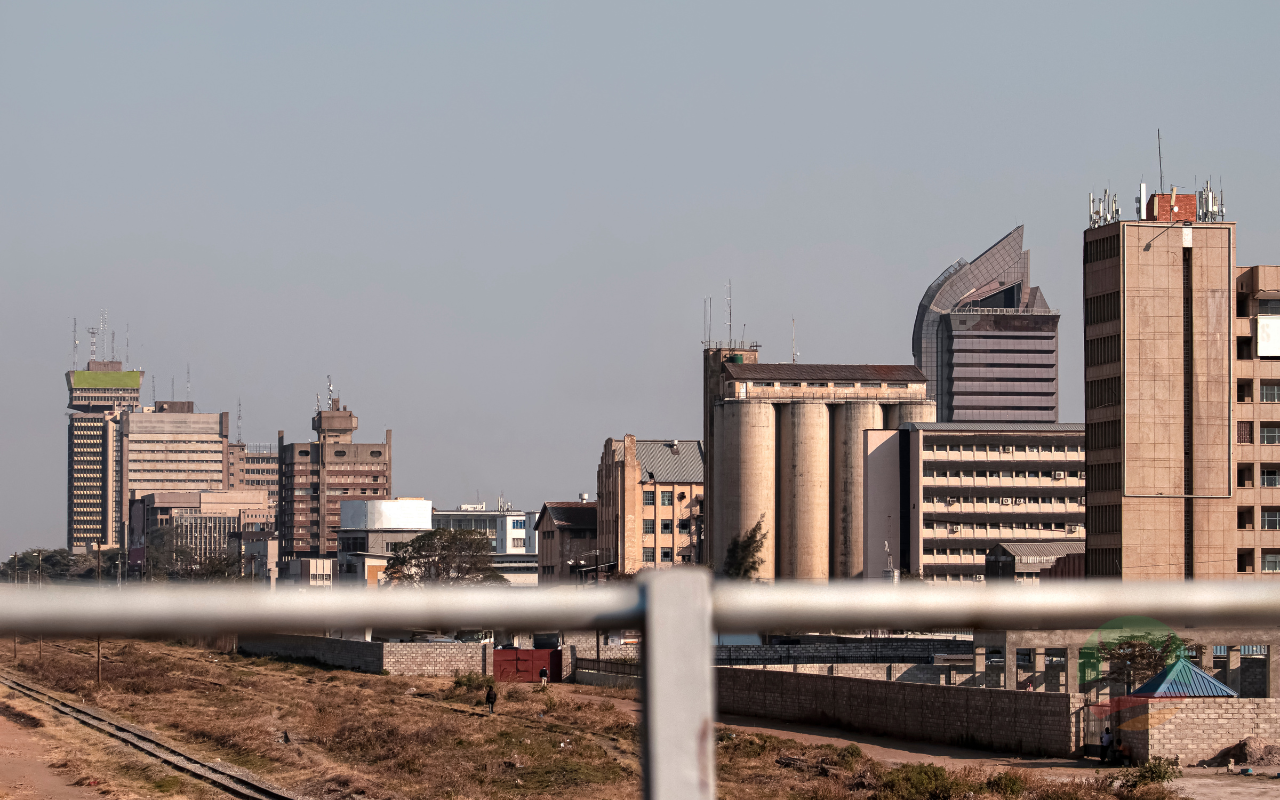
Photo: Andreas Lawen, FotandiwikidataCC BY-SA 3.0
LUSAKA, 1 JUNE 2026—Updated 8 Jul 2026
LUSAKA — Cholera is still circulating in Zambia's Northern Province nearly a year after the outbreak began, even as the national caseload stays low and the response leans on vaccines and clean water.
The outbreak matters because cholera is a disease of water and sanitation, not chance — where it persists, it marks the places the basics have not yet reached. Holding it down while fixing those basics is the test now facing the Ministry of Health.
The outbreak was first detected on 5 August 2025 in Mpulungu District, on the shore of Lake Tanganyika in Northern Province. It has since reached 20 districts across eight provinces, though it never became the nationwide emergency Zambia suffered in the historic epidemic of 2023 and 2024.
By early February 2026, the Ministry of Health had recorded a cumulative 861 cases and 16 deaths since the start of the outbreak. Northern Province remained the epicentre, accounting for about 70% of cases — some 570 across five districts — while Lusaka recorded only low-level, sporadic infections.
As of early February, Zambia had recorded a cumulative 861 cholera cases and 16 deaths since the outbreak began in August 2025, with Northern Province accounting for about 70% of cases.
— Ministry of Health cholera situation update, <a href="https://www.moh.gov.zm/?p=7734">Zambia responding to the cholera outbreak</a>
Cholera is the harder twin of the malaria fight Kwacha News reported this week, when national malaria cases fell sharply. Both draw on the same overstretched health workforce that was tested again during the Ebola scare on the DR Congo border.
Vaccine buys time; water ends it
The immediate tool is the oral cholera vaccine. In the Lusaka township of Chainda, a two-dose campaign reached 35,396 people with a first dose — 99.1% of those eligible — and 32,987 with a second, or 93.2%. High coverage like that blunts transmission in a hotspot and buys the system time.
The vaccine only holds the line, though. Cholera spreads through water and food contaminated with the bacterium, so the durable fix is unglamorous infrastructure: safe water, sewerage, and drainage in the lakeshore and peri-urban communities where the disease keeps finding a foothold. That is the line Health Minister Elijah Muchima has drawn — emergency response now, water and sanitation for good — and it runs through Kwacha News's Health coverage.
Zambia's cholera outbreak in numbers — 5 August 2025: detected in Mpulungu, Northern Province. 861: cumulative cases by early February 2026. 16: deaths. 20 districts in 8 provinces: the spread. ~70%: Northern Province's share. 99.1% / 93.2%: oral cholera vaccine coverage, doses one and two, in Chainda.
Background
Zambia's worst cholera epidemic, in the 2023-24 rainy season, killed hundreds and overwhelmed Lusaka, forcing the army to build treatment centres on a stadium grounds. The current outbreak is far smaller, and analysts at Gavi and in public-health journals describe cholera as in retreat compared with that peak. The risk is complacency: the bacterium is endemic to the region and surges whenever the rains overwhelm weak sanitation.
What to watch
The next rainy season, from November, is the test. If case numbers stay flat through it, the response will have worked. The other variable is investment: whether the water and sanitation spending that prevents cholera arrives in Mpulungu and the lakeshore districts before the next surge, rather than after it.
Frequently Asked Questions
These are the questions readers ask about Zambia's cholera outbreak. Short answers follow, drawn from Ministry of Health and World Health Organization data.
What is the status of Zambia's cholera outbreak?
In short, it is contained but ongoing, centred on Northern Province. The answer, simply put, is a cumulative 861 cases and 16 deaths since August 2025, far below the 2023-24 epidemic.
How does cholera spread?
The data shows cholera spreads through water and food contaminated with the bacterium. According to public-health research, that is why it concentrates where safe water and sanitation are weakest.
Why is Northern Province the epicentre?
The key is the lakeshore. Evidence from the response shows Mpulungu and surrounding Northern Province districts, on Lake Tanganyika, account for about 70% of cases, where clean water is hardest to guarantee.
Who is most at risk?
In other words, communities without safe water and sanitation, and young children most of all. Research shows cholera kills fastest through dehydration when treatment is far away.
What are the measures in place?
Analysis of the response shows oral cholera vaccination in hotspots, case management, water chlorination and surveillance. The answer is that vaccine contains the outbreak while water and sanitation investment is meant to end it.
Mpulungu sits on Lake Tanganyika, a crowded fishing and trading hub where water and sanitation have not kept pace with the population. That is the pattern across the outbreak: cholera clusters where people draw water from the same sources they cannot keep clean. Breaking it means boreholes, treatment and drainage — the slow, capital-hungry work that outlasts any single vaccination round.
Sources
Ministry of Health: Zambia responding to the cholera outbreak. Gavi: a year after a historic epidemic, cholera is in retreat in Zambia. ReliefWeb: Zambia cholera response report.
More on Health

Ebola deaths pass 2,000 as WHO warns of deadliest outbreak
More than 2,000 people have died since the Ebola outbreak was declared on 15 May, and the WHO says it is on track to be the deadliest on record. Zambia's exposure runs through its northern border.

Zambia restarts radiotherapy after five years offline
Radiotherapy has resumed at Lusaka's Cancer Diseases Hospital after a US$31 million upgrade funded entirely from domestic resources, ending a five-year gap in advanced cancer treatment.
The Kwacha News briefing.
Business, markets and the Zambian economy — in your inbox.

