

Zambia requires validation before new TB testing rollout
Health officials are testing new devices, including the swab-based MiniDock, against Zambian samples before wider deployment, after a funding scare exposed how thin the country's tuberculosis testing network still is.
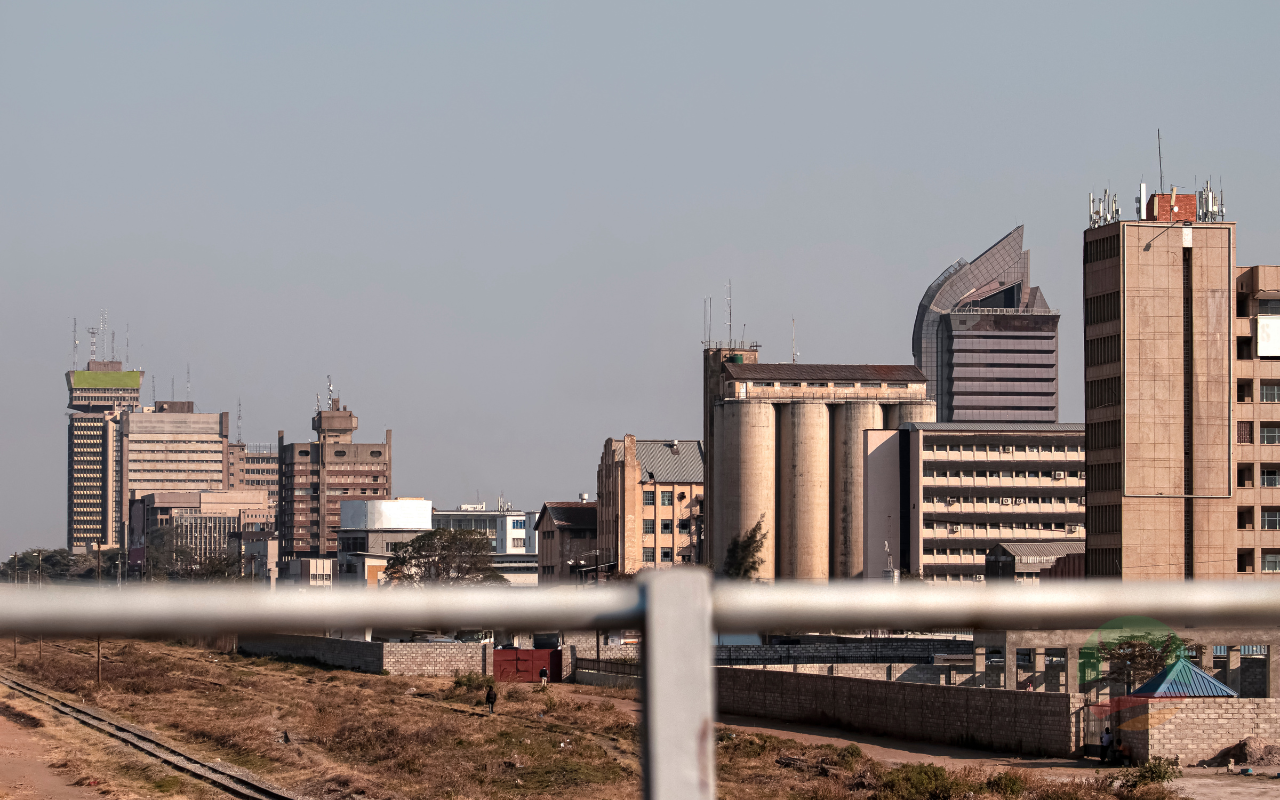
Photo: LittleT889wikidataCC BY-SA 4.0
LUSAKA, 8 JULY 2026—Updated 8 Jul 2026
LUSAKA — Local validation is now a required step before any new tuberculosis testing device reaches patients in Zambia, health officials say.
The requirement follows the arrival of MiniDock, a portable diagnostic device that screens for tuberculosis using a tongue or oral swab instead of a sputum sample. The Ministry of Health requires each new device to clear local validation before wider deployment, as it works to close a testing gap that, as of 2024, left roughly two-thirds of the country's 4,000-plus health facilities unable to test for the disease on-site at all.
Zambia sits on the World Health Organization's list of 30 high-burden tuberculosis countries, with an estimated 58,000 new cases and between 5,000 and 8,000 deaths recorded each year, according to the Ministry of Health's national TB and leprosy programme. Patients who reach treatment recover at a rate above 90 percent. The bottleneck sits earlier in the chain: diagnosis, not treatment.
GeneXpert has been Zambia's primary molecular testing platform for more than a decade, reading sputum samples for the tuberculosis bacterium's genetic signature in around two hours. The cartridges cost $7 to $11 each, and the machines depend on stable power and trained laboratory staff — both scarce outside major hospitals, according to a report on the testing programme carried by AllAfrica, via Nigeria Health Watch, 3 July 2026. MiniDock, built by the Chinese diagnostics company Pluslife, is designed to work around that constraint: a smaller device that reads a tongue or oral swab instead of sputum, at a lower running cost per test.
Local validation isn't optional.
— Dr Eddie Somuneti Solo, head of the tuberculosis laboratory, University Teaching Hospital, Lusaka, quoted by <a href="https://allafrica.com/stories/202607030151.html">Nigeria Health Watch, via AllAfrica</a>
As of 2024, only about a third of Zambia's more than 4,000 health facilities could test for tuberculosis on-site, forcing many patients to travel to, or wait for samples to reach, a distant laboratory. Every delay narrows the window in which a case is caught before it spreads further. Between 4 and 12 of every 100 samples that test positive still need a confirmatory test, usually run on a separate platform such as Truenat, adding a second point where a device has to perform reliably outside controlled laboratory conditions. Kwacha News has reported on how retreating donor funding is straining tuberculosis and HIV programmes across the region, a pressure that makes getting new diagnostic tools right the first time matter more, not less.
The Ministry of Health has secured 134 MiniDock units through the Global Fund to Fight AIDS, Tuberculosis and Malaria, with the Children's Investment Fund Foundation and the Aurum Institute supporting the rollout. Zambia plans to deploy the first devices to between 45 and 60 facilities, expanding only once local validation confirms the swabs perform as well under Zambian conditions as they did in the manufacturer's own trials. The caution follows a jolt to the country's disease-financing landscape: a five-year US health package covering HIV, TB and malaria programmes was publicly thanked for before Zambia's own information ministry confirmed it had not yet been signed, a reminder of how exposed the testing scale-up still is to funding that arrives on someone else's timetable.
No one expected to see the thing that happened, would happen.
— Dr Angel Mubanga, national TB and leprosy programme coordinator, Zambia Ministry of Health, on the unexpected 2025 funding suspension, quoted by <a href="https://allafrica.com/stories/202607030151.html">Nigeria Health Watch, via AllAfrica</a>
By the numbers: Zambia records an estimated 58,000 tuberculosis cases and 5,000 to 8,000 deaths a year. Only about a third of the country's 4,000-plus health facilities could test for TB on-site as of 2024. GeneXpert cartridges cost $7 to $11 each. The Ministry of Health has secured 134 MiniDock units, deploying the first batch to 45 to 60 facilities. Between 4 and 12 of every 100 positive samples still need a confirmatory test.
Background
Zambia introduced GeneXpert testing in stages over the past decade, concentrating machines in provincial and district hospitals rather than the smaller health posts where most patients first seek care. That geography shaped the testing gap health officials are now trying to close: a facility without its own machine has to refer patients onward, and referral is where cases are lost to follow-up, missed appointments and cost.
Diagnostic devices built and calibrated abroad do not always perform the same way once they reach the specimens, staff routines and climate they were not designed around. Zambia's tuberculosis burden is complicated further by high rates of HIV co-infection, which can lower the concentration of bacteria in a sample and make a borderline case harder to call correctly. Validating MiniDock against Zambian samples, in Zambian laboratories, before wider deployment is the safeguard the tuberculosis laboratory at University Teaching Hospital says cannot be skipped.
What to watch
The next signal is the validation data itself. If MiniDock's results hold up against GeneXpert and Truenat on Zambian samples, the Ministry of Health is expected to widen the rollout beyond the initial 45 to 60 facilities, using the 134 units already secured. A weaker showing would slow the timetable and test how far the Global Fund, the Children's Investment Fund Foundation and the Aurum Institute are willing to extend support while the country's wider health-financing picture remains unsettled. This story forms part of Kwacha News's health coverage.
Sources
Nigeria Health Watch, via AllAfrica: Why Zambia Is Rethinking Tuberculosis Testing, and Why Validation Must Come First, 3 July 2026. Global Fund to Fight AIDS, Tuberculosis and Malaria: tuberculosis programme overview.
Frequently Asked Questions
These are the questions readers have been asking since Zambia began validating new tuberculosis diagnostic devices ahead of a wider rollout. Short answers follow, drawn from the University Teaching Hospital's tuberculosis laboratory and the Ministry of Health's national TB and leprosy programme.
What is MiniDock?
In short, MiniDock is a portable tuberculosis testing device that reads a tongue or oral swab instead of a sputum sample. The answer, simply put, is that it is designed to reach facilities that cannot support a full GeneXpert machine. The key is cost and convenience: a swab is faster to collect than sputum and cheaper to run at scale.
How does tuberculosis testing work in Zambia?
Zambia's laboratories test suspected tuberculosis samples first on GeneXpert or Truenat platforms, which read a sample's genetic signature for the disease in around two hours. Data from the Ministry of Health shows that only about a third of the country's 4,000-plus facilities could run that test on-site as of 2024, meaning many patients depend on samples being transported to a hospital that can.
Why is local validation different from a normal rollout?
A standard rollout ships an approved device and trains staff to use it. According to the tuberculosis laboratory at University Teaching Hospital, validation requires re-testing the device against Zambian patient samples, under Zambian laboratory conditions, before deployment continues. The answer is that a test built and proven elsewhere can behave differently once HIV co-infection, climate and specimen handling change.
Who is affected by the MiniDock rollout?
The rollout affects the estimated 58,000 people diagnosed with tuberculosis in Zambia each year, and the health workers who test and treat them, most directly. In other words, the change reaches patients furthest from a hospital first, while the wider health system waits for validation data before the remaining facilities receive devices.
What are the real risks of skipping validation?
Analysis of the funding history behind this rollout points to two durable risks: a device that misreads samples in the field even after passing manufacturer trials, and a funding pipeline — running through the Global Fund, CIFF and the Aurum Institute — that research shows is vulnerable to sudden disruption, as the 2025 funding suspension demonstrated. Each risk is a reason validation comes before scale, not after.
More on Health

Ebola deaths pass 2,000 as WHO warns of deadliest outbreak
More than 2,000 people have died since the Ebola outbreak was declared on 15 May, and the WHO says it is on track to be the deadliest on record. Zambia's exposure runs through its northern border.

Zambia restarts radiotherapy after five years offline
Radiotherapy has resumed at Lusaka's Cancer Diseases Hospital after a US$31 million upgrade funded entirely from domestic resources, ending a five-year gap in advanced cancer treatment.

DRC begins Ebola treatment trial as toll rises
A treatment trial has begun in the Democratic Republic of Congo's Ebola outbreak, where WHO figures reported by the BBC put confirmed cases at 1,406 and deaths at 438, with a further 301 cases suspected.
The Kwacha News briefing.
Business, markets and the Zambian economy — in your inbox.