

Zambia's malaria cases fall as deaths drop 40%
National cases dropped to an estimated 9.5 million in 2024 from 11.5 million — progress the Ministry of Health is trying to hold while it fights cholera on another front.
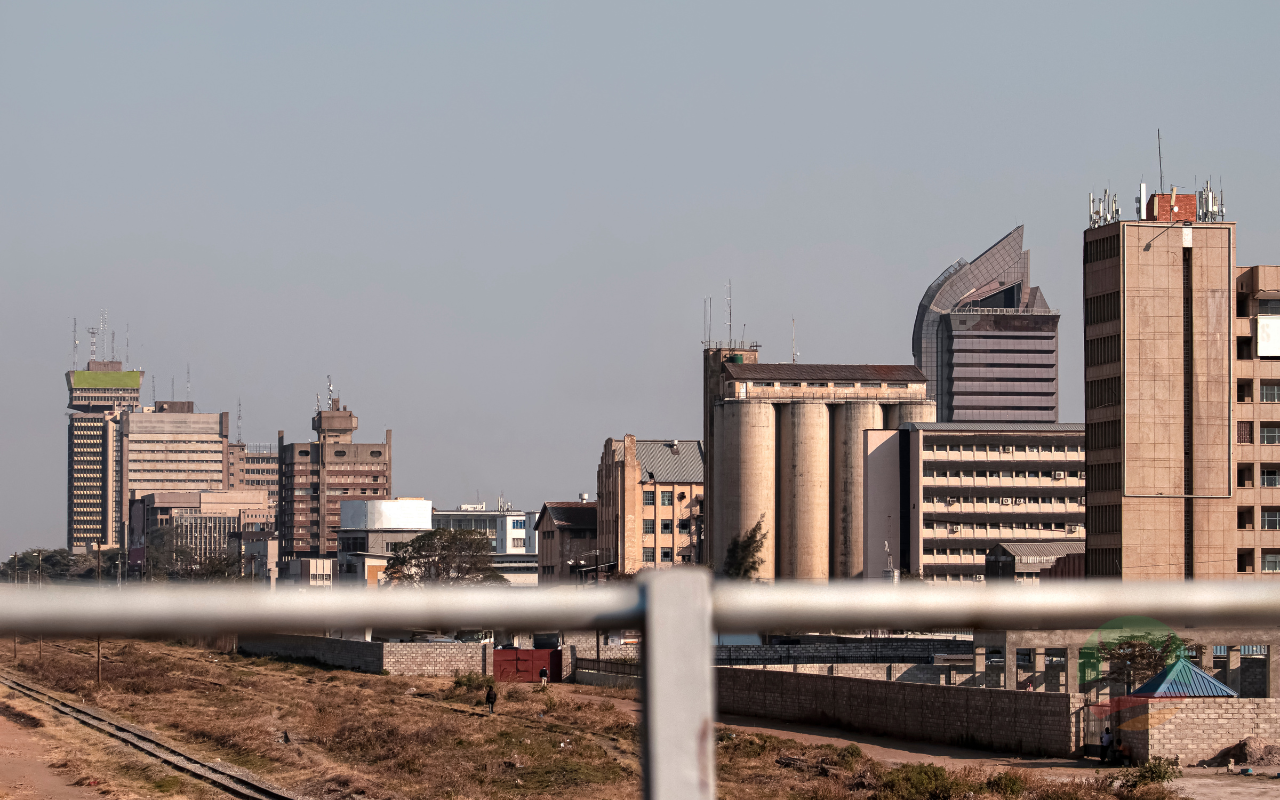
Photo: Andreas Lawen, FotandiwikidataCC BY-SA 3.0
LUSAKA, 1 JUNE 2026—Updated 8 Jul 2026
LUSAKA — Malaria in Zambia is in retreat: national cases fell to an estimated 9.5 million in 2024 from 11.5 million a year earlier, and deaths dropped by 40%, Ministry of Health data shows.
The decline matters because malaria remains one of the country's biggest killers of children, and because Zambia is making the gains on two fronts at once — pushing malaria down while fighting a cholera outbreak that began in 2025.
The figures, drawn from the Ministry of Health's malaria programme, show a 24% fall in incidence between 2023 and 2024 alongside the 40% drop in mortality. They reflect years of bed-net distribution, indoor spraying, faster diagnosis and treatment, and the rollout of malaria vaccines in the hardest-hit districts.
National malaria cases fell from an estimated 11.5 million in 2023 to 9.5 million in 2024 — a 24% decline in incidence and a 40% reduction in mortality.
— Ministry of Health malaria programme data, reported via the <a href="https://www.afro.who.int/countries/zambia">WHO Regional Office for Africa</a>
Zambia has long been a test bed for malaria control in southern Africa. The World Health Organization's country office recently handed over equipment to the Ministry of Health to strengthen surveillance and outbreak response — the same systems Kwacha News has watched stretch during the Ebola scare on the DR Congo border and the border-screening effort that followed.
Why the drop happened
Malaria control is unglamorous and cumulative. Insecticide-treated nets and indoor residual spraying cut transmission; rapid diagnostic tests and artemisinin-based treatment stop infections becoming deaths; community health workers carry both into rural areas the formal system struggles to reach. Where those tools are sustained, cases fall.
Zambia's malaria numbers — 11.5 million: estimated cases in 2023. 9.5 million: estimated cases in 2024. 24%: the fall in incidence. 40%: the drop in mortality. The leading tools: bed nets, indoor spraying, rapid tests, treatment and vaccines.
The cholera front
The progress on malaria is not the whole health picture. Zambia has been responding to a cholera outbreak first detected in August 2025 in Mpulungu, in Northern Province, which became the epicentre while Lusaka recorded lower-level cases. Cholera is a disease of water and sanitation, and the response — chlorination, oral cholera vaccine, case management — draws on the same overstretched workforce that delivers malaria care. Health Minister Elijah Muchima has framed both as tests of the system's resilience, a theme central to Kwacha News's Health coverage.
Background
Zambia has set itself the goal of malaria elimination, a target shared across the southern African region. The hard part is the last stretch: as cases fall, the remaining infections concentrate in the poorest, most remote and most mobile populations, where surveillance is weakest. Holding a 24% gain is harder than making it, and depends on financing that is partly donor-backed.
What to watch
The rainy season from November is the real test: malaria and cholera both surge with the rains. Whether the 2024 gains hold into the next transmission season will show if the decline is structural or a good year. The other variable is money — cuts to global health financing would land first on exactly the surveillance and net-distribution programmes driving the fall.
Frequently Asked Questions
These are the questions readers ask about Zambia's malaria fight. Short answers follow, drawn from Ministry of Health and World Health Organization data.
What are Zambia's latest malaria numbers?
In short, estimated cases fell to 9.5 million in 2024 from 11.5 million in 2023. The answer, simply put, is a 24% drop in incidence and a 40% fall in deaths.
Why is malaria still a problem if cases are falling?
The data shows malaria remains a leading killer of Zambian children. According to the Ministry of Health, the remaining cases concentrate in the poorest and most remote areas, where control is hardest.
What is driving the decline?
Research shows the gains come from bed nets, indoor spraying, rapid diagnostic tests, prompt treatment and, increasingly, malaria vaccines. In other words, sustained basic tools, not a single breakthrough.
What is the cholera situation in Zambia?
The key is that a cholera outbreak detected in August 2025 centred on Mpulungu in Northern Province. Evidence from the response shows the same health workforce handles both cholera and malaria.
How does Zambia plan to eliminate malaria?
Zambia has set an elimination goal, and the evidence shows it is moving the right way. The answer is that holding and extending the gains depends on steady financing and surveillance through the rainy season.
Much of the gain rests on external financing. The US President's Malaria Initiative and the Global Fund have for years bankrolled the nets, tests and medicines behind Zambia's progress, alongside the newer RTS,S and R21 malaria vaccines now reaching young children. That reliance is also the risk: any squeeze on global health budgets would land first on the programmes doing the work.
Sources
World Health Organization: Regional Office for Africa, Zambia. Severe Malaria Observatory: malaria statistics and facts, Zambia. Ministry of Health: public health updates. Gavi: cholera in retreat in Zambia.
More on Health

Ebola deaths pass 2,000 as WHO warns of deadliest outbreak
More than 2,000 people have died since the Ebola outbreak was declared on 15 May, and the WHO says it is on track to be the deadliest on record. Zambia's exposure runs through its northern border.

Zambia restarts radiotherapy after five years offline
Radiotherapy has resumed at Lusaka's Cancer Diseases Hospital after a US$31 million upgrade funded entirely from domestic resources, ending a five-year gap in advanced cancer treatment.
The Kwacha News briefing.
Business, markets and the Zambian economy — in your inbox.

