

Zambia restarts radiotherapy after five years offline
A US$31 million upgrade at the Cancer Diseases Hospital in Lusaka reopens treatment that stopped in 2020, when about 600 patients were flown to India instead.
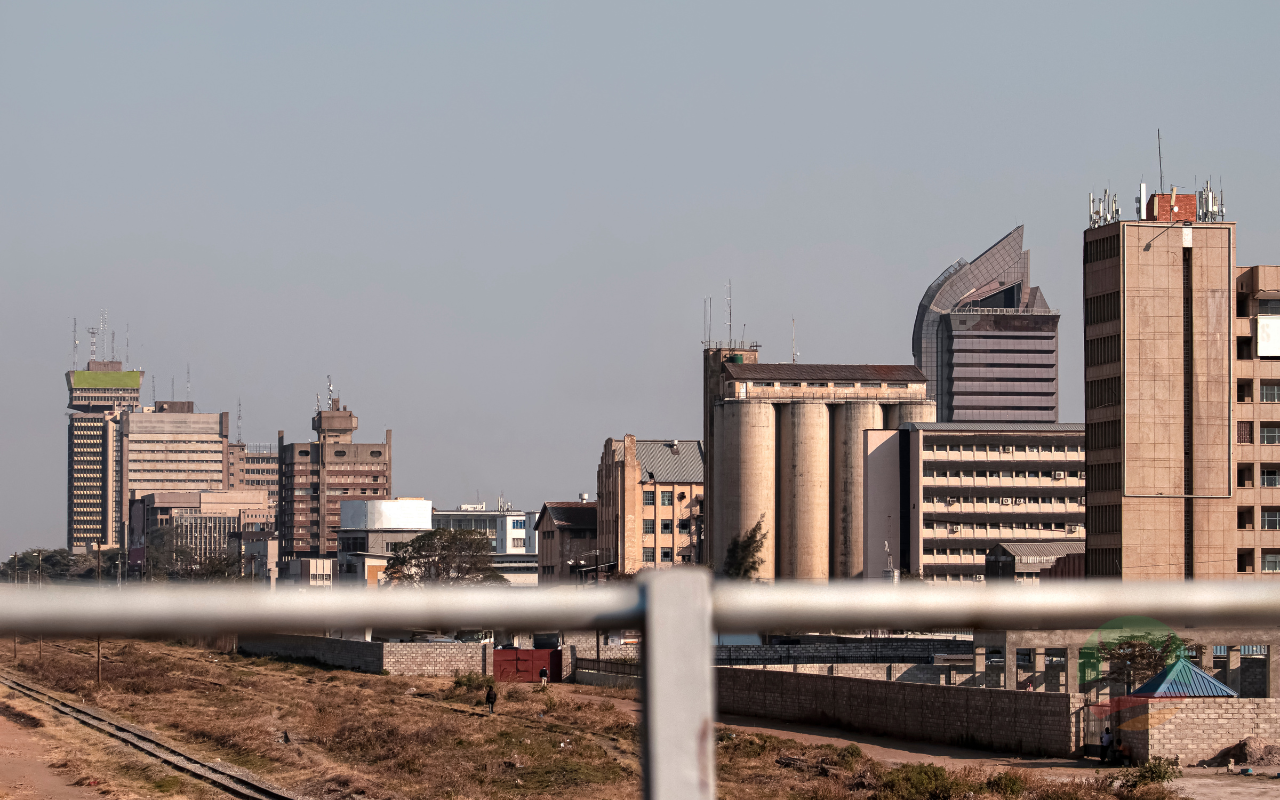
Photo: ZANISzanisGovernment of Zambia — editorial use
LUSAKA, 6 AUGUST 2026—Updated 6 Aug 2026
LUSAKA — Radiotherapy is available again at the Cancer Diseases Hospital in Lusaka, ending a gap of more than five years in which Zambia could not deliver advanced cancer treatment at home.
President Hakainde Hichilema commissioned the reopening after a US$31 million upgrade financed entirely from domestic resources. The gap it closes was not administrative. Services halted in 2020, and in the years since, patients who needed radiotherapy either waited or were sent abroad at public expense.
What stopped, and who was left waiting
Health Permanent Secretary Kennedy Lishimpi said nearly 1,000 patients had been left in limbo since radiotherapy services stopped in 2020. About 600 of them were referred to India for treatment. The remainder will now be managed locally, on refurbished equipment that can handle up to 60 patients a day.
Referral abroad is the expensive way to run a health system. It carries the cost of the treatment, the flights, the accommodation and the accompanying relative, and it selects for patients well enough to travel. A restored domestic service changes the arithmetic for every case that follows.
No woman should be denied timely and quality healthcare because of her location or economic status.
— Beauty Katebe, Board Chairperson, Non-Governmental Gender Organisations' Coordinating Council, at the commissioning of radiotherapy services, Lusaka, August 2026 — <a href="https://www.sh.gov.zm/president-hichilema-zambia-has-expanded-cancer-care-capacity/">State House</a>
Katebe, whose organisation welcomed the reopening, noted that women account for most cancer cases in Zambia, which makes access to radiotherapy a gendered question as much as a clinical one. Cervical cancer is among the most common cancers among Zambian women, and radiotherapy is central to how it is treated.
The reopening in numbers — US$31 million: cost of the upgrade, financed entirely from domestic resources. • 2020: the year radiotherapy services halted. • Nearly 1,000: patients left waiting since then, according to the Ministry of Health. • About 600: patients referred to India for treatment. • Up to 60: patients the refurbished equipment can handle each day.
The regional ambition
Hichilema said the upgrade positions Zambia alongside South Africa and Egypt as one of the few African countries with the technology, and framed it as part of a plan to make Zambia a regional hub for cancer diagnosis and treatment. New cancer hospitals are under construction in Ndola and Livingstone, alongside plans for a Medical Tourism City near Kenneth Kaunda International Airport.
German Ambassador Soenke Siemon described the project as a boost to Zambia's specialised healthcare capacity, commending the collaboration with Siemens Healthineers, the German medical technology company that supplied equipment for the refurbishment.
Background
The reopening lands in a health system that has been building diagnostic and preventive capacity in parallel. Kwacha News reported when Zambia launched a national STEPS survey on non-communicable disease risk factors, the instrument that measures how large the cancer and diabetes burden actually is. The government has also pledged a teaching hospital and university for Solwezi.
Financing the upgrade domestically is the detail that distinguishes this project. Zambian health infrastructure has historically leaned on concessional lending and donor programmes, and a US$31 million capital works funded from the treasury is a different proposition in a year when the country is preparing to renegotiate its position with external lenders. This report is part of Kwacha News's health coverage.
What to watch
Watch whether throughput reaches the stated 60 patients a day and holds there, because radiotherapy machines fail when servicing budgets lapse — which is how the 2020 gap began. Watch the referral line to India, which should fall sharply if the service performs. And watch the construction timetables for Ndola and Livingstone, where a second and third centre would end Lusaka's monopoly on advanced treatment.
Frequently Asked Questions
What is radiotherapy?
In short, radiotherapy is cancer treatment that uses controlled radiation to destroy tumour cells. Simply put, it is one of the three main treatments alongside surgery and chemotherapy. The key is that it requires specialist machines and trained staff, which is why a single equipment failure can remove the option from an entire country.
How long was the service unavailable?
The answer is more than five years. Data from the Ministry of Health shows services halted in 2020, leaving nearly 1,000 patients in limbo, of whom about 600 were referred to India. Evidence of the backlog is what the restored capacity now has to absorb alongside new cases.
Why does this matter more for women?
Because women account for most cancer cases in Zambia, according to the Non-Governmental Gender Organisations' Coordinating Council. In other words, an interruption in radiotherapy falls disproportionately on women, and cervical cancer in particular is treated with it. Research on cancer outcomes shows survival falling sharply when treatment is delayed.
Who paid for the upgrade?
The Zambian treasury. According to State House, the US$31 million upgrade was financed entirely from domestic resources, with equipment supplied through a collaboration with Siemens Healthineers that the German ambassador commended. The key is that no external loan is attached to the works.
What are the real risks to keeping the service running?
Analysis of radiotherapy provision in the region shows three durable risks: maintenance budgets that lapse and take machines offline, a shortage of trained radiation oncologists and medical physicists, and a backlog that overwhelms stated daily capacity. Evidence from the 2020 shutdown shows the first risk is the one that actually materialised. Each risk is recurrent, not one-off.
Sources
State House: President Hichilema: Zambia has Expanded Cancer Care Capacity, 1 August 2026, including the remarks of Health Permanent Secretary Kennedy Lishimpi, NGOCC Board Chairperson Beauty Katebe and German Ambassador Soenke Siemon. Ministry of Health: Ministry of Health, Zambia.
More on Health

Ebola deaths pass 2,000 as WHO warns of deadliest outbreak
More than 2,000 people have died since the Ebola outbreak was declared on 15 May, and the WHO says it is on track to be the deadliest on record. Zambia's exposure runs through its northern border.

Zambia requires validation before new TB testing rollout
Zambia's tuberculosis laboratories are validating new diagnostic devices, including the swab-based MiniDock, before wider rollout, health officials say, as GeneXpert costs and thin facility coverage strain the testing programme.
The Kwacha News briefing.
Business, markets and the Zambian economy — in your inbox.

