

US to halve African embassies that process visas
A consolidation of consular processing across the continent means longer journeys and longer waits for visa applicants — Zambians included.
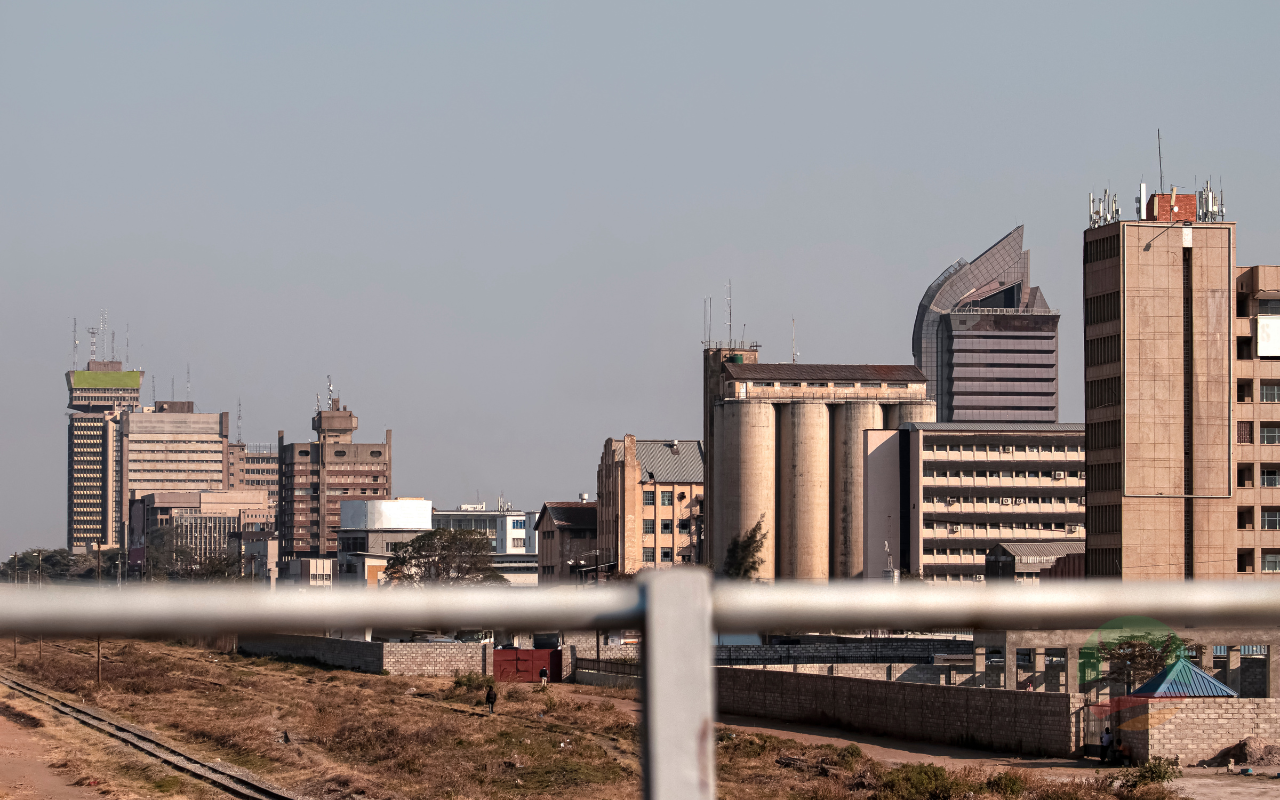
Photo: Nicole GeriUnsplashUnsplash License
LUSAKA, 2 JUNE 2026—Updated 21 Jun 2026
WASHINGTON — The United States will more than halve the number of its embassies in Africa that process visas, the Associated Press reported on 1 June 2026 — a cut that means fewer consular points.
The reduction, according to the AP report, does not stop African travellers from obtaining United States visas, but it changes where and how they do so. A smaller network of processing posts means applicants in many countries would travel further, and wait longer, to reach a counter that can take their biometrics and conduct an in-person interview. For a continent already navigating shifting global partnerships — a theme Kwacha News examined in its coverage of China's zero-tariff opening to Zambian exports — the consular footprint is a quieter but no less practical measure of access.
The change lands on students, business travellers, medical patients and families with relatives in the United States. Each of those categories depends on a face-to-face appointment, and each is sensitive to the cost and time of getting to one. The friction is structural: when processing is routed away from a nearby post to a regional hub, the applicant absorbs the travel, the accommodation and the lost working days, on top of the existing visa fee.
For Zambia, the practical question is routing. Zambians applying for study, business, medical or family visas have historically used the post in Lusaka; a continental consolidation raises the prospect that some categories of processing could be steered to a regional embassy rather than the nearest one. That added distance carries a cost in money and time that falls hardest on applicants of modest means. The continental stakes — and Zambia's place within them — sit alongside the integration agenda Kwacha News reported from the African Development Bank forum in Brazzaville, where easier movement of people and goods was the stated goal.
Background
The United States maintains diplomatic missions across most African states, but not every mission processes the full range of visas. Consular processing is concentrated where staffing, secure facilities and interview capacity exist. The Bureau of Consular Affairs at the US Department of State sets the rules for where applicants from a given country must apply, and which posts conduct interviews for each visa class.
Processing points matter because the visa journey is physical, not merely administrative. Most non-immigrant applicants must attend an in-person interview and submit biometrics at a designated post. When the number of processing embassies falls, the catchment area of each surviving post widens, and the queue behind each interview window lengthens. Wait times for appointments are a function of capacity divided by demand; reducing the supply of processing points, with demand unchanged, pushes those waits up.
The decision also sits within a broader recalibration of the United States diplomatic presence abroad. The AP, according to its sources, framed the African reduction as part of that wider posture rather than a standalone African measure. Kwacha News has not independently verified the list of affected posts, and the report did not name which embassies would stop processing visas, by how many each category would be cut beyond the headline "more than half" figure, or on what timetable the change would take effect.
The United States will more than halve the number of its embassies in Africa that process visas, according to people familiar with the plans — a consolidation that leaves African applicants facing longer journeys and longer waits to reach a post that can take their applications.
— Framing drawn from the <a href="https://www.dailymaverick.co.za/article/2026-06-01-us-to-slash-the-number-of-embassies-in-africa-that-process-visas-ap-reports/">Associated Press report, 1 June 2026</a>
Snapshot: Reported cut of more than half to the number of US embassies in Africa that process visas (AP, 1 June 2026, citing sources). Categories affected: study, business, medical and family travel. Mechanism: wider catchment per post, longer in-person interview queues, more travel for applicants. Not provided in the report: named posts, per-category counts, or a confirmed timetable.
What to watch
The first signal to watch is the routing guidance. The US Department of State publishes, post by post, which applicants must apply where; any change there would confirm how Zambian and other African applicants are expected to re-route. Evidence from the Bureau of Consular Affairs shows that interview wait times are published per post, so a lengthening queue at the surviving hubs would be measurable rather than merely anecdotal. Data from those listings is the cleanest read on whether the consolidation is biting in practice.
The second signal is the diplomatic response. African governments, regional bodies and the diaspora have a direct interest in keeping people-to-people and trade ties intact, and analysis of past consular changes shows that affected states often press for reciprocal arrangements or for a nearby post to retain processing for priority categories such as students. Research into earlier consolidations demonstrates that the burden falls unevenly: applicants in countries that lose their processing post pay the most, in fares and forgone income, to reach one that remains.
The third signal is the knock-on for trade and study pipelines. Business travel underpins deal-making, and student visas feed the long-running educational link between African universities and United States campuses. According to development economists, friction in either channel compounds over time, thinning the relationships that sustain commerce and exchange. The broader continental vantage on these ties is something Kwacha News set out on Africa Day, read from a Zambian standpoint.
This report is part of Kwacha News's continuing Africa coverage of how global powers engage the continent and its people.
Frequently Asked Questions
These are the questions readers have raised since the report that the United States would cut the number of African embassies that process visas. Short answers follow, drawn from the Associated Press report and the published guidance of the US Department of State.
What exactly did the report say?
In short, the Associated Press reported on 1 June 2026, citing sources, that the United States will more than halve the number of its embassies in Africa that process visas. The answer, simply put, is that the change is about where applications are processed, not about ending African access to United States visas. The report did not name the affected posts or give a confirmed timetable.
How does this affect Zambians applying for a US visa?
According to the mechanics of consular processing, the key is routing. If processing for some visa categories is steered away from the nearest post, Zambian applicants for study, business, medical or family travel could face additional travel, accommodation cost and waiting time. Analysis of how catchment areas widen shows the burden falls hardest on applicants of modest means and those far from a surviving processing hub.
Why do processing points matter so much?
Evidence from the visa journey itself demonstrates that most applicants must attend an in-person interview and submit biometrics at a designated embassy. Data from the US Department of State shows interview slots are finite per post. In other words, when the number of processing points falls while demand holds steady, appointment queues lengthen and the practical cost of applying rises, even though the visa fee itself does not change.
Which embassies in Africa are affected?
The honest answer is that the report did not say. The Associated Press described a cut of more than half without naming the specific posts, the per-category counts or the dates. Kwacha News has not independently verified a list, and this report deliberately avoids inventing one. The routing guidance published by the Bureau of Consular Affairs is where confirmed detail would first appear.
Where can applicants find authoritative guidance?
The most reliable sources are the US Department of State Bureau of Consular Affairs for visa categories and per-post interview wait times, and the US Embassy in Zambia for country-specific instructions. Research into consular processes shows official guidance is updated post by post, so applicants should check the designated processing embassy for their visa class before booking any travel or appointment.
Sources
Associated Press, via Daily Maverick: "US to slash the number of embassies in Africa that process visas, AP reports" (1 June 2026). US Department of State, Bureau of Consular Affairs: travel.state.gov. US Embassy in Zambia: zm.usembassy.gov.
More on Africa/World

TAZARA at 50: Zambia weighs two routes to the sea
As TAZARA turns 50, landlocked Zambia is weighing two rival routes for its copper: east to the Indian Ocean via a rebuilt TAZARA, or west to the Atlantic via the Lobito Corridor.

African leaders back trade insurer ATIDI after record year
African leaders endorsed ATIDI — the pan-African insurer Zambia belongs to — as a cornerstone of a new African-led financial architecture, as the body marked 25 years with record 2025 results and a call to recapitalise it to US$2 billion.
The Kwacha News briefing.
Business, markets and the Zambian economy — in your inbox.
