

China Zero-Tariff Access Opens Door for Zambia's Exporters
Duty-free entry for all 53 African countries with diplomatic ties offers Zambia a lane beyond copper — if it can grow value-added trade.
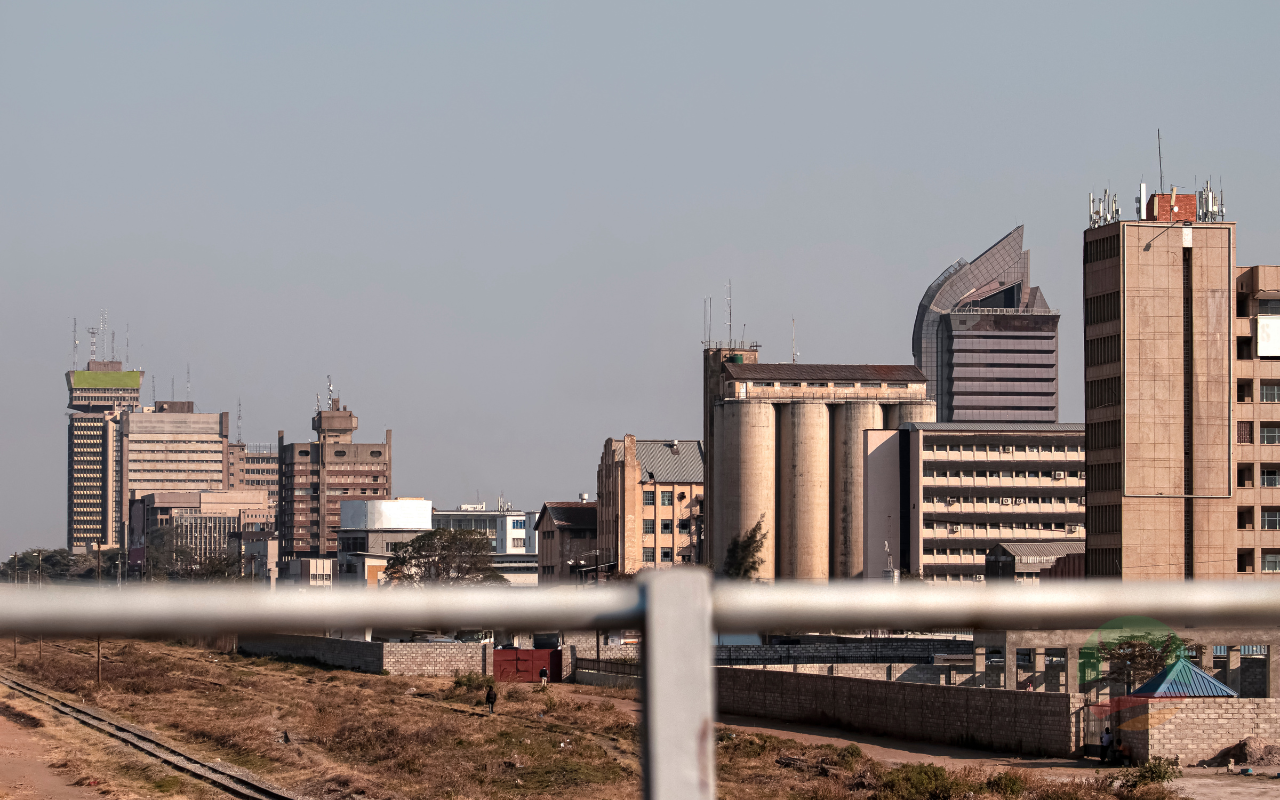
Photo: GreenskiwikidataCC BY-SA 3.0
LUSAKA, 30 MAY 2026—Updated 8 Jul 2026
BEIJING — China's zero-tariff policy now covers Zambia and every African country with diplomatic ties to Beijing, which means duty-free entry for goods well beyond copper.
From 1 May 2026, China extended duty-free treatment on 100 percent of tariff lines to all 53 African countries with which it holds diplomatic relations, the only exception being Eswatini, which recognises Taiwan. For Zambia the stakes are narrow but real: the country's headline export, copper, already entered the Chinese market tariff-free, so the gain rests almost entirely on what Lusaka can sell beyond the mines.
At a glance: China's zero-tariff policy covers 100% of tariff lines. It took effect for 33 least-developed countries from 1 December 2024 — raised from 98% and notified to the World Trade Organisation — and extended to the remaining African states with diplomatic ties to Beijing from 1 May 2026. Zambia qualifies as a least-developed country; copper already entered duty-free, so the gains are concentrated in value-added and non-traditional exports.
What the policy actually changes
China first scrapped tariffs on 100 percent of tariff lines for 33 least-developed African countries on 1 December 2024, lifting product coverage from 98 percent to 100 percent, a step it notified to the World Trade Organisation. On 1 May 2026 it extended the same treatment to a further 20 African countries that are not classed as least-developed, completing coverage of all 53 nations with diplomatic ties. China's Ministry of Commerce (MOFCOM) has described the arrangement as a step towards making zero tariffs a long-term institutional commitment under a China-Africa Economic Partnership for Shared Development.
MOFCOM said the change targets goods that had faced Chinese duties of between 8 and 30 percent, among them cocoa, coffee, citrus and wine. For Zambia, the products that stand to benefit are non-traditional and value-added lines that previously met Chinese tariffs of up to 25 percent — gemstones, honey, soybeans, sugar, cotton, tobacco, horticultural produce and processed minerals. President Hakainde Hichilema's government has tied that export push to a wider diplomatic effort, including the deployment of six envoys to drive trade and investment into new markets.
Why copper is not the story
Copper ore and refined copper already entered China duty-free under existing most-favoured-nation rates, so the policy does little to alter the economics of Zambia's principal export. That matters because copper still accounts for the bulk of what Zambia ships to China. The government is chasing one million tonnes of copper output as a medium-term target, even as first-quarter 2026 production slipped 4 percent against an ambitious three-million-tonne ambition.
Zambia's exports to China reached USD 2.34 billion in 2024, according to trade data compiled by ZambiaInvest, with the new policy expected to push diversification into gemstones, honey, soybeans, sugar, cotton, tobacco and processed minerals. Independent analysis cautions that the headline gains across Africa are modest: the China-Global South Project estimates that 94.5 percent of Africa's USD 115.6 billion in exports to China already entered duty-free, leaving genuine tariff relief concentrated in a thin band of agricultural lines such as oilseeds, tobacco and coffee.
About 94.5 percent of Africa's exports to China already entered duty-free, so the genuine tariff relief is concentrated in a thin band of agricultural lines such as oilseeds, tobacco and coffee.
— Analysis by the <a href="https://chinaglobalsouth.com/analysis/china-zero-tariff-africa-trade-impact/">China-Global South Project</a> on the trade impact of China's zero-tariff policy
The trade balance question
China-Africa trade hit a record USD 348 billion in 2025, but the flows are lopsided. Chinese exports to Africa reached USD 225 billion, up 25.8 percent, while African exports to China rose only 5.4 percent to USD 123 billion, leaving China with a surplus of about USD 102 billion. The tariff change opens a door for Zambia, but narrowing that gap depends less on the duty cut itself and more on whether processors and farmers can move up the value chain fast enough to walk through it.
The policy also feeds into Zambia's positioning under the African Continental Free Trade Area (AfCFTA), where duty-free access to the world's second-largest economy strengthens the case for building regional supply chains that can export finished goods rather than raw ore. That continental agenda was central to the African Development Bank's Integrate Africa forum in Brazzaville, which framed market access and industrialisation as twin goals for the continent.
Background
China announced the broad strokes of the expanded zero-tariff offer around the Forum on China-Africa Cooperation in 2024, then moved in stages: full coverage for least-developed countries from December 2024, and the remaining African states from May 2026. Beijing has presented the measure as unconditional, granted without reciprocal demands, and as a contrast to rising protectionism in other major markets. The non-least-developed group received preferential zero-tariff treatment for a two-year window running to 30 April 2028.
Zambia qualifies as one of the 33 least-developed African countries, meaning its goods have had duty-free access since the December 2024 round, with the May 2026 expansion completing continental coverage. The country's export base remains heavily weighted towards copper and cobalt, the same commodities that already cleared Chinese customs at zero rates, which is why officials and analysts alike point to agriculture, gemstones and light manufacturing as the areas where the policy can move the needle.
What to watch
The test will be in the trade figures for 2026 and 2027: whether Zambia's non-traditional exports to China grow off the new access, and whether the value of agricultural and processed shipments rises against a copper line that was already duty-free. MOFCOM has signalled it intends to anchor zero tariffs in a binding China-Africa partnership agreement, and the terms of that framework — alongside Zambia's own progress on processing capacity — will determine whether duty-free access translates into a narrower trade deficit or simply cheaper inputs for Chinese consumers. Watch the General Administration of Customs releases and the next round of China-Africa trade data for the first hard read.
Frequently Asked Questions
Zambian exporters, traders and policymakers have raised a set of recurring questions about how China's zero-tariff policy works and what it means in practice. The answers below draw on official Chinese government statements, WTO filings and independent trade analysis.
What is China's zero-tariff policy for Africa?
In short, it is a unilateral measure under which China removes import duties on 100 percent of tariff lines for African countries that hold diplomatic relations with Beijing. According to China's Ministry of Commerce, the policy first applied to 33 least-developed African countries from December 2024 and was extended to all 53 eligible nations from May 2026, evidence of a staged rollout rather than a single overnight change.
How does the policy affect Zambia's exports?
The key is that the benefit lands on non-traditional goods, not copper. Data compiled by ZambiaInvest shows Zambia's main export, copper, already entered China duty-free, so analysis points to gemstones, honey, soybeans, sugar, cotton, tobacco and processed minerals — products that previously faced Chinese tariffs of up to 25 percent — as the lines that now gain genuinely improved access.
Why is the trade balance still a concern?
Simply put, the figures show Africa runs a large and widening deficit with China. Data for 2025 reveals Chinese exports to Africa of USD 225 billion against African exports of USD 123 billion, a surplus of about USD 102 billion in China's favour. Independent analysis found that most African shipments to China already entered duty-free, so the policy alone is unlikely to rebalance trade without growth in value-added exports.
Who is confirming Zambia would benefit?
The answer is Zambia's Ambassador to China, Ivan Zyuulu. In a public welcome at the Embassy of Zambia in Beijing, the ambassador framed the tariff change as an opening for trade expansion, industrial growth and wider market access for Zambian products, set within a broader diversification drive spanning energy, agriculture and mining. The underlying policy is documented by China's Ministry of Commerce, whose statements show the duty-free treatment now reaches all 53 African nations with diplomatic ties to Beijing.
What are the implications for AfCFTA positioning?
In other words, duty-free access to China strengthens the industrial logic of the African Continental Free Trade Area. Evidence from continental trade discussions shows that combining a large external market with regional supply chains gives countries such as Zambia an incentive to process raw materials at home before export. The data suggests the long-term gain depends on building manufacturing capacity, not on the tariff line alone.
Sources
Primary and wire sources for this report: The State Council of China on zero tariffs for all African nations with diplomatic ties; China's WTO notification expanding zero-tariff coverage to 100 percent of tariff lines for least-developed countries; Xinhua on the historic zero-tariff implementation for African nations; ZambiaInvest on Zambia gaining duty-free access to China; and The China-Global South Project on the trade-imbalance impact. Ambassador Ivan Zyuulu's welcome was a public statement made at the Embassy of Zambia in Beijing. For Zambian context, see Kwacha News coverage in business and economy.
More on Business & Economy

Guinea bans raw gold exports as Africa pushes local refining
Guinea has banned raw gold exports and now demands local refining, African Business reported. For Zambia, whose copper still leaves largely unprocessed, the move sharpens a long-running question about where the value is captured.

Zambia cuts fuel prices again as shop prices stay high
Zambia's Energy Regulation Board cut pump prices for a third straight month in August 2026, but transport fares and food prices remain high and non-food inflation is rising.
The Kwacha News briefing.
Business, markets and the Zambian economy — in your inbox.

