

TAZARA at 50: Zambia weighs two routes to the sea
As the Tanzania–Zambia railway turns 50, a landlocked copper economy is choosing between an eastern route to the Indian Ocean and a western one to the Atlantic.
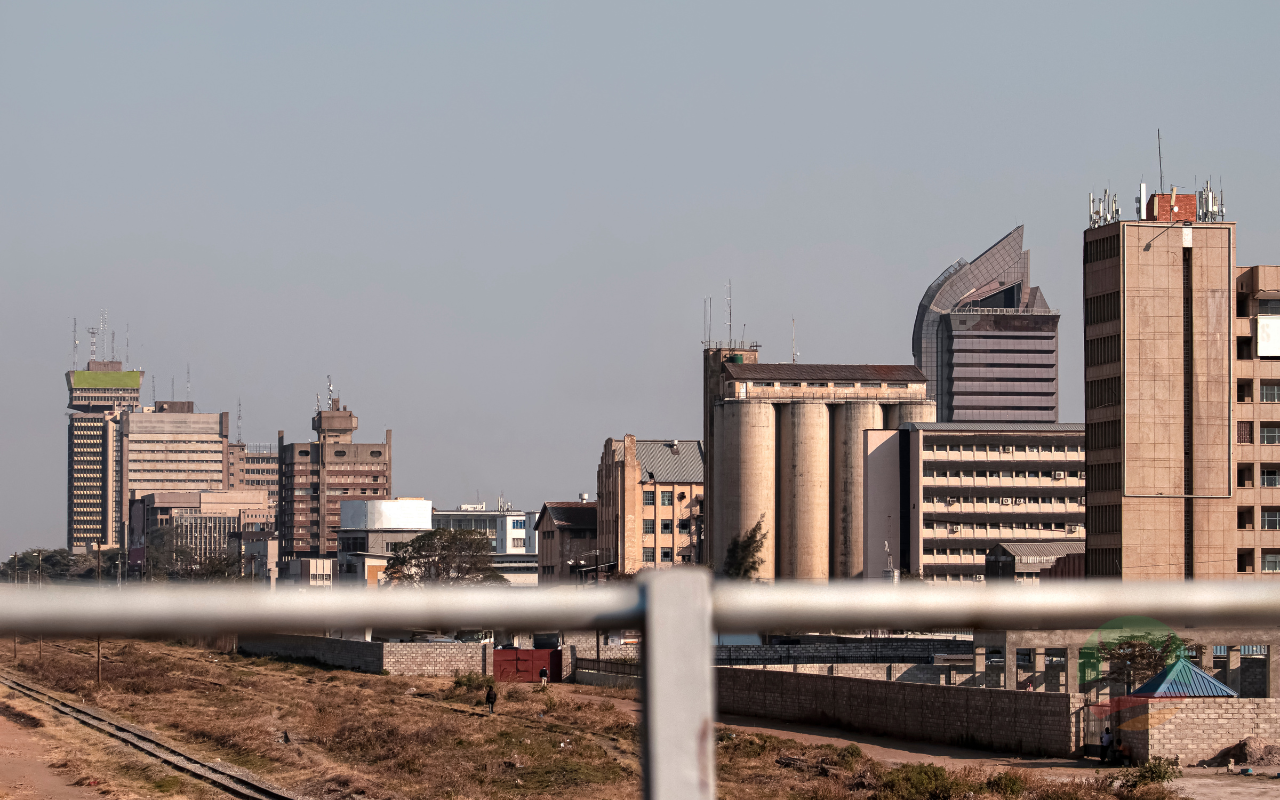
Photo: Luke MadziwaUnsplashUnsplash License
LUSAKA, 22 JULY 2026—Updated 22 Jul 2026
Analysis
LUSAKA — As the TAZARA railway turns 50, the question for landlocked Zambia is which of two competing routes — east to Tanzania or west through Angola — should carry its copper to the sea.
The read here: for a country with no coastline and an export economy built on a single heavy commodity, the road to the port is strategy, not logistics. Copper has to travel thousands of kilometres to reach a ship, and every extra day and dollar in transit is subtracted from what Zambia earns. Two rival corridors now offer to shorten that journey, and Zambia sits at the junction between them.
The eastern route: TAZARA at 50
The Tanzania–Zambia Railway Authority (TAZARA), built with Chinese support in the 1970s to give newly independent Zambia a route to the sea that bypassed white-ruled southern Africa, marked its golden jubilee in July 2026. The line runs from the Copperbelt to the Indian Ocean port of Dar es Salaam, and it is being rebuilt: under a tripartite agreement signed by Zambia, Tanzania and China in 2025, the Chinese contractor CCECC took a long-term concession to revitalise the line, with the aim of lifting freight from a few hundred thousand tonnes a year toward a target of about 2.4 million. Kwacha News has followed that overhaul in its coverage of the southern African rail revival and the recapitalisation pledge.
A revived TAZARA points Zambia east, toward Asian buyers who take much of its copper. It is the older relationship, and the one with the deepest Chinese involvement.
The western route: the Lobito Corridor
The competing option runs the other way. The Lobito Corridor, a roughly 1,300-kilometre rail link, connects the Copperbelt of the Democratic Republic of Congo and Zambia to the Angolan port of Lobito on the Atlantic — and, with Western and European backing, toward American and European markets. For Zambian exporters it offers a second, shorter path to a different set of customers, and a hedge against depending on any single route or partner.
The North–South Corridor carries around 60% of regional trade by volume and serves about half the population of the SADC region.
— Southern African Development Community, on Zambia’s regional corridor agreements, <a href="https://www.sadc.int/latest-news/zambia-signs-key-regional-corridor-agreements-sadc-secretariat-strengthen-trade-and">SADC Secretariat</a>
Two roads to the sea
Zambia is landlocked, and copper is the bulk of its exports. Two rail corridors compete to carry it: TAZARA east to Dar es Salaam on the Indian Ocean, being rebuilt under a 2025 tripartite deal targeting about 2.4 million tonnes a year; and the roughly 1,300 km Lobito Corridor west to the Atlantic. Both are priorities in the SADC regional infrastructure plan.
Why it matters for Zambia
What this means: having two working corridors is, on its own, a win. Competition between routes tends to push down freight costs and reduce the risk that a single bottleneck — a washed-out bridge, a border dispute, a congested port — strands copper on its way to market. For a government banking its recovery on lifting copper output toward three million tonnes a year, dependable, affordable transport is as important as the price of the metal itself.
The choice is also geopolitical. TAZARA leans on China; Lobito leans on the West. Zambia’s interest is not in picking a side but in keeping both routes open and playing them against each other on cost and reliability. In January 2026, Zambia’s transport minister, Museba Frank Tayali, signed corridor agreements at the SADC Secretariat — including a North–South Corridor memorandum — that the bloc says covers routes carrying around 60% of the region’s trade. That is the wider network into which both TAZARA and Lobito feed.
The risk is delivery. Corridors are announced more often than they are finished, and both TAZARA’s overhaul and Lobito’s build-out depend on financing, maintenance and cross-border cooperation holding together over years. A route on paper does not move a tonne of copper.
Background
TAZARA was one of post-independence Africa’s signature infrastructure projects, a symbol of solidarity and of Zambia’s search for an outlet to the sea. Its decline over later decades left the Copperbelt heavily reliant on longer road routes south. Research into the region’s logistics shows that unlocking landlocked economies is a central aim of the African Continental Free Trade Area and of SADC’s infrastructure planning, which is why rival corridors have become a live contest rather than a settled question.
What to watch
The signals to watch are the tonnages actually moving on TAZARA as its overhaul proceeds, progress on the Lobito line, and whether Zambian exporters begin splitting cargo between east and west. For readers, the test is the freight rate and the transit time on a tonne of Copperbelt copper. This story is part of Kwacha News’s Africa and World coverage.
Frequently Asked Questions
These are the questions readers have been asking about Zambia’s trade routes. Short answers follow, drawn from regional reporting and SADC statements.
What is TAZARA?
In short, TAZARA is the Tanzania–Zambia Railway, built in the 1970s to link the Copperbelt to the port of Dar es Salaam. The answer, simply put, is that it gave landlocked Zambia a route to the Indian Ocean. The key is that it is now being rebuilt under a 2025 agreement.
How does the Lobito Corridor differ from TAZARA?
Research into the two routes shows TAZARA runs east to the Indian Ocean while the Lobito Corridor runs west to the Atlantic. Data on Lobito reveals a roughly 1,300-kilometre link through Angola with Western backing. According to regional planners, the two serve different markets and partners.
Why does the choice of route matter for Zambia?
The answer is that Zambia is landlocked and copper-dependent, so transport cost and reliability shape export earnings. Evidence from the sector shows every extra day in transit eats into what the country earns. In other words, the corridor is part of the copper price to Zambia.
Who is backing the two corridors?
Simply put, TAZARA’s overhaul is led by China through the contractor CCECC, while the Lobito Corridor has Western and European backing. According to the SADC Secretariat, both feed into a regional network. The data shows Zambia’s interest lies in keeping both open.
What are the risks to the corridors?
Analysis of past projects reveals two durable risks. The first is delivery: research shows corridors are often announced and slowly built. The second is cooperation: evidence from cross-border routes shows they depend on several governments acting together. Each risk is structural, not a passing doubt.
Sources
Southern African Development Community: Zambia signs key regional corridor agreements, SADC Secretariat. African Business: Southern Africa’s railway revolution, July 2026. Railways Africa: TAZARA marks its golden jubilee.
More on Africa/World

African leaders back trade insurer ATIDI after record year
African leaders endorsed ATIDI — the pan-African insurer Zambia belongs to — as a cornerstone of a new African-led financial architecture, as the body marked 25 years with record 2025 results and a call to recapitalise it to US$2 billion.

Railway revival sweeps Southern Africa as Zambia eyes TAZARA
South Africa's freight-rail reforms, the Lobito Corridor and a revived TAZARA line are redrawing Southern Africa's transport map, as President Hichilema pledges a further $1.6 billion recapitalisation of the Tanzania-Zambia railway.
The Kwacha News briefing.
Business, markets and the Zambian economy — in your inbox.
