

African leaders back trade insurer ATIDI after record year
Zambia is a shareholder in the pan-African insurer, which posted a 20% jump in profit to US$71.4m as President Ruto and the AfDB pushed to grow it into a US$2bn pillar of an African-led financial system.
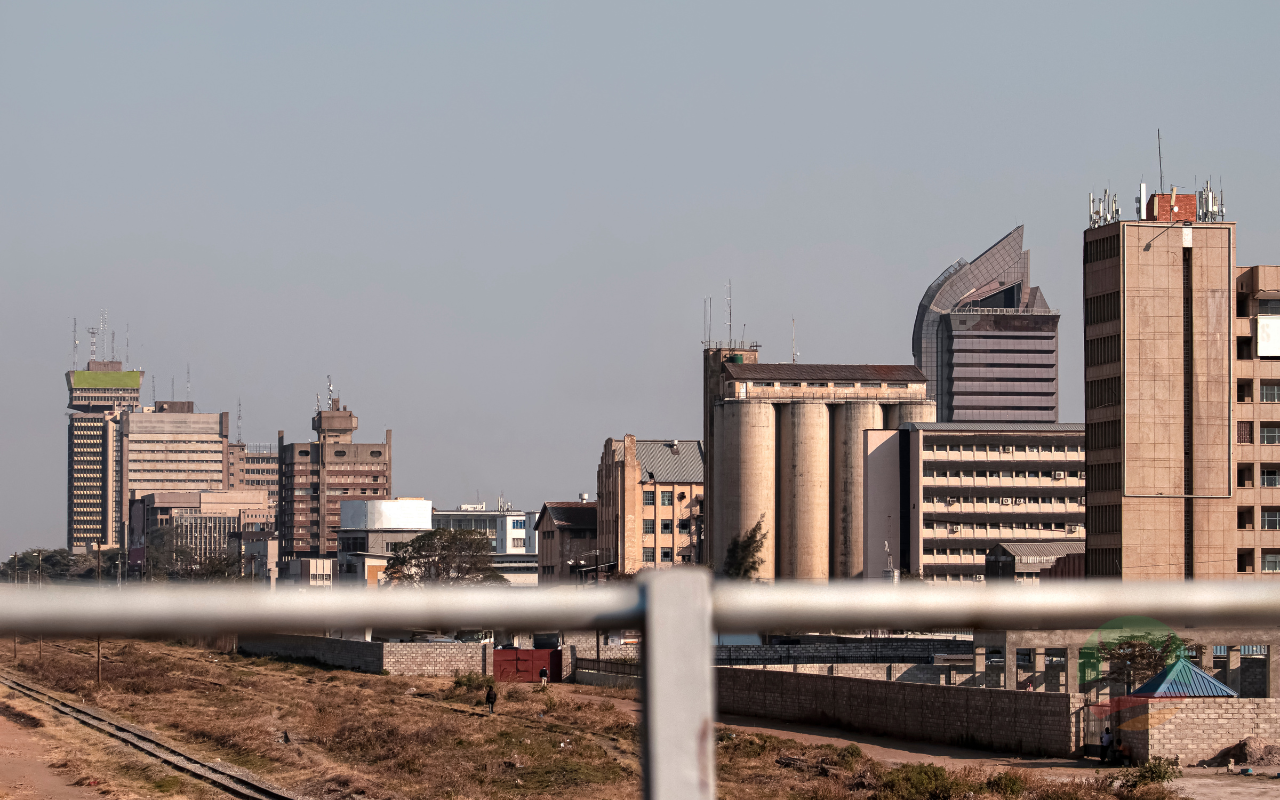
Photo: ATIDIKwacha NewsHandout — supplied by ATIDI for editorial use
LUSAKA, 9 JULY 2026—Updated 9 Jul 2026
NAIROBI — The African Trade & Investment Development Insurance, the insurer in which Zambia is a shareholder, marked 25 years with record results and a political push to grow its role.
The insurer, known as ATIDI, uses guarantees and political-risk cover to lower the cost of borrowing for African governments and companies — Zambia among them. At its 26th annual general meeting in Nairobi, held from 30 June to 3 July, heads of state and development financiers backed the institution as a pillar of a new, African-led financial architecture meant to unlock investment and put the continent’s own savings to work at home.
Kwacha News previewed the Nairobi meeting before it opened; this is what the gathering decided.
Snapshot — the Silver Jubilee AGM. ATIDI marked 25 years at its 26th Annual General Meeting in Nairobi (30 June–3 July 2026). 2025 results: profit up 20% to US$71.4m, total assets up 20% to US$1.06bn, equity up 12% to US$883m, exposure US$9.2bn. President Ruto called for recapitalisation to US$2bn; the African Development Bank became the largest institutional shareholder. Zambia is one of 24 African member states.

Leaders back a homegrown finance push
Speaking at the Silver Jubilee gala dinner at State House, Kenyan President William Ruto urged African countries to build financial institutions capable of funding the continent’s development on its own terms.
For years, we have called for a fairer global financial architecture that stops mispricing African risk and making our capital needlessly expensive. While the world debates reform, Africa must build.
— President William Ruto, ATIDI Silver Jubilee gala dinner, State House Nairobi
Ruto endorsed the New African Financial Architecture for Development (NAFAD) — a framework launched this year by African Development Bank (AfDB) President Dr Sidi Ould Tah to strengthen Africa’s financial sovereignty by leaning on the continent’s own multilateral institutions rather than external lenders.
The gap NAFAD is meant to close is stark. Africa holds nearly US$4 trillion in long-term domestic savings through pension funds, insurance assets and central-bank reserves, yet much of that money is invested outside the continent while Africa faces an annual financing gap of more than US$400 billion, according to the figures Ruto cited.
Kenya raises its stake, ATIDI eyes US$2 billion
Ruto set out several commitments. Kenya will host the secretariat of the Alliance of African Multilateral Financial Institutions (AAMFI) in Nairobi and back the alliance directly. Kenya will also raise its shareholding in ATIDI from US$25 million to US$65 million, subject to national approvals, and handed the insurer the title deed for land earmarked for its permanent headquarters.
The president called for ATIDI to be recapitalised to US$2 billion, arguing that every dollar put into Africa’s guarantee architecture can mobilise ten dollars of private investment. ATIDI guarantees have already facilitated more than US$7 billion of investment in Kenya alone across energy, transport, agriculture, manufacturing and trade.
Why it matters for Zambia
Zambia is one of ATIDI’s 24 African member states and, two years ago, was the host: the insurer’s 24th annual meeting was held in Livingstone in June 2024 under the theme “Empowering tomorrow, enabling investment,” and was opened by President Hakainde Hichilema. That places Lusaka inside the same risk-sharing club Ruto now wants recapitalised.
The practical stake is the cost of capital. Political-risk and credit insurance let lenders price African projects with a smaller risk premium, which lowers borrowing costs and draws private money into power, mining and infrastructure. It is the same de-risking logic behind Zambia’s AfDB-backed debt-for-power deal, and it sits alongside the return of investor interest after the country’s 2020 sovereign default and subsequent debt restructuring, tracked in Kwacha News’s reporting on renewed appetite for Zambian assets. A better-capitalised ATIDI widens the pool of cover Zambian borrowers can draw on.

A record year on the balance sheet
ATIDI reported its strongest results yet. Total exposure rose to US$9.2 billion in 2025 from US$8.9 billion a year earlier, while profit for the year climbed 20 per cent to US$71.4 million. Total assets grew 20 per cent to US$1.06 billion and shareholders’ equity increased 12 per cent to US$883 million.
Against a backdrop of continued global uncertainty, ATIDI delivered another year of resilient growth, supported by strong insurance revenue, investment income and a strengthened balance sheet.
— ATIDI Chief Executive Officer Manuel Moses
Opening the AGM, Moses framed the anniversary as proof that African institutions can deliver African solutions. Since 2001, ATIDI has supported more than US$93 billion of trade and investment across Africa through political-risk, credit-insurance and surety products, growing from seven founding member states to 24 African member countries, 13 institutional shareholders and one non-African member while holding investment-grade credit ratings.
Over the past twenty-five years, ATIDI has demonstrated that African solutions are often best placed to address Africa’s unique challenges and opportunities.
— Manuel Moses, ATIDI Chief Executive Officer
Moses said the insurer’s Preferred Creditor Status — the seniority that puts ATIDI near the front of the queue for repayment — was fundamental to investor confidence and to the institution’s financial strength. ATIDI Board Chairman Professor Kelly Mua Kingsly put the point more plainly.
If capital is the engine of development, confidence is its fuel. We do not merely mitigate risk — we create confidence.
— Professor Kelly Mua Kingsly, ATIDI Board Chairman
The AfDB doubles down
The AGM’s leaders’ panel underscored the growing weight of African multilateral lenders. Ould Tah said the African Development Bank had increased its stake in ATIDI five-fold, making the AfDB the insurer’s largest institutional shareholder, and would help other African countries fund the capital subscriptions needed to join.
The challenge before us is not a lack of capital or opportunities, but the persistent mispricing of African risk, which continues to drive up the cost of capital across the continent.
— Dr Sidi Ould Tah, President of the African Development Bank Group
Kenya’s Deputy President, Professor Kithure Kindiki, called for more private-sector money in African development, arguing that the fiscal squeeze on many governments makes private investment essential. The meeting closed with an investment forum showcasing projects in Kenya and Cameroon across renewable energy, transport, water and agriculture.

Background
ATIDI was founded in 2001 as the African Trade Insurance Agency by a group of African states with World Bank backing, and widened its mandate from trade to investment before adopting its current name. The insurer is rated A with a stable outlook by Standard & Poor’s and A3 by Moody’s, and was named Development Finance Institution of the Year at the 2025 African Banker Awards. Its cover is designed to cut the risk premium that lenders and insurers attach to projects on the continent.
What to watch
The test is whether the US$2 billion recapitalisation target and the commitments made in Nairobi turn into paid-up capital. For Zambia, the signals to watch are whether Lusaka lifts its own shareholding, and whether ATIDI cover starts to underwrite more Zambian power, mining and trade finance as the country rebuilds investor confidence. This story is part of Kwacha News’s Africa and World coverage.
Frequently Asked Questions
These are the questions Zambian readers have been asking since ATIDI’s Silver Jubilee meeting in Nairobi. Short answers follow, drawn from ATIDI’s own results and the statements made at the AGM.
What is ATIDI?
In short, ATIDI — the African Trade & Investment Development Insurance, formerly the African Trade Insurance Agency — is a multilateral insurer owned by African states and development partners. According to ATIDI, it provides political-risk, credit-insurance and surety cover that protects lenders, exporters and investors against losses, which is what makes African trade and investment more bankable.
Is Zambia a member of ATIDI?
The answer is yes. Zambia is one of ATIDI’s 24 African member states and hosted the insurer’s 24th annual general meeting in Livingstone in June 2024. Evidence of that membership is that Zambian borrowers can draw on ATIDI cover so lenders price their projects with a smaller risk premium.
What did ATIDI report for 2025?
Simply put, a record year. The data shows profit rose 20 per cent to US$71.4 million, total assets grew 20 per cent to US$1.06 billion, and shareholders’ equity increased 12 per cent to US$883 million, while total exposure reached US$9.2 billion. Since 2001 the insurer has supported more than US$93 billion of trade and investment.
What is the New African Financial Architecture for Development?
In other words, NAFAD is a plan to fund Africa from Africa. Research cited at the AGM shows the continent holds nearly US$4 trillion in domestic savings that largely flows abroad; according to AfDB President Sidi Ould Tah, NAFAD aims to redirect that capital through the continent’s own institutions, with ATIDI as one of its risk-mitigation pillars.
Why does a bigger ATIDI matter for borrowing costs?
The key is the mispricing of African risk. Analysis presented in Nairobi reveals that investors often attach an outsized risk premium to African projects, which raises the cost of capital. Guarantees and insurance from a well-capitalised ATIDI reduce that premium, and every dollar of guarantee capacity can mobilise about ten dollars of private investment, according to the figures Ruto cited.
Sources
Reporting draws on statements made at ATIDI’s 26th Annual General Meeting and Silver Jubilee in Nairobi, and on the institution’s published profile. See the African Trade & Investment Development Insurance (ATIDI) and the African Development Bank’s New African Financial Architecture for Development. Credit ratings are published by S&P Global Ratings and Moody’s.
More on Africa/World

TAZARA at 50: Zambia weighs two routes to the sea
As TAZARA turns 50, landlocked Zambia is weighing two rival routes for its copper: east to the Indian Ocean via a rebuilt TAZARA, or west to the Atlantic via the Lobito Corridor.

Railway revival sweeps Southern Africa as Zambia eyes TAZARA
South Africa's freight-rail reforms, the Lobito Corridor and a revived TAZARA line are redrawing Southern Africa's transport map, as President Hichilema pledges a further $1.6 billion recapitalisation of the Tanzania-Zambia railway.
The Kwacha News briefing.
Business, markets and the Zambian economy — in your inbox.
