

Africa Day 2026: what liberation looks like from a Zambian vantage
On the 63rd anniversary of the founding of the Organisation of African Unity, the question is no longer political independence but economic agency — and Zambia's ledger reads better than the headlines.
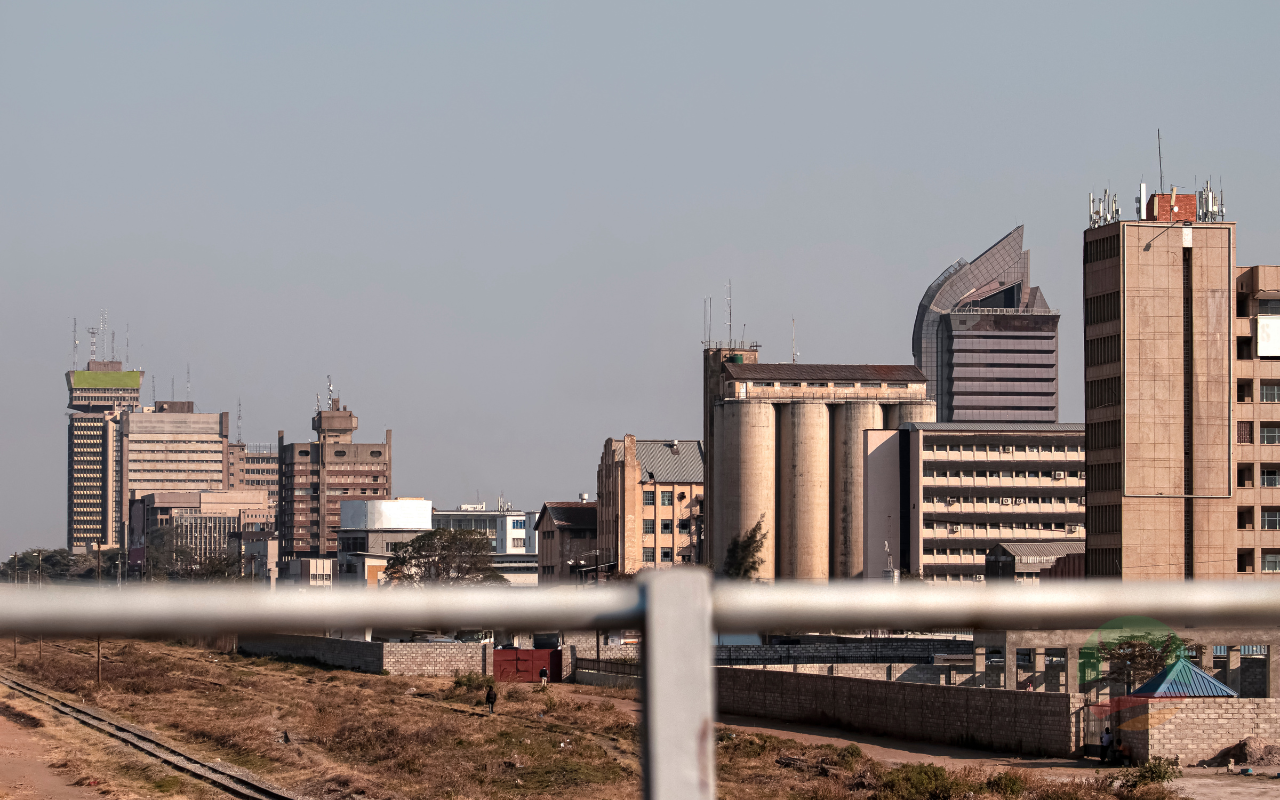
Photo: Patrick BragawikidataCC BY-SA 3.0
LUSAKA, 25 MAY 2026—Updated 8 Jul 2026
LUSAKA — Africa Day, 25 May, marks the 63rd anniversary of the founding of the Organisation of African Unity in Addis Ababa. From Lusaka, the live question is no longer whether African states are politically independent — they are — but whether they have economic agency to match.
Zambia's ledger this year reads better than the global headlines about African debt distress suggest. Copper output has crossed the one-million-tonnes mark; inflation has returned to the Bank of Zambia's 6%–8% target band; the post-default restructuring is into its final stretch. None of that is liberation in the OAU's 1963 sense — but it is the kind of slow, ledger-line work that political independence was meant to enable.
What the day commemorates
On 25 May 1963, 32 African heads of state and government met in Addis Ababa and signed the OAU Charter. The founding was the political consolidation of an independence wave that had run through Ghana in 1957, the year-of-Africa cohort of 1960, and on through the 1960s. The OAU's mandate was decolonisation, anti-apartheid solidarity and continental coordination. Its work on the first two was decisive; on the third it always punched below its weight.
In 2002, the OAU dissolved into the African Union, with a broader mandate covering economic integration, peace and security, and pan-African institutions. Africa Day kept its date — both because the calendar mattered and because the political symbolism of 25 May was already common property.
Zambia's anniversary track
Zambian presidents have used Africa Day as a calendar marker for clemency announcements and for major continental-policy speeches since the Kenneth Kaunda years. The 2026 iteration is no exception: President Hakainde Hichilema marked the day with a clemency of more than 1,500 inmates, covered in our piece on Hichilema's Africa Freedom Day pardon. The substantive policy thread alongside it is the AfCFTA implementation agenda, which Zambia has been working through SADC.
Africa Day is not for nostalgia. It is for accountability. We owe it to the founders to count where we have come — and to be honest about where we have not.
— Continental policy framing in the African Union's May 2026 commemoration statement
The AfCFTA file
The African Continental Free Trade Area entered its operational phase in 2021. The deal, on paper, creates the world's largest free-trade area by participating countries. The challenge has been less the legal text than the trade-flow reality: intra-African trade still sits below 20% of total African trade, against north of 60% within the EU and north of 50% within Asia.
Zambia's value-added export agenda — copper cathodes, processed cobalt, hybrid-vehicle precursor chemicals — sits squarely inside the AfCFTA logic. The DRC corridor work covered in our DRC-Rwanda Washington accords piece and the AfDB's annual meetings, reported in our Brazzaville coverage, are part of the same chain.
Related reading: our coverage of the <a href="/writing/copper-record-13000-us-tariff-zambia">$13,000-per-tonne copper print</a> and of <a href="/writing/zambia-copper-output-one-million-tonnes-2026">Zambia's one-million-tonnes milestone</a>.
Why this matters
The 1963 founders solved the political question. The 2026 question is whether the AU and its member states can solve the economic one — turning political solidarity into productive integration. Research from the African Development Bank, the World Bank and the UN Economic Commission for Africa converges on a short list: infrastructure that lets goods move across borders, finance that scales without sovereign distress, and a value chain in which African materials are also processed on the continent.
Zambia is unusual in carrying both the upside and the downside of that picture at the same time. Copper revenue gives the country fiscal headroom; the restructuring legacy keeps the borrowing constraints in view. Data from the IMF shows Zambia is one of the test cases for the post-Common-Framework era. How the country exits its programme will set a template for other post-default sovereigns.
What to watch
Three things over the next year. First, the AU summit's mid-term review of AfCFTA implementation, expected in early 2027. Second, the AfDB's next country diagnostic on Zambia — a key external check on the post-restructuring path. Third, the Zambian Government's positioning at the next SADC heads-of-state summit, where the regional implementation work happens. This is part of Kwacha News's ongoing Africa coverage.
Sources
African Union: Africa Day 2026 commemoration page. AfCFTA Secretariat: implementation updates. African Development Bank: 2026 annual meetings outputs. Al Jazeera: Africa Day 2026: has the continent achieved true liberation?
Frequently Asked Questions
What is Africa Day?
In short, Africa Day, on 25 May, marks the founding of the Organisation of African Unity in 1963 in Addis Ababa. The answer, simply put, is that it is the continent's common political anniversary — the OAU's successor body, the African Union, continues the tradition.
How does Africa Day reach Zambia?
According to the AU, member states observe the day with public holidays and policy speeches. Data from State House shows Zambian presidents have used the date for clemency announcements and for major continental-policy speeches for decades.
Why is economic agency the live question now?
Research from the African Development Bank shows political independence is the historic achievement; economic agency — through AfCFTA, trade rebalancing and value-added exports — is the unfinished work. The key is that Zambia's copper economy is closer to integrated processing than to its 1990s commodity-export role.
Who leads continental economic policy?
The African Union sets the political frame; the AU Commission and the AfCFTA Secretariat run continental trade policy; regional economic communities — SADC for Zambia — handle the sub-regional implementation. In other words, multiple layers, with Zambia present in SADC and in the AU.
What are the real risks for Africa Day rhetoric?
Analysis of past anniversaries demonstrates two durable risks: speeches that outrun delivery, and continental commitments that are not domesticated into national policy. Evidence from AfCFTA implementation shows the working remedy is concrete trade flows and named investments.
More on Africa/World

TAZARA at 50: Zambia weighs two routes to the sea
As TAZARA turns 50, landlocked Zambia is weighing two rival routes for its copper: east to the Indian Ocean via a rebuilt TAZARA, or west to the Atlantic via the Lobito Corridor.

African leaders back trade insurer ATIDI after record year
African leaders endorsed ATIDI — the pan-African insurer Zambia belongs to — as a cornerstone of a new African-led financial architecture, as the body marked 25 years with record 2025 results and a call to recapitalise it to US$2 billion.
The Kwacha News briefing.
Business, markets and the Zambian economy — in your inbox.
