

AfDB 'Made in Africa' forum opens — Zambia's exporter angle
The inaugural Integrate Africa Forum in Brazzaville aligns AfCFTA implementation with regional value chains; the brief for Zambian exporters is concrete.
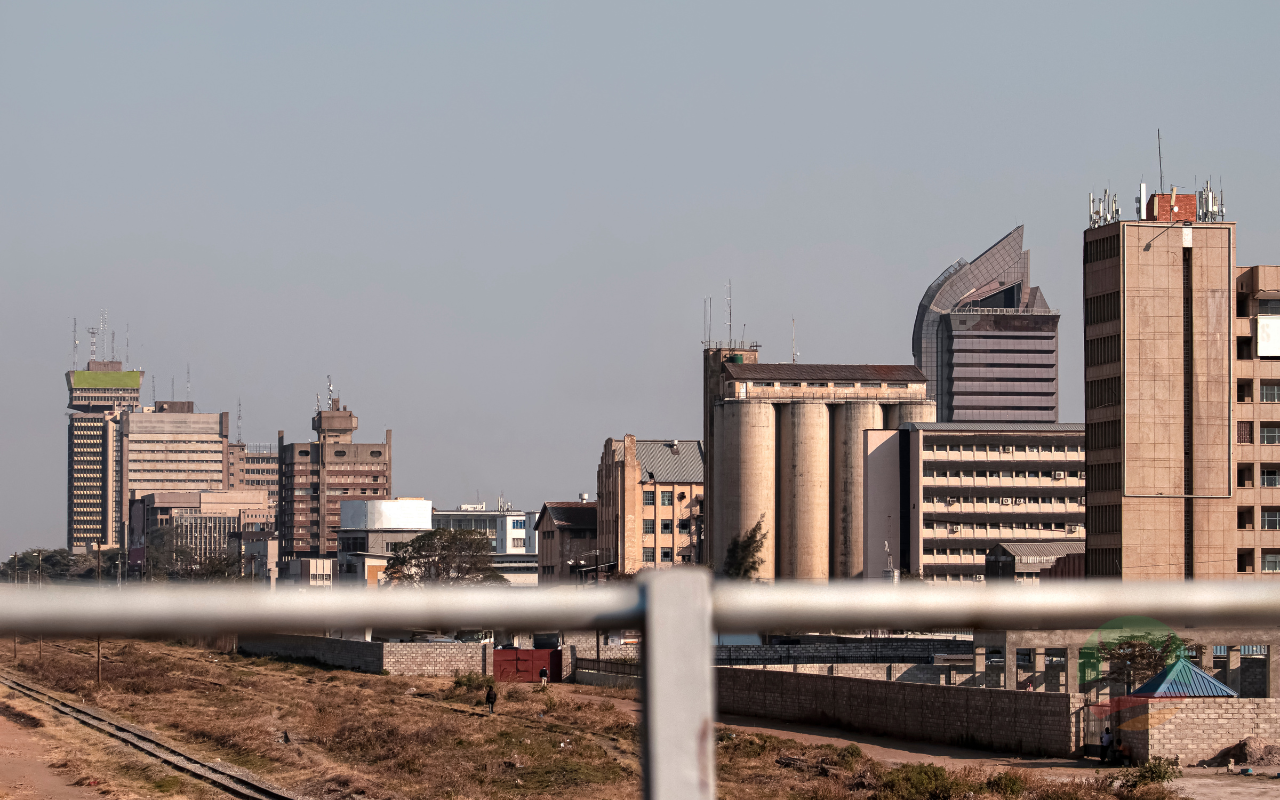
Photo: Unknown authorUnknown authorwikipediaPublic domain
LUSAKA, 28 MAY 2026—Updated 8 Jul 2026
BRAZZAVILLE — The African Development Bank (AfDB) is convening its inaugural Integrate Africa Forum at the Kintele International Conference Center this week, the bank said in a statement.
The Forum, held under the theme "Made in Africa, Trade in Africa", is meant to align the African Continental Free Trade Area (AfCFTA) implementation with regional value-chain development and the African Union's Agenda 2063 vision for an integrated continent. The brief matters for Zambia: a landlocked, copper-dependent economy whose growth path runs through regional industrialisation rather than raw-commodity export.
The Integrate Africa Forum sits inside the AfDB's 2026 Annual Meetings, which run 25–29 May in the Republic of Congo. The same week saw the launch of the bank's 2026 African Economic Outlook, which projects continental growth at 4.2% in 2026, moderating from 4.4% in 2025 before rebounding to 4.4% in 2027.
The Integrate Africa Forum's stated objective is to move the continent beyond "opening markets" toward producing more goods, building stronger supply chains and growing larger economies. According to the AfDB's forum brief, the day-long session covered intra-African trade, regional value chains and the institutional coordination needed to make AfCFTA more than a paper agreement.
Kwacha News has tracked the run-up to the meetings in its earlier coverage of the AfDB Brazzaville agenda, including the leadership-dialogue session at which African presidents pressed for greater private capital mobilisation, energy investment and climate finance.
Background
Zambia is one of 16 SADC member states the AfDB has been backing through trade-integration programmes — most visibly through its fisheries programme, which the bank says has reached two million people across the SADC region. The bigger Zambian play, however, is the AfCFTA. AfCFTA implementation has been slow — most intra-African trade still flows along corridors built around colonial-era export of raw commodities — and the Brazzaville Forum is intended to put weight behind regional value chains.
The Integrate Africa Forum theme dovetails with President Hakainde Hichilema's push for an export-led economy that goes beyond copper. Earlier this week, Hichilema told ambassadors at State House that Zambia is entering a new growth phase after its sovereign-debt restructuring and is pursuing trade and investment partnerships on equal terms. The AfDB's 2026 outlook is broadly supportive of that framing — but only if the institutional plumbing of AfCFTA holds.
The wider strategic picture also takes in eastern Africa's political fragility. The Brazzaville meetings landed against continuing fighting in the eastern DRC, the failure of the Washington Accords to pacify the M23 corridor, and the Ebola alert WHO issued from Bundibugyo. Kwacha News has covered the DRC-Rwanda mineral corridor risk and Zambia's DRC border screening as part of the regional context the AfDB programme operates within.
The Forum aims to help Africa do more than just open markets — it aims to help countries produce more goods, build stronger supply chains and grow bigger, stronger economies.
— African Development Bank, <a href="https://www.afdb.org/en/news-and-events/events/african-development-bank-convene-inaugural-integrate-africa-forum-93520">Integrate Africa Forum brief, 28 May 2026</a>
Forum signal: Africa's growth projected at 4.2% in 2026 (4.4% in 2025; 4.4% rebound in 2027). Zambia's 2026 growth path: 5.5% per IMF Article IV. AfCFTA implementation status: the bottleneck the Forum was convened to address.
What to watch
The Integrate Africa Forum's practical test is whether Zambian exporters can access the AfDB's regional value-chain instruments. For Zambia, that means the bank's industrial-financing windows, its work on the Lobito Corridor (which would route Copperbelt mineral output via Angola rather than the traditional South African route), and the procurement opportunities embedded in AfCFTA. Watch for follow-up announcements from the AfDB's Industrialization Department and the Republic of Congo presidency in the week after the meetings close on 29 May.
The 2026 African Economic Outlook also flags downside risks — tightening global financial conditions, geopolitical disruption to supply chains, and the slower pace of intra-African trade-policy execution. Analysis from the AfDB demonstrates that the continent's resilience is conditional on accelerating regional integration, not just on commodity windfalls. For Zambia, the read is straightforward: copper alone will not deliver the next phase of growth.
This story is part of Kwacha News's continuing Africa coverage of the AfDB Annual Meetings and the AfCFTA agenda.
Frequently Asked Questions
These are the questions readers have been asking since the AfDB opened its Integrate Africa Forum. Short answers follow, drawn from the bank's briefing materials and the 2026 African Economic Outlook.
What is the Integrate Africa Forum?
In short, the AfDB Integrate Africa Forum is the AfDB's inaugural high-level convening on regional integration, held in Brazzaville on 28 May. The answer, simply put, is that it brings together African leaders, AfCFTA negotiators and private-sector actors to push intra-African trade beyond market access. The key is that it puts regional value chains and industrialisation at the centre of the continent's integration agenda.
How does the Forum link to AfCFTA?
Research from the AfDB shows the Forum is designed to plug a coordination gap. Data from the 2026 African Economic Outlook reveals intra-African trade still hovers around 15% of total African trade — a structural drag the AfCFTA framework was meant to lift. The answer is that the Forum tightens the institutional alignment between AfCFTA implementation, regional value chains and AfDB financing instruments.
Why does this matter for Zambia?
Zambia's growth path runs through regional industrialisation. According to the 2026 African Economic Outlook, the continental growth profile depends on better intra-African trade — and Zambia, as a landlocked SADC economy, gains disproportionately when regional corridors function. The answer is that the Forum's practical outputs — the Lobito Corridor, industrial-financing windows, AfCFTA procurement — sit directly in Zambia's path.
What did the AfDB say about Africa's 2026 outlook?
Evidence from the 2026 African Economic Outlook demonstrates the continent's growth holds firm amid global turbulence at 4.2%, moderating from 4.4% in 2025 and rebounding to 4.4% in 2027. In other words, the bank's read is that resilience is real but conditional on accelerating regional integration, not on commodity prices alone.
When do the AfDB Annual Meetings end?
Analysis of the meeting calendar reveals the AfDB 2026 Annual Meetings opened in Brazzaville on Monday 25 May and run through Friday 29 May. The Integrate Africa Forum sits inside that week. Follow-up announcements on AfCFTA financing and regional value chains are expected in the days after the meetings close.
Sources
African Development Bank: Integrate Africa Forum brief, 2026 Annual Meetings update, 2026 African Economic Outlook press release, SADC fisheries programme release. AllAfrica syndication: Integrate Africa Forum convening.
More on Africa/World

TAZARA at 50: Zambia weighs two routes to the sea
As TAZARA turns 50, landlocked Zambia is weighing two rival routes for its copper: east to the Indian Ocean via a rebuilt TAZARA, or west to the Atlantic via the Lobito Corridor.

African leaders back trade insurer ATIDI after record year
African leaders endorsed ATIDI — the pan-African insurer Zambia belongs to — as a cornerstone of a new African-led financial architecture, as the body marked 25 years with record 2025 results and a call to recapitalise it to US$2 billion.
The Kwacha News briefing.
Business, markets and the Zambian economy — in your inbox.
