

Nigeria warns on reprisals as SA migrant tensions rise
Nigerian police have cautioned against retaliatory attacks on South Africans after weeks of anti-migrant protests — a regional flashpoint that touches Zambians and other Africans living and working in South Africa.
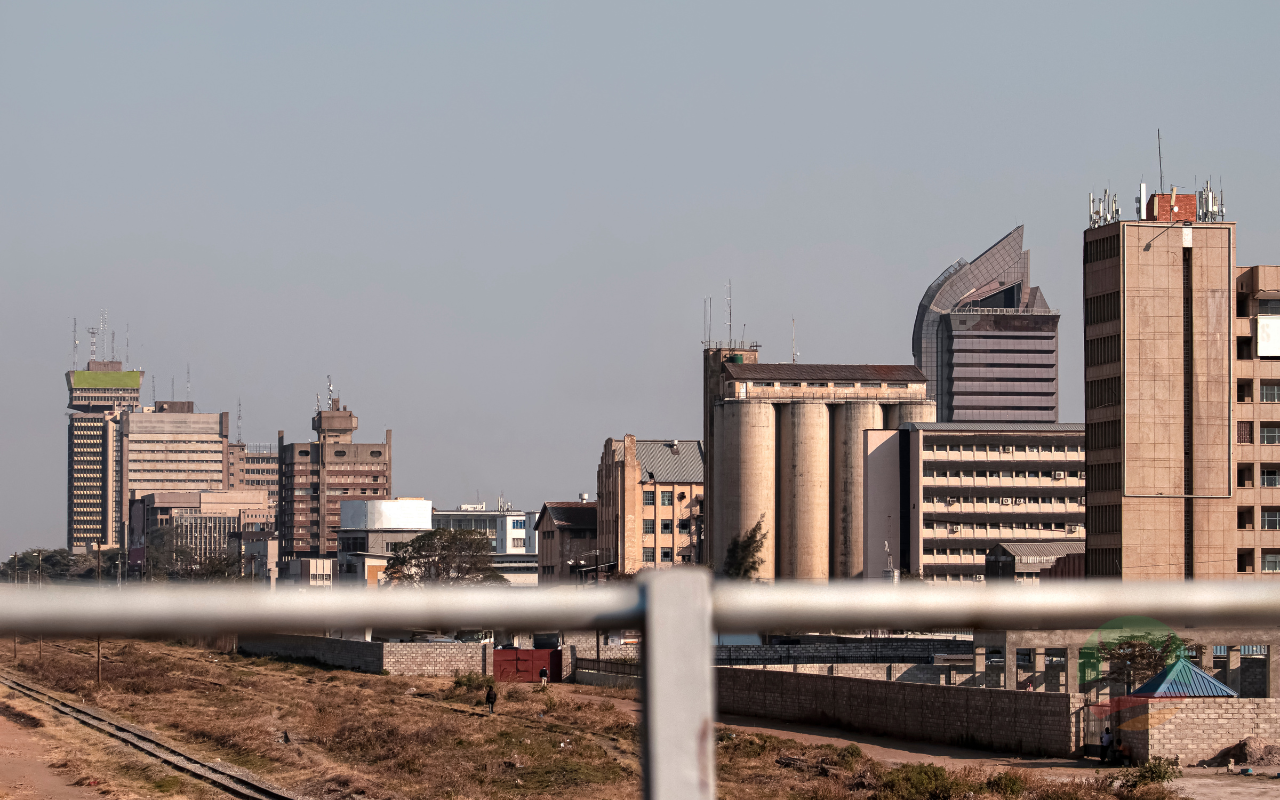
Photo: Diego DelsowikidataCC BY-SA 4.0
LUSAKA, 2 JUNE 2026—Updated 21 Jun 2026
ABUJA — Nigerian police have warned against reprisal attacks on South Africans, a warning that is a response to weeks of rising anti-migrant tension in South Africa, the BBC reported on 1 June 2026.
The warning, issued to communities across Nigeria, follows a series of anti-migrant demonstrations in parts of South Africa in recent weeks. Nigerian authorities said they wanted to pre-empt any tit-for-tat targeting of South African nationals or businesses, according to the BBC. The episode has drawn attention across the continent because South Africa is home to large numbers of migrants from neighbouring and distant African states alike.
For Zambian readers, the story is not a distant one. South Africa hosts a substantial population of Zambian workers, traders, students and professionals, alongside migrants from across Southern and West Africa. Periods of heightened anti-migrant sentiment therefore carry direct implications for Zambian families with relatives there, and for the wider community of Africans who depend on cross-border mobility. Kwacha News examined a related South African story in our recent coverage of illegal mining and sinkholes.
The protests and the police warning land against a longer regional backdrop. Free movement of people is a stated aspiration of the Southern African Development Community, the 16-member bloc to which both South Africa and Zambia belong, and the safety of migrants is a recurring point in continental diplomacy. The continental dimension was a theme in our Africa Day reflection from a Zambian vantage, which considered solidarity and shared identity across the continent.
Background
South Africa has the largest migrant population on the continent, drawing people from Zimbabwe, Mozambique, Malawi, Zambia, the Democratic Republic of Congo, Nigeria and beyond. Migration into the country is driven by its comparatively large economy, established industries and educational institutions. The International Organization for Migration tracks these flows, and notes that intra-African migration is overwhelmingly regional, with people moving to neighbouring states for work and family reasons.
Anti-migrant violence has recurred in South Africa over the years, with notable episodes in 2008, 2015 and 2019 that prompted condemnation from African governments and regional bodies. The drivers cited by researchers are usually domestic: high unemployment, competition for jobs and services, and frustration with economic conditions, which can be directed at migrant communities. South African authorities have, in past episodes, deployed police and condemned the violence; framing the current tensions carefully matters, because most migrants and most host communities are not involved in protests.
The regional-cohesion stake sits within the SADC framework. The bloc has long discussed easing movement of people as part of deeper integration, mirroring the broader continental free-trade agenda. Episodes of anti-migrant tension test that ambition, raising questions about how member states protect their nationals abroad and how the bloc reconciles open borders with domestic pressures. Kwacha News explored the integration agenda in our report on the AfDB Integrate Africa forum.
This report forms part of Kwacha News's ongoing Africa coverage.
Nigerian police warned communities against carrying out reprisal attacks on South Africans, saying retaliation would only deepen tensions rather than resolve the underlying grievances behind the protests in South Africa.
— Paraphrased from the warning reported by <a href="https://www.bbc.com/news/articles/ce8prypdpz6o">the BBC, 1 June 2026</a>
Snapshot: Nigerian police warned against reprisal attacks on South Africans after weeks of anti-migrant protests in South Africa (BBC, 1 June 2026). South Africa hosts the continent's largest migrant population, including Zambians. Free movement is a stated SADC aspiration. No casualty figures have been confirmed in this reporting.
What to watch
The first thing to watch is regional diplomacy. Past episodes have prompted statements and, at times, formal protests between African governments; analysts say the response from Pretoria and from migrant-origin states will shape whether tensions ease or harden. Evidence from previous cycles shows that early, measured official communication tends to lower the temperature, while silence can allow rumour to spread.
The second is the practical safety of migrants, including the estimated community of Zambians in South Africa. Consular guidance, community-association advisories and the visibility of policing in affected areas are the operational signals to track. Data from migration researchers demonstrates that most movement is economic and lawful, a point that careful reporting can help keep in view.
The third is the institutional response. Analysis of the bloc's record suggests SADC and the African Union have a role in affirming the safety of migrants and the principle of free movement; how forcefully they engage will indicate the weight placed on regional cohesion. The International Organization for Migration and other bodies provide the data and frameworks that inform such responses.
Frequently Asked Questions
These are the questions readers have been asking since the Nigerian police warning was reported. Short, measured answers follow, drawn from the BBC report, SADC materials and migration-research context.
What did the Nigerian police warn about?
In short, Nigerian police warned communities against carrying out reprisal attacks on South Africans in Nigeria, after weeks of anti-migrant tension in South Africa. The answer, simply put, is that authorities sought to prevent retaliation before it could begin. The key is that the warning was preventive, as reported by the BBC on 1 June 2026.
Why does this matter for Zambians?
The answer is that South Africa hosts a substantial Zambian community — workers, traders, students and professionals — alongside migrants from across the continent. Research on intra-African migration shows movement is largely regional and economic. In other words, anti-migrant tension in South Africa is a direct concern for Zambian families with relatives there.
How common is anti-migrant violence in South Africa?
Evidence from past years reveals recurring episodes, with notable flare-ups in 2008, 2015 and 2019. Analysis by researchers links the drivers to domestic pressures such as unemployment and competition for services. The key point is that most host communities and most migrants are not involved, and careful framing avoids generalising about any nationality.
What is SADC's position on free movement?
According to the bloc's stated agenda, free movement of people is an aspiration within deeper regional integration. Data and policy materials from SADC show the ambition sits alongside member states' domestic concerns. The answer is that episodes of tension test this principle, raising questions about how the bloc protects nationals abroad.
Where can readers follow developments safely?
The most reliable sources are established wire and broadcast reporting such as the BBC, official statements from South African authorities and migrant-origin governments, and migration data from the International Organization for Migration. In other words, watch official channels and verified reporting rather than unverified social posts, which research demonstrates can amplify rumour during such episodes.
Sources
BBC: report on the Nigerian police warning and South African anti-migrant tensions, 1 June 2026. Southern African Development Community: SADC official site for regional-integration and free-movement context. International Organization for Migration: IOM for regional migration data and frameworks.
More on Africa/World

TAZARA at 50: Zambia weighs two routes to the sea
As TAZARA turns 50, landlocked Zambia is weighing two rival routes for its copper: east to the Indian Ocean via a rebuilt TAZARA, or west to the Atlantic via the Lobito Corridor.

African leaders back trade insurer ATIDI after record year
African leaders endorsed ATIDI — the pan-African insurer Zambia belongs to — as a cornerstone of a new African-led financial architecture, as the body marked 25 years with record 2025 results and a call to recapitalise it to US$2 billion.
The Kwacha News briefing.
Business, markets and the Zambian economy — in your inbox.
