

Joburg's sinkhole crisis is a warning for the Copperbelt
Illegal miners are hollowing out Johannesburg from below. The same forces — abandoned mines, weak enforcement — are at work on Zambia's Copperbelt.
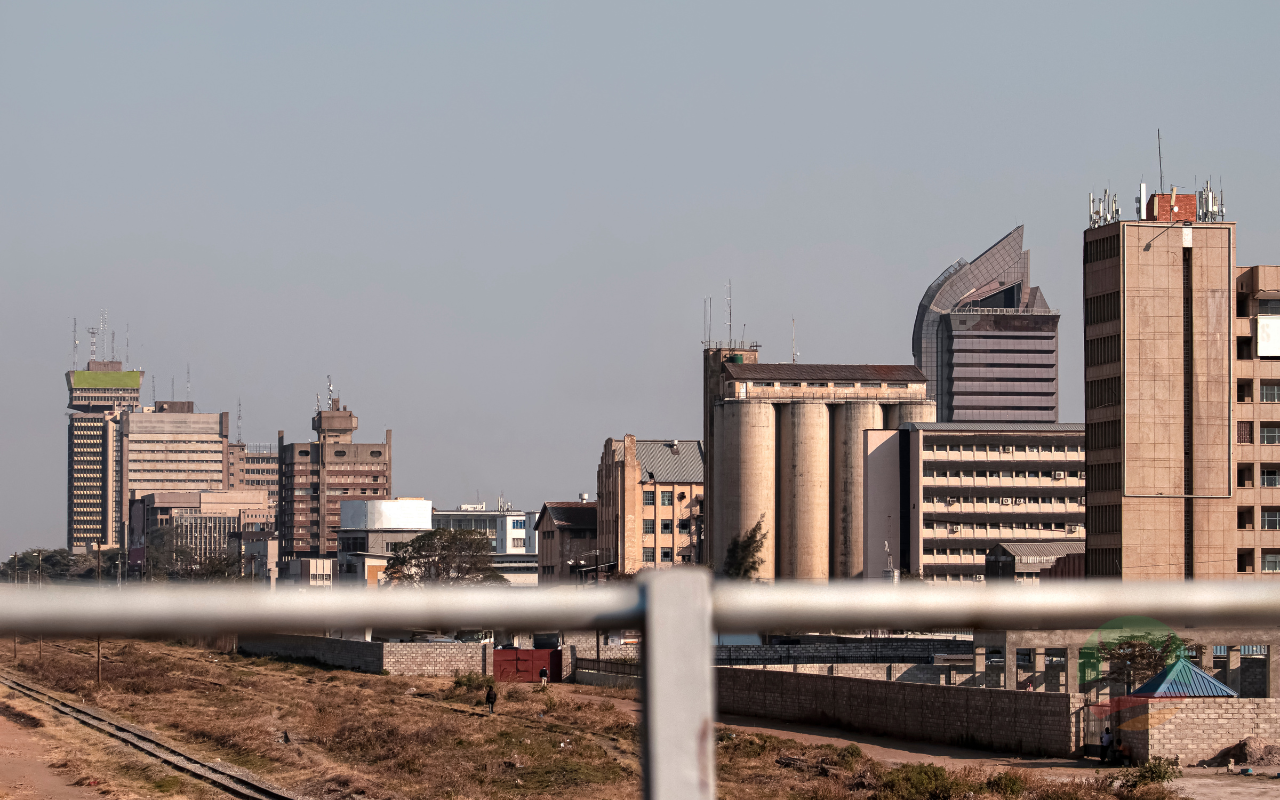
Photo: Craig ChiltonUnsplashUnsplash License
LUSAKA, 1 JUNE 2026—Updated 21 Jun 2026
LUSAKA — Johannesburg is collapsing into sinkholes as illegal miners tunnel beneath it, a danger that rhymes with the abandoned-mine risk on Zambia's own Copperbelt.
South Africa's crisis is a live picture of what happens when mining outlives the companies that ran it and the state that should police it. For a Zambian reader, the warning is not abstract: the Copperbelt is dotted with old workings and informal miners working ground no one is securing.
Across Johannesburg, roads are collapsing into underground voids, sinkholes are opening inside residential estates, and businesses are finding tunnels beneath their floors. Illegal miners, known as zama-zamas, strip away the pillars left to hold up the ground above as they chase gold in the old reef. The damage stretches from Roodepoort and Witpoortjie to Booysens and Wemmer.
The city now faces a repair bill running into billions of rand — more than R200 million for roads alone — and residents say the collapse is spreading faster than authorities can contain it.
I arrived at work one morning to discover a huge hole in the floor of my shop where illegal miners had broken through from the tunnel below. They stole large amounts of meat from the shop.
— Mike Motaung, owner of King's Butchery, Johannesburg, via <a href="https://www.dailymaverick.co.za/article/2026-05-31-roads-shops-factories-and-homes-threatened-by-sinkholes-as-illegal-mining-hollows-out-joburg/">Daily Maverick</a>
Zambia's version is different in metal but similar in logic. On the Copperbelt, informal miners — the jerabos — scavenge dumps and abandoned shafts, sometimes with deadly cave-ins, and the legacy of a century of mining has left ground that no single owner is responsible for. It is the flip side of the value-addition debate Kwacha News set out via Guinea's bauxite paradox: mining that is badly governed leaves costs behind long after the ore is gone, a thread that runs through reporting on Zambia's copper output.
Why illegal mining takes hold
Illegal mining thrives in the gap between a closed mine and a secured one. When a company walks away, the shafts stay, the ore that was uneconomic for an industrial operation is still worth digging by hand, and unemployment supplies the labour. South African analysts have noted, bleakly, that illegal mining can be easier than the legal kind, with none of the licensing, safety or environmental burden. The same incentives apply wherever mines age and oversight thins.
The Johannesburg crisis — Who: zama-zamas, illegal miners chasing gold in the old reef. What: tunnelling that strips support pillars, collapsing roads, homes and factories. Where: Roodepoort, Witpoortjie, Booysens, Wemmer and beyond. Cost: into the billions of rand; over R200m for roads alone. The Zambian echo: abandoned Copperbelt shafts and informal jerabos.
The lesson for Zambia
As Zambia pushes to triple copper output, more mining means more eventual closure, and closure is where the South African problem began. Sealing and rehabilitating spent mines, funding it before companies leave, and offering informal miners a legal route are the measures that prevent a Johannesburg-style collapse. Mine rehabilitation and the role of the state holding company are part of the picture Kwacha News tracks in its Africa coverage.
Background
Zama-zama, loosely 'take a chance' in isiZulu, describes the informal miners who work South Africa's disused gold mines, often in dangerous conditions and sometimes linked to organised crime and violence. The phenomenon has grown as the country's gold industry has declined, leaving a vast underground network of old workings beneath the very city built on the gold rush.
What to watch
In Johannesburg, watch whether the city can fund repairs faster than the ground gives way, and whether enforcement reaches the networks behind the digging. In Zambia, the marker is policy: whether mine-closure and rehabilitation rules are funded and enforced as output rises, so the Copperbelt does not inherit the same slow collapse.
Frequently Asked Questions
These are the questions readers ask about the Johannesburg crisis and its lessons. Short answers follow, drawn from South African reporting and mining analysis.
What is causing Johannesburg's sinkholes?
In short, illegal miners tunnelling beneath the city and removing the pillars that hold up the ground. The answer, simply put, is unregulated digging in old gold workings.
How does illegal mining hollow out a city?
The data shows miners chase ore left in disused shafts, stripping structural pillars. According to engineers, that creates voids beneath roads and buildings that eventually collapse into sinkholes.
Why is this a warning for Zambia?
The key is the Copperbelt's ageing mines. Evidence from South Africa shows the danger begins when companies leave shafts unsealed and oversight thins — conditions present in Zambia's mining towns.
Who is affected by illegal mining?
In other words, everyone above the tunnels — homeowners, shopkeepers, road users and ratepayers. Research shows the miners themselves face the highest risk, working in unsupported, often lethal conditions.
What are zama-zamas?
Analysis of the phenomenon shows zama-zamas are informal miners working South Africa's disused gold mines. The answer is that Zambia's Copperbelt equivalent, the jerabos, face the same dangers in old copper workings.
Sources
Daily Maverick: Roads, shops, factories and homes threatened by sinkholes as illegal mining hollows out Joburg. Daily Maverick: illegal mining easier than legal mining. Mining Review Africa: zama-zamas and Johannesburg.
More on Africa/World

TAZARA at 50: Zambia weighs two routes to the sea
As TAZARA turns 50, landlocked Zambia is weighing two rival routes for its copper: east to the Indian Ocean via a rebuilt TAZARA, or west to the Atlantic via the Lobito Corridor.

African leaders back trade insurer ATIDI after record year
African leaders endorsed ATIDI — the pan-African insurer Zambia belongs to — as a cornerstone of a new African-led financial architecture, as the body marked 25 years with record 2025 results and a call to recapitalise it to US$2 billion.

Railway revival sweeps Southern Africa as Zambia eyes TAZARA
South Africa's freight-rail reforms, the Lobito Corridor and a revived TAZARA line are redrawing Southern Africa's transport map, as President Hichilema pledges a further $1.6 billion recapitalisation of the Tanzania-Zambia railway.
The Kwacha News briefing.
Business, markets and the Zambian economy — in your inbox.