

Hichilema Ties Private-Sector Revenue to Zambia's Growth
The President frames mining receipts and private investment as the engine of Zambia's recovery, with Barrick's Lumwana mine as exhibit one.
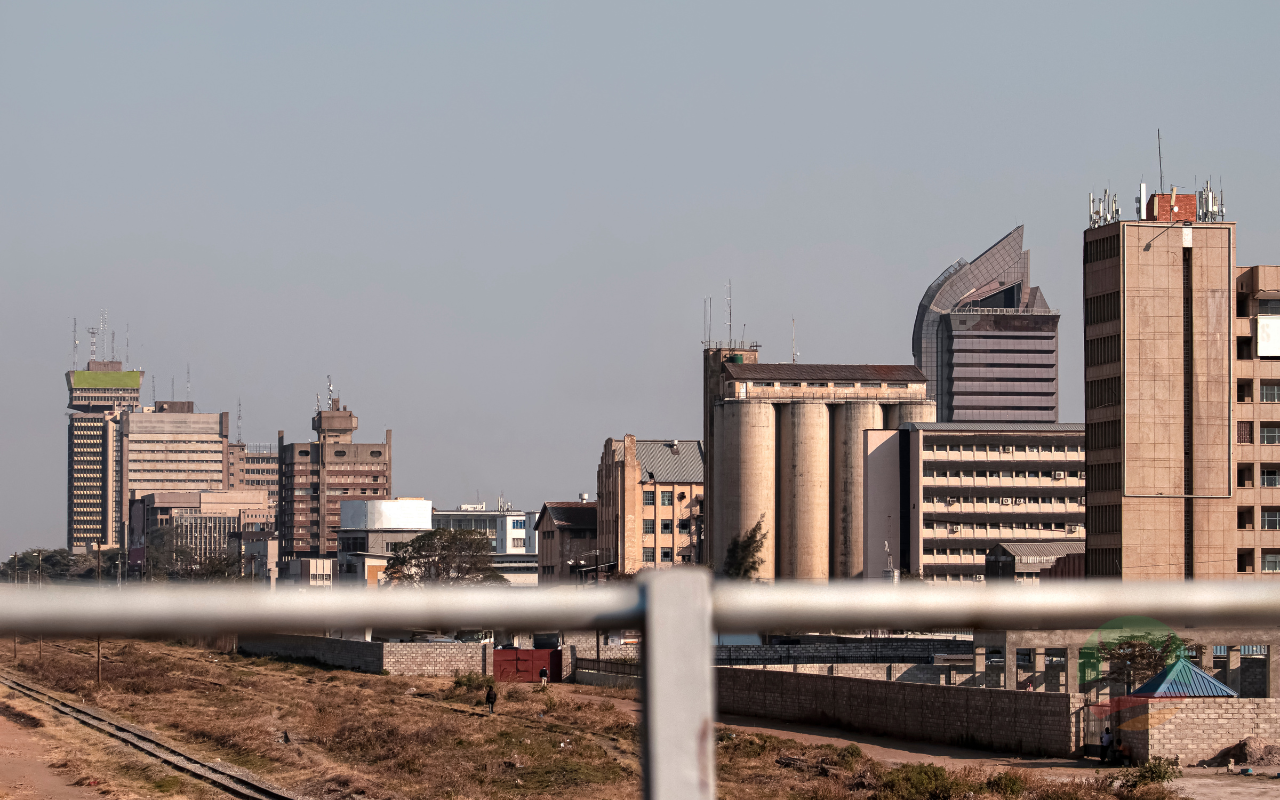
Photo: ZANISzanisGovernment of Zambia — editorial use
LUSAKA, 30 MAY 2026—Updated 8 Jul 2026
LUSAKA — President Hakainde Hichilema says private-sector revenue is central to Zambia's economic growth, with mining receipts from companies such as Barrick the clearest case.
The framing matters because Zambia is leaning on a copper rebound to repair public finances after the country's debt restructuring. If the state's recovery depends on tax, royalties and procurement flowing from privately run mines, then the pace of expansion at operations like Barrick's Lumwana mine in North-Western Province becomes a fiscal question, not just a corporate one. Hichilema makes that link the engine of his economic pitch.
At a glance: Barrick says it has contributed more than US$3.7 billion to Zambia's economy since 2019, including US$887 million in 2024. Its Lumwana copper mine in North-Western Province runs a 99% Zambian workforce and a roughly US$2 billion Super Pit expansion targeting about 240,000 tonnes of copper a year, with first production due in 2028.
The argument: mines pay, the state grows
Hichilema's case rests on a single proposition: that revenue raised by the private sector, rather than borrowing, is what funds public services and stabilises the budget. Mining sits at the heart of it. Higher output and efficiency in the copper sector, he has argued, feed directly into the receipts the Treasury collects. The administration has paired that message with a drive to lift national copper production past one million tonnes, a level Zambia has not reached in a century of commercial mining, as detailed in Kwacha News coverage of the push past one million tonnes in 2026.
Barrick is the President's preferred illustration. The company operates Lumwana, near the border with the Democratic Republic of Congo, and is building it into a long-life mine through a roughly two-billion-dollar Super Pit expansion. Government officials have repeatedly singled out Barrick's reinvestment as proof that policy reform translates into private spending, and private spending into public revenue. The same logic underpins the President's broader investment diplomacy, including his decision to dispatch six envoys on a trade and investment push to court capital ahead of the August general election.
What Barrick says it has paid in
Barrick's own figures put numbers on the claim. The company says Lumwana has contributed more than 3.7 billion dollars to the Zambian economy since it took over the operation in 2019, through royalties, taxes, salaries and the procurement of goods and services. In 2024 alone, Barrick puts that contribution at 887 million dollars. Of the 906 million dollars Lumwana spent on goods and services that year, 72 percent went to Zambian suppliers, and the company says 99 percent of the mine's workforce are Zambian nationals.
We are transforming the surrounding Kalumbila District into a mining-powered economic hub that will endure beyond Lumwana's expanded life of mine.
— Mark Bristow, president and chief executive of <a href="https://www.barrick.com/English/news/news-details/2025/barrick-lumwana-mine-fuels-zambia-economic-growth-with-major-expansion-on-the-horizon/default.aspx">Barrick Mining Corporation</a>
The expansion would lift Lumwana's plant throughput from 27 million tonnes a year to 52 million, roughly doubling annual copper output from about 120,000 tonnes to a life-of-mine average near 240,000 tonnes. Barrick expects first production from the larger operation in 2028 and, on the company's own account, anticipates recouping the investment in under two years if copper prices hold near current levels. That timetable is why Hichilema has urged the company to accelerate the project, tying jobs and revenue to the speed of the build.
The fiscal backdrop
The private-sector-revenue message lands against a copper market that is, for now, working in Zambia's favour. Prices have run near record highs while supply elsewhere has been disrupted, and Zambia is one of the few producers where output is rising. The Ministry of Finance and National Planning is preparing for the upside: Secretary to the Treasury Felix Nkulukusa has said mineral revenues above what the budget assumes will be channelled into a stabilisation, or "rainy day", fund rather than spent at once.
Nkulukusa said the surplus "will not be immediately used in the budget", so that when prices weaken "we will then be able to use those revenues to smoothen the budget process". The government intends to finalise the fund's framework during 2026. The design is an implicit acknowledgement of the President's own thesis and its risk: if growth is built on mining revenue, the budget rises and falls with the copper price, and a buffer is needed for the years the cycle turns.
Background
Zambia, Africa's second-largest copper producer, defaulted on its sovereign debt in 2020 and has spent years restructuring obligations to bondholders and bilateral lenders, including China. The Hichilema administration, in office since 2021, has framed mining as the route out of that distress, courting investors and setting a target of three million tonnes of annual copper output by the early 2030s, more than triple recent levels. The disinflation that has accompanied the recovery is covered in Kwacha News reporting on inflation returning to the target band.
Lumwana is one pillar of that strategy, alongside expansions at other large mines. Barrick acquired the operation in 2019 and, after years in which it was viewed as marginal, has committed fresh capital on the strength of policy changes the government credits to its reforms. The Super Pit would add some 550 permanent roles and around 2,500 construction jobs during the build to 2028, in a district where the mine is the dominant employer.
What to watch
The near-term test is production. Whether Zambia clears one million tonnes in 2026, and how much of that converts into royalties and tax, will show whether the private-sector-revenue thesis is delivering or merely promising. The first-quarter numbers were already soft, with national copper output down on the prior period, a wobble examined in Kwacha News coverage of a 4 percent first-quarter decline against the three-million-tonne target. The next markers are the pace of Barrick's Super Pit build, the Treasury's finalisation of the stabilisation fund framework, and the August general election, at which Hichilema's economic record, copper and all, goes to the vote. Readers tracking the wider picture can follow Kwacha News coverage of the business and economy beat.
Frequently Asked Questions
Common questions about Hichilema's private-sector-revenue framing, Barrick's role at Lumwana, and what the figures mean for Zambia's public finances are answered below.
What is President Hichilema's private-sector-revenue argument?
In short, Hichilema argues that revenue generated by private companies, chiefly miners, is what should fund the state and stabilise the budget, rather than fresh borrowing. According to his framing, higher and more efficient copper production lifts the taxes, royalties and procurement spending that reach the Treasury. The data on Barrick's Lumwana mine is the example he most often cites.
How does Barrick contribute to Zambian government revenue?
The answer is through a mix of royalties, taxes, salaries and local procurement. Barrick's own figures show Lumwana has contributed more than 3.7 billion dollars to the Zambian economy since 2019, including 887 million dollars in 2024. Company data also shows 72 percent of the mine's 2024 spending on goods and services went to Zambian suppliers, evidence the government uses to argue that mining money circulates domestically.
What is the Lumwana Super Pit expansion?
Simply put, it is a roughly two-billion-dollar project to enlarge Barrick's Lumwana mine in North-Western Province. According to Barrick, the expansion would roughly double annual copper output to a life-of-mine average near 240,000 tonnes, with first production targeted for 2028. The study supporting the build shows throughput rising from 27 million to 52 million tonnes of ore a year.
Why is copper revenue so important to Zambia's budget?
The key is Zambia's recovery from a 2020 sovereign default. Analysis of the economy shows copper is the country's principal export and a major source of fiscal revenue, so the pace of mine expansion shapes how quickly public finances mend. Evidence of that reliance is the Treasury's plan for a stabilisation fund to capture surplus mineral revenue when prices are high.
What are the risks in relying on mining revenue?
In other words, the budget becomes exposed to the copper price. Research on commodity-dependent economies shows that revenue swings with global prices and output, which is why the Ministry of Finance and National Planning is building a "rainy day" fund. Data on the first quarter of 2026, when national output dipped, shows the volatility the President's growth pitch has to manage.
Sources
Primary and wire sources for this report: Barrick Mining Corporation on Lumwana's economic contribution and expansion; Barrick Mining Corporation on the Lumwana Super Pit launch and production figures; MINING.COM on Zambia's record copper production and the three-million-tonne target; and MINING.COM on the Treasury's mining-revenue stabilisation fund.
More on Business & Economy

Guinea bans raw gold exports as Africa pushes local refining
Guinea has banned raw gold exports and now demands local refining, African Business reported. For Zambia, whose copper still leaves largely unprocessed, the move sharpens a long-running question about where the value is captured.

Zambia cuts fuel prices again as shop prices stay high
Zambia's Energy Regulation Board cut pump prices for a third straight month in August 2026, but transport fares and food prices remain high and non-food inflation is rising.
The Kwacha News briefing.
Business, markets and the Zambian economy — in your inbox.

