

Zambia copper slips 4.3% in Q1 — the 3-million-tonne math
Q1 2026 output of 208,993 tonnes is shy of last year. The target of 3 million tonnes by 2031 requires a 23% sustained CAGR — far above current trend.
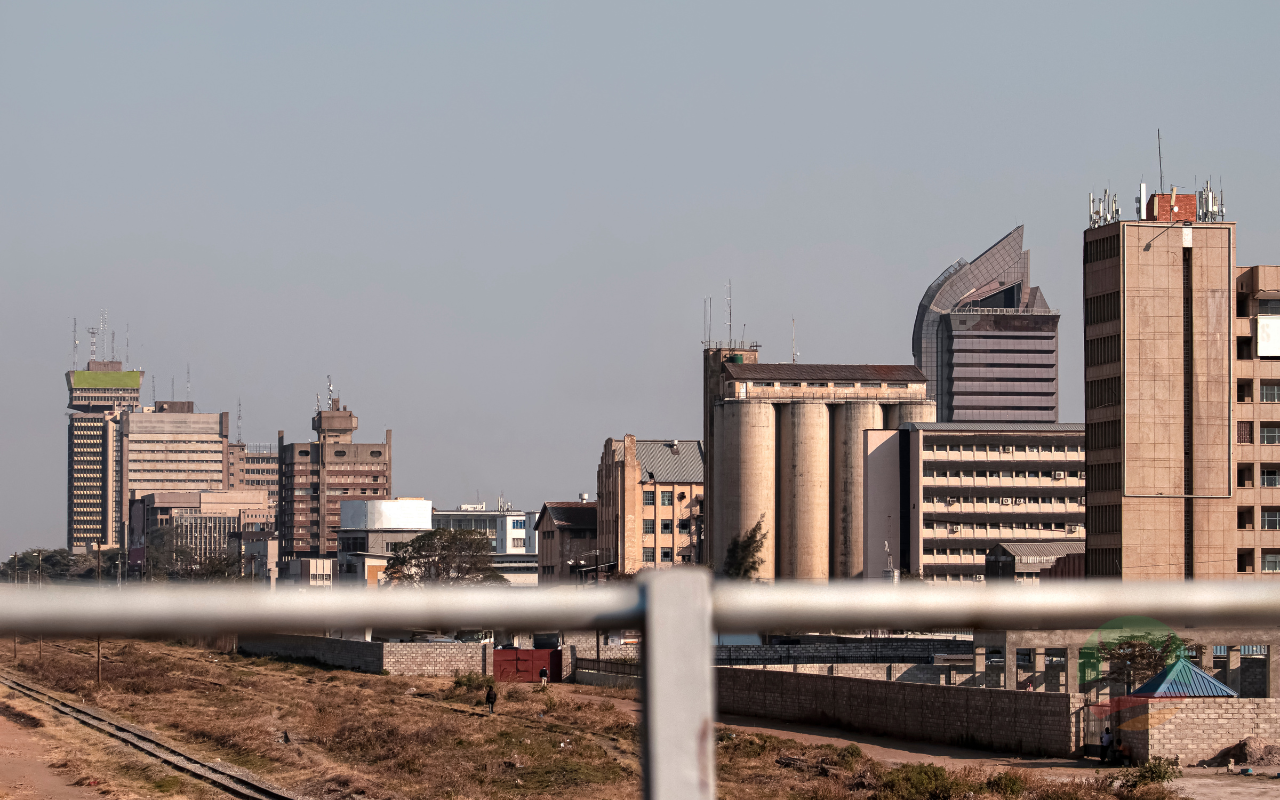
Photo: BlueSalowikipediaCC BY-SA 3.0
LUSAKA, 28 MAY 2026—Updated 8 Jul 2026
LUSAKA — Zambia's copper output is 4.3% lower in the first quarter of 2026 than a year earlier, according to the Ministry of Mines and Minerals Development.
Quarterly output reached 208,992.66 metric tonnes in the three months to 31 March 2026, against 218,308 tonnes in Q1 2025. The figure is the first hard data point against which the government's headline target — three million tonnes per year by 2031 — can be measured, and the arithmetic is uncomfortable.
Large-scale mines turned in a modest improvement. Production from large-scale operations rose 1.8% year-on-year to 198,930 tonnes, up from 195,419 tonnes in Q1 2025. Gains were recorded at Lumwana Mine, Konkola Copper Mines and Mopani Copper Mines, offsetting declines at other operations. The headline number was dragged down by small-scale and artisanal mining, where output fell sharply.
The ministry, in a statement carried by the trade press and reported by CNBC Africa, attributed the overall decline to reduced output from the small-scale sub-sector. Kwacha News reported the optimistic version of this story last week — Zambia's copper output set to pass one million tonnes — and the new quarterly print is the data check on that projection.
Background
Zambia produced 890,346 tonnes of copper in 2025, well below the one-million-tonne target the government set for the year and 12% short of the headline number. The Q1 2026 print therefore opens the year on the back foot: at the current quarterly pace, full-year 2026 output would land in the 835,000-tonne range — below 2025, not above it.
The wider target is more ambitious still. Government has stated Zambia is "on a path to increasing copper production to three million metric tonnes per annum by 2031". The arithmetic of moving from 890,346 tonnes in 2025 to three million tonnes by 2031 is the part that has drawn industry scepticism: it implies a sustained compound annual growth rate (CAGR) of roughly 23% per year for six consecutive years. No copper-producing country in modern history has run that growth rate over a multi-year period from a base above 800,000 tonnes.
The Democratic Republic of Congo — Africa's top copper producer — also softened in Q1, with exports of the red metal falling nearly 15%. Kwacha News has covered the regional copper picture in LME copper at record above $13,000, where the bull case rests on US tariff-driven inventory build, not African supply growth.
Copper production from large-scale mines rose to 198,930.17 metric tonnes from 195,418.89 metric tonnes in the first quarter of 2025, representing a year-on-year increase of 1.8 percent.
— Ministry of Mines and Minerals Development, <a href="https://www.mmmd.gov.zm/">Q1 2026 production statement</a>
The Q1 2026 numbers: total output 208,993 tonnes (-4.27% YoY). Large-scale mines: 198,930 tonnes (+1.8% YoY). Small-scale and artisanal: the drag. 2025 actual: 890,346 tonnes vs 1 million target (-12%). 2031 target: 3 million tonnes — requires roughly 23% CAGR from a 2025 base.
What to watch
The path to three million tonnes by 2031 — restated this year by both Mines Minister Paul Kabuswe and the Treasury — runs through three operational moves the market is watching for. First, the Konkola Copper Mines turnaround under the recapitalisation programme that followed the Vedanta legal settlement: KCM is operating, but well below its historical peak of around 250,000 tonnes a year. Second, Mopani Copper Mines under the new International Resources Holding (IRH) arrangement, where production guidance has been raised but execution lags. Third, the Mingomba and Lubambe expansions — both of which carry capex profiles that depend on copper holding around $9,000-$10,000 a tonne.
The kwacha implication is straightforward. Royalty receipts and corporate-tax inflows scale with output, and the Bank of Zambia's reserves position rests in part on copper export receipts. Inflation, debt sustainability and the IMF programme trajectory all sit downstream of the production curve. Analysis from the ministry demonstrates the small-scale slump is a real drag, not a rounding error. The data shows the operational story is mixed: large-scale up, small-scale down, headline negative.
This story is part of Kwacha News's continuing business and economy coverage of the mining sector and the macro framework.
Frequently Asked Questions
These are the questions readers have been asking since the Ministry of Mines released its Q1 2026 production statement. Short answers follow, drawn from the ministry's release, trade press reporting and government's standing 2031 target.
What is the Q1 2026 copper output figure?
In short, total Zambian copper output in Q1 2026 is 208,992.66 tonnes. The answer, simply put, is that the figure represents a 4.27% decline against Q1 2025 (218,308 tonnes). The key is that the headline drop sits on top of a 1.8% gain at large-scale mines — meaning small-scale and artisanal operators are the source of the slip.
How does the Q1 number compare to the 1-million-tonne target?
Research from the Ministry of Mines shows the 2025 full-year actual was 890,346 tonnes — 12% short of the one-million target. Data from the Q1 2026 print reveals quarterly output at 208,993 tonnes, which annualises (linearly) to around 835,000 tonnes — below the 2025 actual. The answer is that the trajectory is moving in the wrong direction relative to the target.
Why is the 3-million-tonne-by-2031 target controversial?
According to government, Zambia is on a path to three million tonnes per year by 2031. Evidence from basic arithmetic demonstrates that climbing from 890,346 tonnes in 2025 to three million tonnes by end-2031 requires a sustained 23% annual growth rate for six years. The answer is that no copper-producing country has historically run that CAGR from an 800,000-plus tonne base.
Which mines are driving the large-scale gains?
Analysis of the ministry's release reveals three operations underpinning the 1.8% large-scale increase. Data from the statement shows Lumwana, Konkola Copper Mines and Mopani Copper Mines all posted gains in Q1 2026. The answer is that the recapitalisation programmes at KCM and Mopani are starting to read in the production data — but the headline still drops because of small-scale weakness.
What are the implications for Zambia's revenue?
Evidence from the Treasury's fiscal framework reveals that royalties and corporate taxes scale directly with output and the LME copper price. In other words, every percentage point of production miss flows through to the central-government revenue line. The answer is that a 4% output miss matters more in fiscal terms than it does in volume terms — particularly given Zambia's IMF programme commitments.
How can investors watch the trajectory in real time?
The most reliable tracker is the Ministry of Mines and Minerals Development quarterly release combined with the Bank of Zambia's monthly balance-of-payments data. Research from both shows the operational and revenue sides of the story. In other words, watch ministry production prints alongside BoZ export-receipt data and the LME copper price — those three series, together, tell you whether the curve is bending toward the target.
Sources
Ministry of Mines and Minerals Development: ministry homepage and Q1 2026 statement. Trade press: Mining.com, CNBC Africa, Kitco News. Analytical commentary: Discovery Alert.
More on Business & Economy

Guinea bans raw gold exports as Africa pushes local refining
Guinea has banned raw gold exports and now demands local refining, African Business reported. For Zambia, whose copper still leaves largely unprocessed, the move sharpens a long-running question about where the value is captured.

Zambia cuts fuel prices again as shop prices stay high
Zambia's Energy Regulation Board cut pump prices for a third straight month in August 2026, but transport fares and food prices remain high and non-food inflation is rising.
The Kwacha News briefing.
Business, markets and the Zambian economy — in your inbox.

