

Zambian inflation back inside the 6-8% target band
Consumer inflation eased to 7.5% in February 2026, returning to the Bank of Zambia's 6-8% target band for the first time since 2019 — helped by a stronger kwacha and a bumper maize harvest.
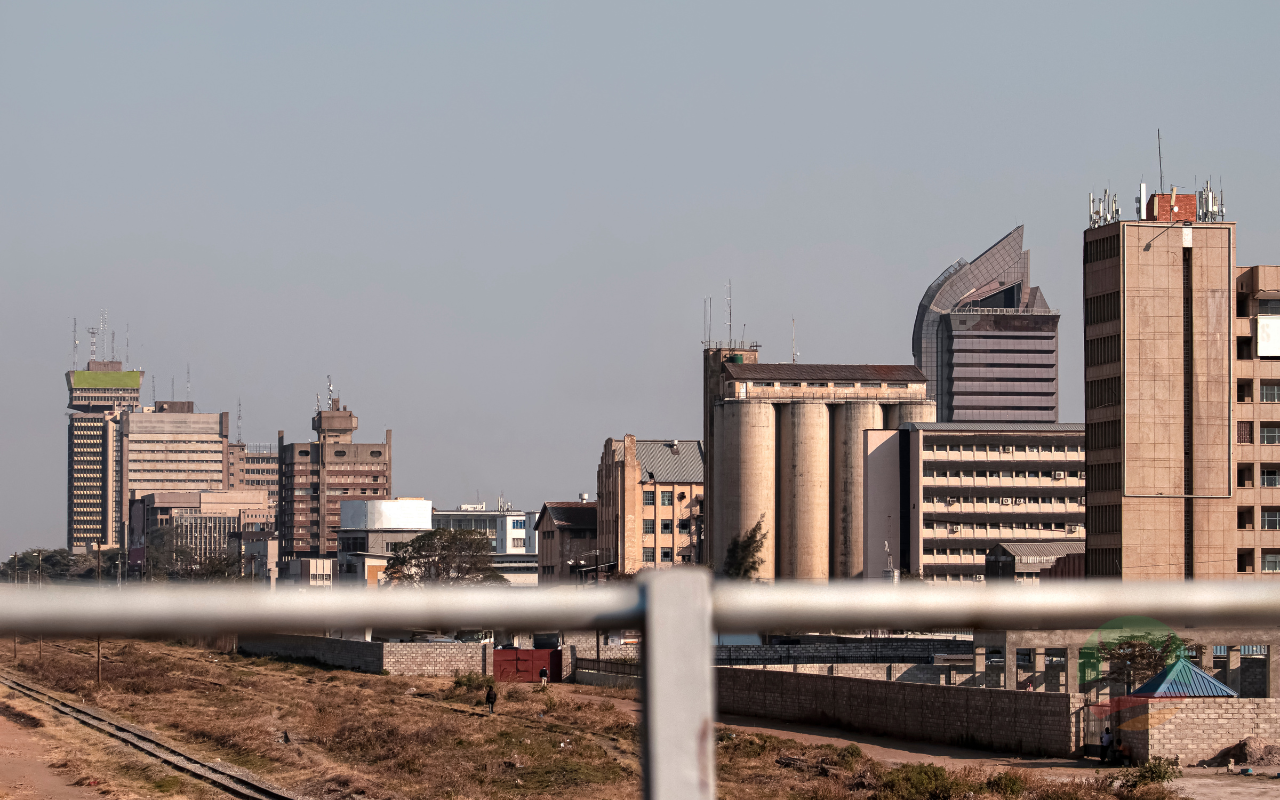
Photo: ChongkianwikidataCC BY-SA 4.0
LUSAKA, 22 MAY 2026—Updated 8 Jul 2026
LUSAKA — Zambian inflation has returned to the Bank of Zambia's 6-8% target band in early 2026 for the first time since 2019, a shift that is easing pressure on households and the cost of borrowing.
Consumer prices rose 7.5% in the year to February 2026, the lowest reading since June 2018 and the first time inflation has sat inside the central bank's target band since April 2019. The number matters because inflation is the tax households feel first: when it falls into the band, real incomes stop shrinking and the Bank of Zambia gains room to think about its policy rate.
What pulled inflation down
Two forces did most of the work. The kwacha has strengthened around 30% against the US dollar over the past year, cutting the price of imported goods, fuel and inputs that feed into the wider basket. A strong currency is disinflationary for an economy that imports as much as Zambia does.
Food did the rest. Maize output more than doubled to 3.7 million tonnes in the 2024/25 season, up from 1.5 million the year before, as rains returned after the drought. The data shows food prices, the heaviest weight in the Zambian basket, eased as the harvest came in, dragging the headline rate down with them.
The combination is unusual. Research into past Zambian cycles shows currency strength and a good harvest rarely arrive together; when they do, inflation can fall quickly. That is what the early-2026 data reveals.
Inflation returning to the 6 to 8 percent target band is the central objective of monetary policy; sustaining it there is what allows the policy rate to support growth rather than fight prices.
— Position consistent with the Bank of Zambia's stated inflation objective under its monetary policy framework
Why it matters
The most immediate gain is the cost of living. Lower inflation means wages and small-business margins hold their value, and the squeeze that Zambian households felt through the drought years eases. According to the central bank's framework, price stability is the precondition for everything else it wants to do.
It also changes the calculus on interest rates. The Bank of Zambia raised its policy rate to 14% to fight inflation; with the rate back in the band, the analysis shifts toward when, not whether, borrowing costs can ease. Cheaper credit would help businesses invest and households borrow, reinforcing the recovery.
There is a fiscal dividend too. Lower, more stable inflation supports the kwacha and the IMF-backed programme, and makes the cost of domestic government borrowing more predictable. The evidence shows macroeconomic stability and disinflation tend to move together.
Zambia's inflation milestone — the essentials
February 2026 inflation: 7.5% year-on-year · Lowest since: June 2018 · First inside the 6-8% band since: April 2019 · Main drivers: a kwacha up about 30% on the year, and a maize harvest of 3.7 million tonnes · Policy rate: 14% · Main risk: a rise in global oil prices
Background
The path here was painful. A severe drought in 2024 cut hydropower and the maize crop, drove load-shedding, and pushed inflation well above target as food and energy prices climbed. The kwacha weakened, import costs rose, and the cost of living became the dominant economic complaint.
The 6-8% band is the Bank of Zambia's medium-term inflation objective, the range it tries to keep prices within over time. Sitting inside it is the norm the central bank targets and, until early 2026, a norm Zambia had missed for close to seven years. Analysis of the recovery shows the return owes as much to weather and the currency as to policy alone.
Frequently Asked Questions
These are the questions Zambian readers have been asking about falling inflation. Short answers follow, drawn from official price data and the Bank of Zambia's monetary policy framework.
What is Zambia's inflation rate now?
In short, 7.5% in the year to February 2026. The answer is that this is the lowest since June 2018 and the first reading inside the 6-8% target band since April 2019. The key is that inflation has returned to the range the central bank aims for.
How does the kwacha affect inflation?
Simply put, a stronger kwacha lowers import prices. According to the data, the currency is up about 30% against the dollar over the past year, which cuts the cost of fuel and imported goods. The key is that Zambia imports heavily, so the exchange rate moves the inflation basket.
Why is the 6-8% band important?
The answer is that the band is the Bank of Zambia's inflation target. Evidence from monetary policy shows keeping prices in the 6-8% range is the central objective, and being inside it lets the bank consider supporting growth. The key is predictability for households and business.
Who is helped by lower inflation?
In other words, almost everyone who earns or spends in kwacha. Research shows lower inflation protects wages and small-business margins and steadies the cost of living. The data shows households hit hardest in the drought years gain the most as prices stabilise.
What are the risks to the outlook?
Analysis of the basket shows oil is the main risk; a global energy shock would raise fuel and transport costs and push inflation back up. Evidence from recent years also shows drought can reverse the food-price gains. Each risk is external, not a failure of the disinflation itself.
What to watch
Two signals. The first is the next monthly inflation prints from the Zambia Statistics Agency, which show whether the rate holds inside the band. The second is the Bank of Zambia's next monetary policy decision, where a sustained return to target opens the door to lower borrowing costs.
Sources
Bank of Zambia: monetary policy statements and the 6-8% inflation target. Zambia Statistics Agency consumer price index, February 2026. International Monetary Fund and African Development Bank: Zambia economic outlook.
Kwacha News earlier coverage: the kwacha's appreciation and the oil-price risk to inflation that remains the main threat to the outlook.
More on Business & Economy

Guinea bans raw gold exports as Africa pushes local refining
Guinea has banned raw gold exports and now demands local refining, African Business reported. For Zambia, whose copper still leaves largely unprocessed, the move sharpens a long-running question about where the value is captured.

Zambia cuts fuel prices again as shop prices stay high
Zambia's Energy Regulation Board cut pump prices for a third straight month in August 2026, but transport fares and food prices remain high and non-food inflation is rising.
The Kwacha News briefing.
Business, markets and the Zambian economy — in your inbox.

