

Hichilema receives six envoys, pitches trade reset
After debt restructuring, the president told ambassadors from Tanzania, Indonesia, Greece, Gabon, Norway and Mexico that Zambia is open for equal-terms business.
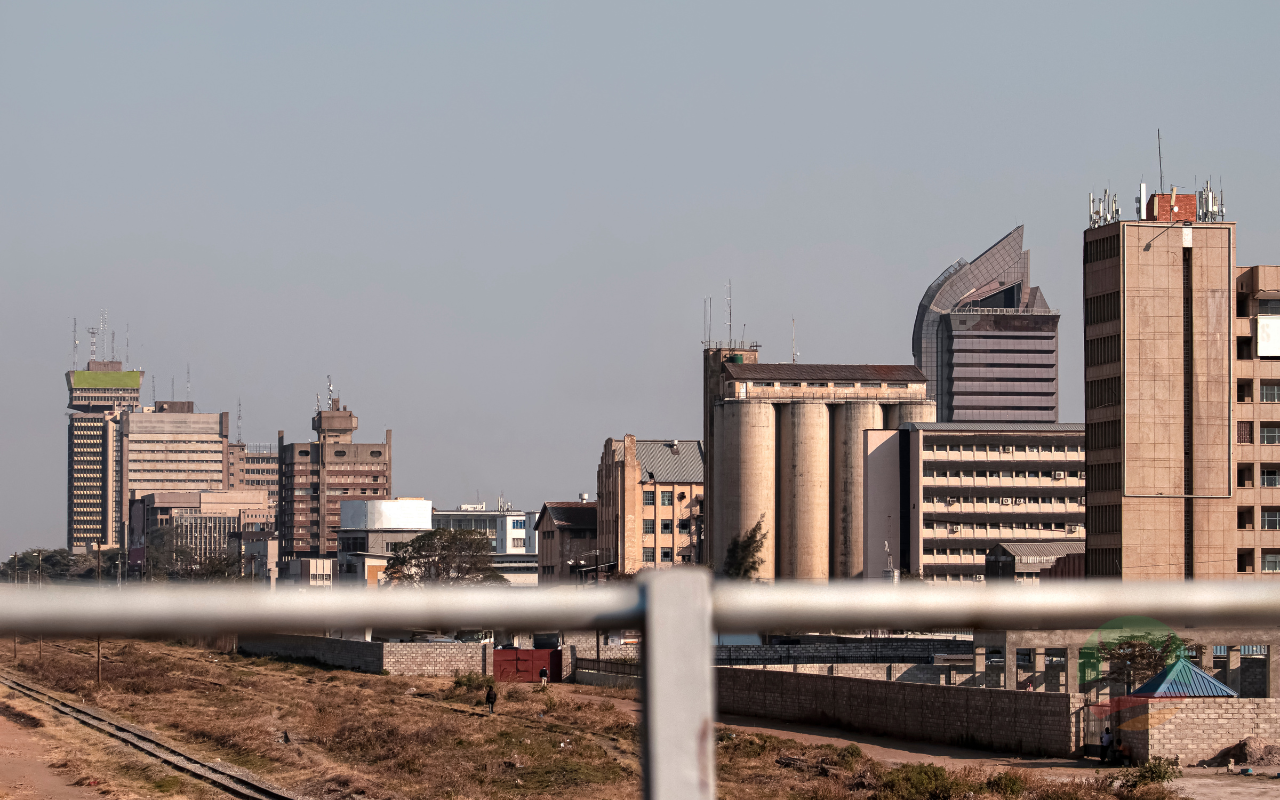
Photo: UK GovernmentWikimedia CommonsCC BY 2.0
LUSAKA, 28 MAY 2026—Updated 8 Jul 2026
LUSAKA — President Hakainde Hichilema is positioning Zambia as a destination for equal-terms trade and investment after the close of its sovereign-debt restructuring.
The president told six newly arrived ambassadors at State House on Tuesday that the country has entered a new phase of growth, in remarks issued by his office.
Hichilema received Letters of Credence from envoys representing Tanzania, Indonesia, Greece, Gabon, Norway and Mexico at State House in Lusaka on Tuesday, in a ceremony framed by his administration as both diplomatic protocol and a pitch for capital. The president linked the reset directly to the closure of the G20 Common Framework process — the debt restructuring that consumed much of his first three years in office.
In remarks released by State House, Hichilema said Government is "accelerating economic reforms" aimed at expanding trade and investment partnerships, and that it remains "committed to creating a stable, predictable and investor-friendly environment". The full statement is on the State House and Ministry of Foreign Affairs and International Cooperation websites.
The president pressed two practical asks. First, countries without resident missions in Lusaka should consider opening embassies, the president said, arguing that physical diplomatic representation would deepen trade and unlock new opportunities. Second, the digital era is creating new openings for cross-border partnership that ambassadors should help countries seize.
Kwacha News has tracked the diplomatic arc of the second half of Hichilema's term in coverage of the presidential nominations and the Africa Freedom Day clemency — both moments at which the president has tied governance to the wider economic reset.
Background
Zambia's debt restructuring is the structural fact behind the trade pitch. Government reached agreement with bondholders to restructure $3 billion of eurobonds in March 2024, swapping three existing instruments into two amortising bonds and securing roughly $2.5 billion in cash-flow relief over the IMF programme period. The Ministry of Finance and National Planning announced the successful settlement of the eurobond exchange in June 2024, closing the public-debt leg of the restructuring.
The macro picture has improved alongside the debt resolution. Inflation fell to 7.1% by March 2026 and is back inside the Bank of Zambia's 6–8% target band, and the kwacha has appreciated by about 13% against the US dollar in the year to date. The IMF's March 2026 staff visit projected Zambia's 2026 growth at 5.5%, while flagging that public debt would need to drop from above 100% of GDP in 2025 toward 73% by 2028 to keep the trajectory viable.
Hichilema's opening to the new envoys also lands inside the campaign period for the 13 August general election, when the ECZ has set a constituency-level campaign timetable that runs through to polling day. Foreign-policy choreography is therefore unavoidably political: every State House moment is now read in the context of an active campaign.
Government remains committed to creating a stable, predictable and investor-friendly environment that supports trade, investment and long-term economic development.
— President Hakainde Hichilema, <a href="https://www.sh.gov.zm/president-hichilema-welcomes-new-envoys-calls-for-unity-in-a-divided-world/">State House remarks, 27 May 2026</a>
The six new envoys: Tanzania, Indonesia, Greece, Gabon, Norway, Mexico. Macro frame: Zambia 2026 growth 5.5% (IMF), inflation 7.1% in March 2026 (BoZ target 6–8%), kwacha +13% YTD against the dollar. Debt restructuring closed: June 2024.
What to watch
The substantive test is whether new diplomatic representation translates into deal-flow. Indonesia and Norway are interesting on different axes — Jakarta as a nickel and battery-supply-chain partner whose minerals strategy intersects with the Zambia-DRC battery-mineral corridor, Oslo as a long-time development partner whose sovereign wealth fund occasionally takes private-equity positions in African industrials. Mexico is the only Latin American partner in the new batch; Greek and Gabonese ties stretch back further. The follow-up to watch is whether any of the six countries open new resident missions in Lusaka over the next 12 months.
On the campaign side, Hichilema's framing — debt resolved, reset underway, equal-terms partnerships — will sit alongside the IMF's next Article IV review and the August polling result as the dominant economic narrative the next government has to either defend or reset. Analysis from the IMF demonstrates the fiscal trajectory is conditional on continued primary-surplus discipline; data from the Bank of Zambia reveals the macro stabilisation is real but fragile.
This story is part of Kwacha News's continuing politics coverage of the Hichilema administration and the 2026 election cycle.
Frequently Asked Questions
These are the questions readers have been asking since President Hichilema received the six new envoys. Short answers follow, drawn from State House, the Ministry of Foreign Affairs and International Cooperation, and the IMF's most recent Zambia staff statement.
Which six countries presented credentials?
In short, the six envoys represented Tanzania, Indonesia, Greece, Gabon, Norway and Mexico. The answer, simply put, is that the new batch spans East Africa, Southeast Asia, two European partners, Central Africa and Latin America. The key is that the geographic spread is unusually wide for a single State House ceremony.
Why does the trade pitch matter now?
Research from the Ministry of Finance and National Planning shows Zambia closed its eurobond restructuring in June 2024, removing the headline overhang on sovereign credit. Data from the IMF reveals the country is now growing at around 5.5% with inflation back inside the target band. The answer is that the macro plumbing is finally aligned for a fresh trade push.
What did Hichilema actually ask for?
According to State House, the president pressed two specific asks. Evidence from the official remarks demonstrates the first was that countries without resident missions in Lusaka consider opening embassies; the second was that ambassadors leverage the digital era for new cross-border partnerships. The answer is concrete: physical diplomatic representation and digital-economy linkages.
How does this link to the August election?
Analysis of the campaign calendar reveals the credentials ceremony fell inside the official campaign period that the Electoral Commission of Zambia set from 23 May to 12 August. In other words, every State House moment between now and polling day reads partly as foreign-policy choreography and partly as electioneering — the two are unavoidably linked.
What is the macro outlook the pitch rests on?
Data from the IMF March 2026 staff visit shows Zambia's growth at 5.5% in 2026, inflation at 7.1% in March (back inside the Bank of Zambia's 6–8% target), and public debt expected to drop from above 100% of GDP in 2025 to 73% by 2028. Evidence from the Bank of Zambia reveals the kwacha has appreciated about 13% against the dollar year-to-date. The answer is that the pitch rests on a stabilised but not yet de-risked macro story.
How can Zambian businesses tap the new diplomatic openings?
What are the practical channels? Analysis of the State House remarks shows three. Research from the Zambia Development Agency demonstrates the first is sector-specific trade missions; the second is investment promotion through resident missions in Lusaka; the third is digital-economy partnerships flagged by the president himself. The answer is that the diplomatic opening is meant to feed deal-flow into the ZDA pipeline, not stop at protocol.
Sources
State House: president welcomes new envoys. Ministry of Foreign Affairs and International Cooperation: president restates Zambia's commitment to equal trade and investment partnerships. Ministry of Finance and National Planning: announcement of successful eurobond exchange. International Monetary Fund: IMF staff concludes visit to Zambia. Bank of Zambia: policy statements and exchange-rate data.
More on Politics

Hichilema wins Zambia's 2026 election for a second term
Zambia's Electoral Commission has declared Hakainde Hichilema president-elect for a second term with about 61 per cent of the vote, over Brian Mundubile's 38 per cent, as the opposition rejects the count.

Press freedom groups urge Zambia to keep the internet on
The Committee to Protect Journalists and the #KeepItOn Coalition urged Zambian authorities and telecoms operators to keep internet access open through the 13 August election, as Amnesty International called for a detained journalist's release.
The Kwacha News briefing.
Business, markets and the Zambian economy — in your inbox.

