

Global displacement falls for first time in a decade
The UN refugee agency says 117.8 million people were displaced at the end of 2025 — a fall of nearly 5% driven by the largest wave of returns in its history, though many go home to fragile conditions.
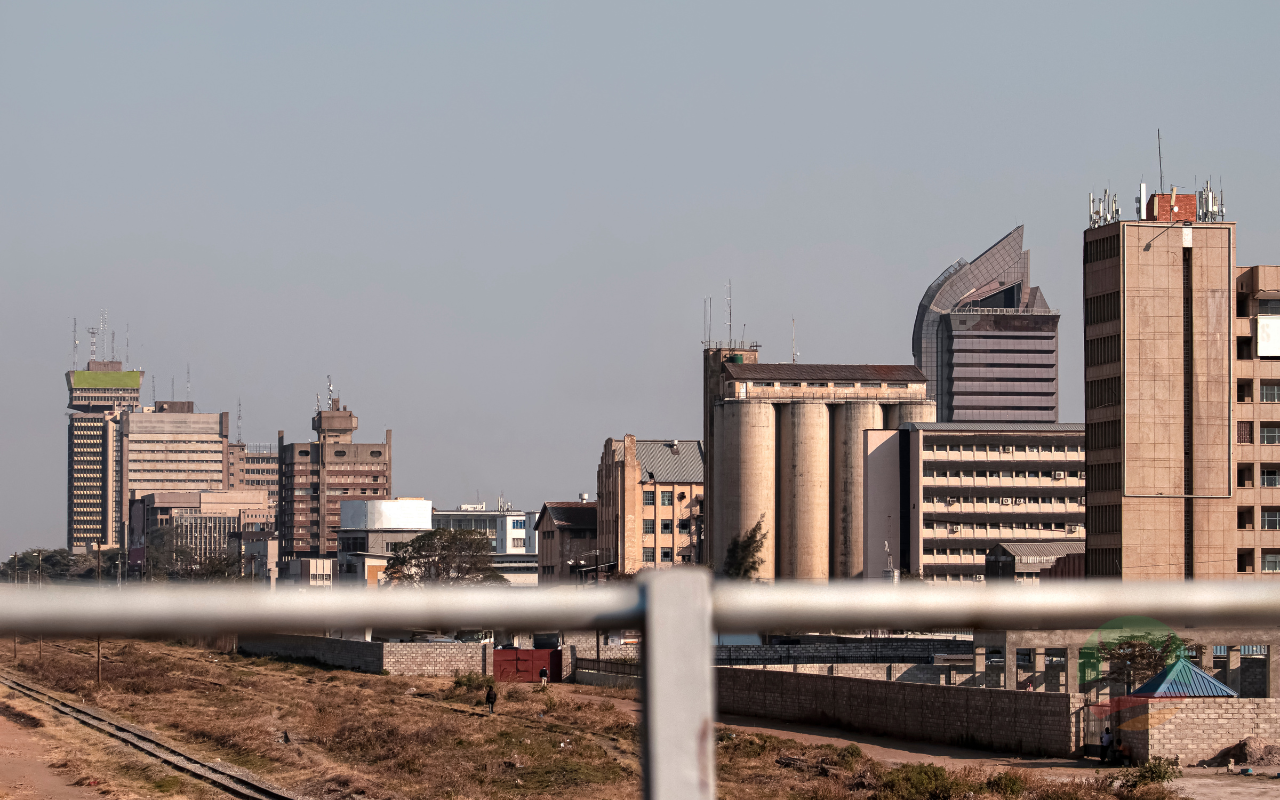
Photo: Ahmed akachaPexelsPexels License
LUSAKA, 20 JUNE 2026—Updated 21 Jun 2026
GENEVA — The number of people forced from their homes worldwide is falling for the first time in a decade, the UN refugee agency (UNHCR) says, after the largest wave of returns in its history.
The shift matters because forced displacement had risen relentlessly for ten years, and a turn — even a modest one — signals that some of the world’s worst crises are easing enough for people to go home. The agency published the figures around World Refugee Day. This story is part of Kwacha News’s continuing world coverage.
At the end of 2025, 117.8 million people were forcibly displaced by persecution, conflict and violence, according to the UNHCR Global Trends report — about 5.9 million fewer than a year earlier, a decline of almost 5%.
What the report shows
The fall is driven by returns, not by fewer people fleeing. Large numbers of refugees and internally displaced people went home in 2025 from some of the biggest displacement situations — Afghanistan, the Democratic Republic of the Congo, Sudan and Syria — in what UNHCR called the largest wave of returns it has recorded.
Syria led the movement. Around 1.3 million Syrians returned from abroad in 2025 after the fall of the Assad government, the agency says. Even so, the total displaced remains vast: 41.6 million people are refugees, including 28.5 million under UNHCR’s mandate and 6 million Palestine refugees under the separate UNRWA mandate.
For the first time in a decade, the number of people forced to flee worldwide has declined — driven by the largest wave of returns in the agency’s history.
— UNHCR Global Trends report, June 2026
Snapshot: UNHCR’s Global Trends report says 117.8 million people were forcibly displaced at the end of 2025, down about 5.9 million (almost 5%) on a year earlier — the first decline in a decade. The fall reflects large-scale returns in Afghanistan, the DR Congo, Sudan and Syria, including about 1.3 million Syrians. UNHCR warns many returnees go back to fragile conditions, and that humanitarian funding is shrinking.
Why it matters
A decade of rising displacement had become the baseline of global crisis. A decline, however slight, reframes the trend — and it lands at a moment when donor governments are cutting humanitarian budgets, making the agency’s job harder even as the headline number improves.
The caution in the report is as important as the number. UNHCR stresses that many people are returning to places where homes, jobs and services have been destroyed, and where socio-economic conditions remain extremely fragile. A return counted in the statistics is not the same as a life rebuilt.
The crises driving the figures reach into the region Kwacha News covers. The Democratic Republic of the Congo, one of the situations behind the returns, sits on Zambia’s northern border; Kwacha News has tracked the Ebola outbreak in the DRC near that border, a reminder that instability next door has direct consequences for Zambia.
Background — a decade of rising displacement
Forced displacement climbed almost every year for a decade, pushed by the wars in Syria and Ukraine, conflict in the Sahel and the Horn of Africa, and the collapse of order in Sudan. Each new emergency added to a global total that passed 120 million in recent years.
The 2025 turn does not erase that. At 117.8 million, the displaced population is still larger than the population of most countries, and the underlying drivers — conflict, persecution and, increasingly, climate shocks — have not gone away. Kwacha News reported how vulnerability compounds for the young in its coverage of child labour trapping 138 million children worldwide.
Africa hosts a large share of the world’s displaced, much of it within the continent rather than beyond it. Zambia is one of the countries that takes people in; on World Refugee Day, Kwacha News looked at how Zambia hosts more than 113,000 refugees in its settlements.
What to watch
The first thing to watch is whether the returns hold. If conditions in Syria or Sudan deteriorate again, people who went home could be displaced a second time, reversing the decline.
The second is funding. UNHCR’s warning about shrinking humanitarian budgets means the agency may have less to support both those who stay and those who return, just as the need shifts.
The third is the next set of crises. Displacement is driven by events that are hard to forecast; a single new war or climate disaster can undo a year of returns in months.
Frequently Asked Questions
These are the questions readers have been asking about the UNHCR figures. Short answers follow, drawn from the Global Trends report.
What is the UNHCR Global Trends report?
In short, it is UNHCR’s annual count of forced displacement worldwide. The answer, simply put, is that it tracks how many people are refugees or internally displaced. The key finding this year is that the total fell for the first time in a decade.
How does displacement compare with last year?
The answer is that it dropped. Data in the report shows 117.8 million people displaced at the end of 2025, about 5.9 million fewer than a year earlier — a decline of almost 5%.
Why is displacement falling now?
Simply put, because more people are returning home. Evidence in the report shows the largest wave of returns UNHCR has recorded, led by Syria, the DR Congo, Afghanistan and Sudan.
What are the new totals?
According to UNHCR, 117.8 million people remain forcibly displaced, including 41.6 million refugees. Analysis shows 28.5 million of those refugees fall under UNHCR’s mandate and 6 million are Palestine refugees under UNRWA.
Which countries drove the returns?
Research in the report shows the returns were led by Syria — about 1.3 million people after the fall of the Assad government — alongside the Democratic Republic of the Congo, Afghanistan and Sudan.
Sources
UNHCR: Global Trends report on forced displacement (published June 2026). Kwacha News coverage: the DRC Ebola outbreak near Zambia’s border, child labour worldwide and Zambia’s refugee settlements.
More on Africa/World

TAZARA at 50: Zambia weighs two routes to the sea
As TAZARA turns 50, landlocked Zambia is weighing two rival routes for its copper: east to the Indian Ocean via a rebuilt TAZARA, or west to the Atlantic via the Lobito Corridor.

African leaders back trade insurer ATIDI after record year
African leaders endorsed ATIDI — the pan-African insurer Zambia belongs to — as a cornerstone of a new African-led financial architecture, as the body marked 25 years with record 2025 results and a call to recapitalise it to US$2 billion.
The Kwacha News briefing.
Business, markets and the Zambian economy — in your inbox.
