

Zambia hosts 113,000 refugees on Refugee Day
On World Refugee Day, Zambia is home to more than 113,000 refugees — and is trying to turn its settlements from camps into economic hubs by folding refugees into national services.
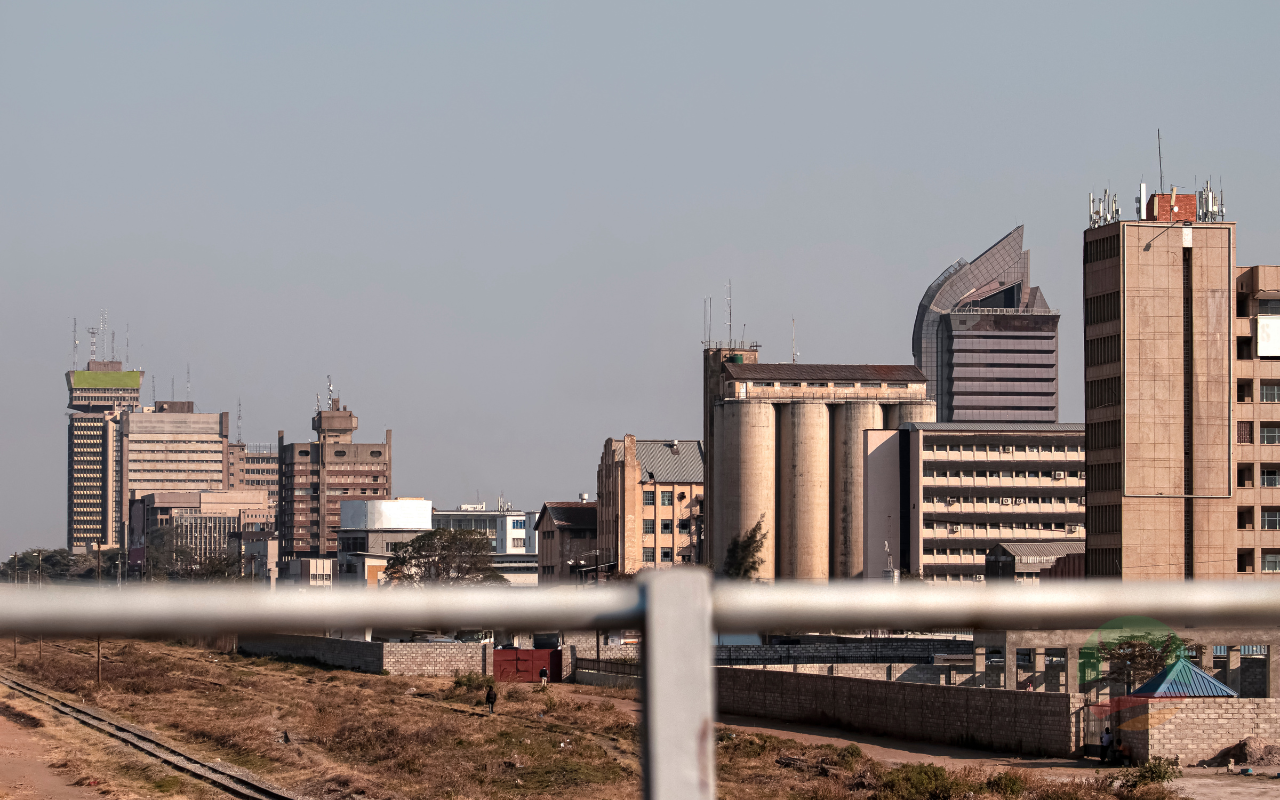
Photo: Khalil RadiUnsplashUnsplash License
LUSAKA, 20 JUNE 2026—Updated 20 Jun 2026
LUSAKA — Zambia is marking World Refugee Day as host to more than 113,000 refugees, most of them from the Democratic Republic of the Congo and the wider Great Lakes region.
The day matters because it puts a number and a policy behind a quiet fact of Zambian life: for decades the country has taken in people fleeing conflict, and it is now trying to make that hospitality work for hosts and refugees alike. This story is part of Kwacha News’s continuing local coverage.
Zambia hosts 113,054 refugees, asylum-seekers and other displaced people, according to the UN refugee agency (UNHCR). They live in the Meheba, Mayukwayukwa and Mantapala settlements and in Lusaka and other towns.
Who Zambia hosts
Most of the refugees are from the Democratic Republic of the Congo and the Great Lakes region, alongside long-settled Angolan and Rwandan former refugees whose displacement dates back decades. Zambia’s three main settlements — Meheba and Mayukwayukwa in the west and Mantapala in the north — have in some cases housed families across generations.
The system is run by the Office of the Commissioner for Refugees, working with UNHCR and partners. A whole-of-government approach is coordinated by an inter-ministerial steering committee chaired from the Office of the Vice-President, a sign that Zambia treats refugee policy as a national matter rather than a purely humanitarian one.
Southern Africa has shown that inclusion is not only possible but already happening, in spite of the challenges.
— Chansa Kapaya, UNHCR Regional Director for Southern Africa
Snapshot: Zambia hosts 113,054 refugees and other displaced people, most from the DR Congo and the Great Lakes region, plus long-settled Angolan and Rwandan former refugees. They live mainly in the Meheba, Mayukwayukwa and Mantapala settlements. Zambia is folding refugees into national health, education and economic systems and is reshaping the settlements as economic hubs, with UNHCR praising the approach as a model for the region.
From camps to economic hubs
Zambia’s approach has shifted from containment to inclusion. Rather than running the settlements as closed camps, the government is folding refugees into national health, education and economic systems and reshaping Meheba, Mayukwayukwa and Mantapala as economic hubs, supported by integrated development plans and a new agricultural road map aimed at climate-smart, market-oriented farming.
The logic is practical as well as principled. Refugees who can farm, trade and work contribute to the local economy instead of depending on aid, which matters more than ever as humanitarian funding shrinks worldwide. Kwacha News reported on the global picture as forced displacement fell for the first time in a decade, even as the money to support it tightened.
UNHCR has held Zambia up as an example. Its regional director, Chansa Kapaya, has praised the country’s commitment to a progressive response to displacement and said the approach could serve as a model for others and attract development investment.
Background — a long tradition of refuge
Zambia has taken in refugees since independence, sheltering people from liberation struggles and civil wars across the region — Angolans, Mozambicans, Rwandans, Burundians and, for many years, Congolese. Some groups have since gone home; others have been offered local integration and a path to stay.
The Democratic Republic of the Congo remains the largest source today, and instability there reaches across the border. Kwacha News has tracked the Ebola outbreak in the DRC near Zambia’s border, a reminder that what happens in the Great Lakes shapes life in northern Zambia.
Zambia and UNHCR have also begun a joint socioeconomic survey of refugees and their host communities, intended to guide where schools, clinics and farming support are most needed. The data, officials say, will shape how the settlements develop as the refugee population grows and changes, and help measure whether inclusion is improving lives rather than simply renaming the camps.
The country’s own institutions carry the weight of that history. Kwacha News reported on the death of Paramount Chief Mpezeni IV of the Ngoni, one of the traditional authorities whose communities sit close to the borders and settlements where displaced people arrive.
What to watch
The first thing to watch is funding. Zambia’s inclusion model depends on resources to run schools, clinics and farming support in the settlements, and shrinking global aid puts that under strain.
The second is integration in practice. Folding refugees into national systems is a policy on paper; whether it works depends on documents, services and jobs actually reaching people in Meheba, Mayukwayukwa and Mantapala.
The third is the Great Lakes. As long as the DR Congo remains unstable, Zambia should expect new arrivals — and the test of its policy is whether the settlements can absorb them without becoming permanent camps.
Frequently Asked Questions
These are the questions readers have been asking on World Refugee Day. Short answers follow, drawn from UNHCR figures and Zambian policy.
What is World Refugee Day?
In short, World Refugee Day is an annual day, marked on 20 June, that honours people forced to flee. The answer, simply put, is that it draws attention to refugees and those who host them. The key in Zambia is a population of more than 113,000.
How does Zambia host refugees?
The answer is through settlements and inclusion. Data from UNHCR shows refugees live mainly in Meheba, Mayukwayukwa and Mantapala, with the government folding them into national health, education and economic systems.
Why is Zambia praised for its approach?
Simply put, because it chose inclusion over containment. Evidence from UNHCR shows its regional director called Zambia’s progressive response a possible model for the region, especially as humanitarian funding declines.
What are the main refugee settlements?
According to UNHCR, the three main settlements are Meheba and Mayukwayukwa in western Zambia and Mantapala in the north, alongside refugees living in Lusaka and other urban centres.
Which countries do the refugees come from?
Research shows most come from the Democratic Republic of the Congo and the wider Great Lakes region, with long-settled Angolan and Rwandan former refugees whose displacement goes back decades.
Sources
UNHCR: Zambia country page and the UNHCR–Zambia socioeconomic survey. Kwacha News coverage: global displacement falls, the DRC Ebola outbreak near the border and the death of Paramount Chief Mpezeni IV.
More on Local

Great East Road to be widened into a dual carriageway
President Hakainde Hichilema pledged to widen the Great East Road into a dual carriageway and build the Chipata-Lundazi road, alongside a 100MW solar project and hospital upgrades in Eastern Province.

Lusaka widens Twin Palm Road into a dual carriageway
The Lusaka City Council says work to widen Twin Palm Road from a single into a dual carriageway is progressing and due for completion in September 2026, part of a 40.17km, K1.8 billion township roads programme funded by the Ministry of Local Government and Rural Development.

Kasama council reports progress on road rehabilitation
Kasama Municipal Council says a K11.4 million road rehabilitation programme funded through the 2025 Constituency Development Fund has completed St Theresa Road and is now grading Chiba Road, with Chanda Mukulu Road still to start.
The Kwacha News briefing.
Business, markets and the Zambian economy — in your inbox.