

WHO logs 906 suspected Ebola cases in DRC, Zambia border
The Bundibugyo outbreak across the border has now killed hundreds of suspected cases, sharpening the stakes for Zambia's northern frontier and Copperbelt trade.
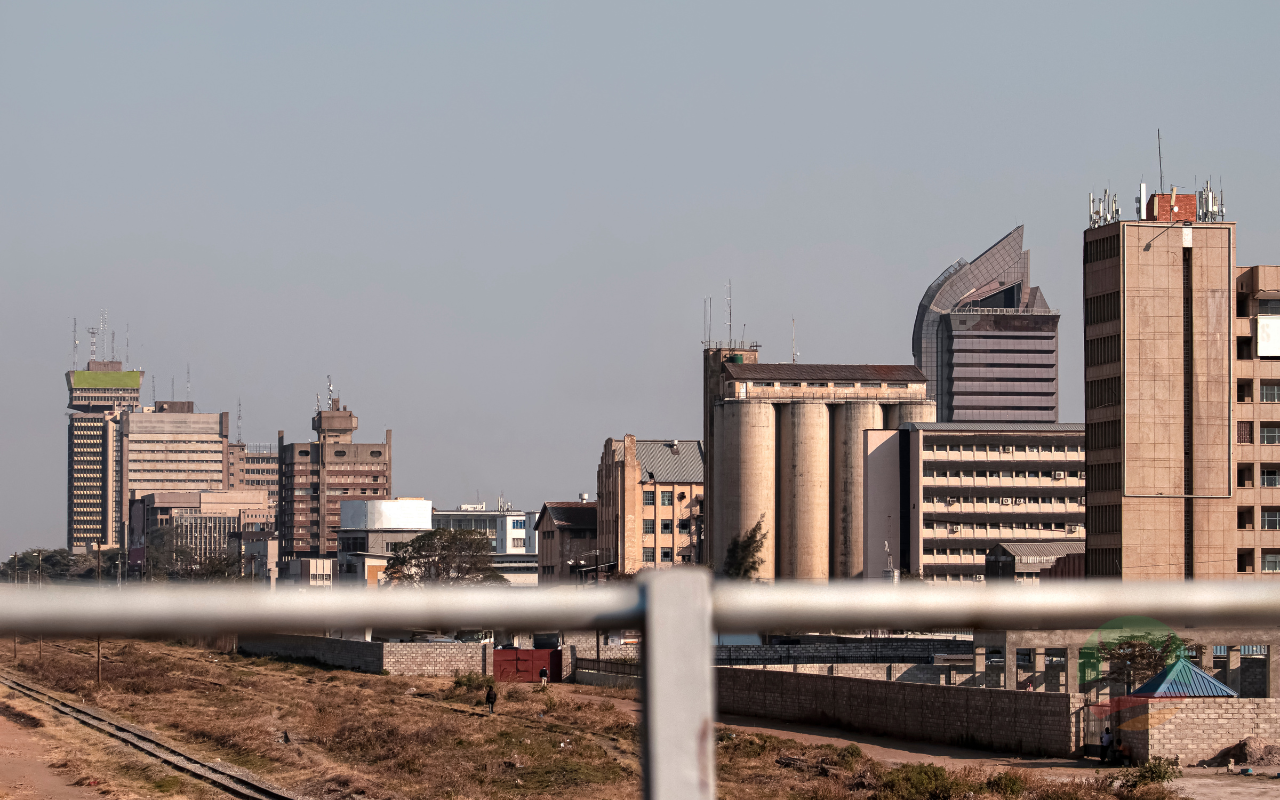
Photo: Yann ForgetwikidataCC BY-SA 3.0
LUSAKA, 30 MAY 2026—Updated 21 Jun 2026
GENEVA — The World Health Organization said the Bundibugyo Ebola outbreak in the Democratic Republic of the Congo now represents 906 suspected cases and 223 suspected deaths.
The figures, published on Friday, mark a sharp escalation of an outbreak that began with eight confirmed cases in mid-May. As the suspected toll rises, the pressure on Zambia, which shares a roughly 2,000km border with the DRC and runs much of its copper trade across it, moves a regional health alert closer to a domestic one.
At a glance: As of 27 May 2026, the World Health Organisation reported 906 suspected Ebola cases and 223 suspected deaths in the Democratic Republic of the Congo, with 125 confirmed cases across Ituri, North Kivu and South Kivu. The Bundibugyo strain has no approved vaccine. A Public Health Emergency of International Concern was declared on 17 May 2026. DR Congo borders Zambia to the north.
What the WHO reported
The WHO logs the running totals in its outbreak bulletins. As of 27 May, the DRC had recorded 906 suspected cases and 223 suspected deaths, alongside 125 laboratory-confirmed cases and 17 confirmed deaths, according to the WHO's Disease Outbreak News of 29 May. Counting Uganda, where nine cases and one death have been confirmed, the two countries together held 134 confirmed cases and 18 confirmed deaths by 29 May — a case fatality rate of 14% among confirmed infections.
The confirmed cases sit in three eastern DRC provinces — Ituri, North Kivu and South Kivu. Ituri accounts for 88% of them, concentrated in the health zones of Bunia, Rwampara, Mongbwalu and Nyankunde. The WHO said testing capacity was being expanded and that it expected to clear most of the backlog of samples from suspected cases in the coming days, a process that could move further suspected deaths into the confirmed column.
The outbreak is caused by Bundibugyo virus, an Orthoebolavirus species. Unlike the more familiar Zaire strain, Bundibugyo has no approved vaccine and no specific approved therapeutic, which is why the WHO has prioritised clinical trials of candidate treatments. The risk among confirmed cases runs high: the WHO's Anais Legand put the case fatality rate among confirmed infections at between 30% and 50%, well above the 14% drawn from the lower-bound count.
Why it lands on Zambia's border
Zambia is not on the WHO's list of confirmed cases, but it is squarely in the zone the agency flagged when it declared the outbreak a public health emergency of international concern on 17 May. In that declaration, the WHO warned that countries sharing land borders with the DRC face a heightened risk through population mobility, trade and travel linkages. Zambia's Copperbelt and North-Western provinces sit directly on that frontier.
The cross-border trade is dense. The DRC's own copper and cobalt output moves south through Zambian smelters and the road and rail corridors that carry Copperbelt mineral exports, while traders, hauliers and informal vendors cross daily at Kasumbalesa and other posts. That movement is exactly the channel the WHO identified as the outbreak's regional risk, and it is the channel Zambia moved to monitor when the first alerts came through. Kwacha News reported on those measures in its coverage of Zambia's DRC border screening, stood up before the suspected toll passed 200.
Countries sharing land borders with the Democratic Republic of the Congo face a heightened risk of importation due to population mobility, trade and travel linkages.
— World Health Organization, <a href="https://www.who.int/news/item/17-05-2026-epidemic-of-ebola-disease-in-the-democratic-republic-of-the-congo-and-uganda-determined-a-public-health-emergency-of-international-concern">public health emergency declaration, 17 May 2026</a>
The regional picture
The outbreak is unfolding in the same eastern provinces that have been destabilised by armed conflict, where the M23 advance and the strain on the health system have complicated the response. That instability is part of the wider corridor risk Zambia carries as a neighbour and trading partner, a theme Kwacha News set out in its analysis of the DRC-Rwanda mineral corridor and the Washington Accords. A weak health system in a conflict zone is harder to seal, and harder to seal means longer cross-border exposure.
The WHO has not confined the threat to Africa. A medical doctor from the United States who treated patients in the DRC tested positive on 17 May and was moved to Germany for care — evidence that the virus travels with the people who respond to it. WHO Director-General Dr Tedros Adhanom Ghebreyesus travelled to the DRC on 28 May to support the response. The agency rates the risk as very high at the national level in the DRC, high regionally, and low globally.
Background
Bundibugyo virus was first identified in 2007 in western Uganda, near the DRC border, and is one of the less common causes of Ebola disease. The current outbreak was confirmed in Ituri Province in mid-May with eight laboratory-confirmed cases, 246 suspected cases and 80 suspected deaths reported on 16 May. Within a fortnight the suspected count had multiplied several times over, prompting the WHO's emergency committee to recommend the highest level of alert under the International Health Regulations.
For Zambia the precedent is recent. Outbreaks in the DRC's east have repeatedly forced Lusaka to weigh screening, supply and contingency planning at the border, balancing public-health caution against the cost of disrupting the copper and cobalt trade that underpins the kwacha. The absence of a Bundibugyo vaccine narrows the toolkit to surveillance, isolation and supportive care — the same measures border officials lean on at the crossings.
What to watch
The first marker is the next WHO Disease Outbreak News update, which should show whether clearing the testing backlog pushes the confirmed count and the confirmed death toll sharply upward from the present 134 and 18. The second is any change in posture at Zambia's border posts — expanded screening hours, thermal checks or restrictions at Kasumbalesa would signal that Lusaka reads the regional risk as rising. The third is whether the WHO records any imported case in a DRC-bordering state, the event that would turn a neighbour's emergency into a domestic one. This story sits within Kwacha News's continuing world coverage of the outbreak and its reach into the region.
Frequently Asked Questions
These are the questions readers have been asking as the WHO's suspected-case count climbs. Short answers follow, drawn from the WHO's Disease Outbreak News, its emergency declaration and the Reuters wire from Geneva.
What is the Bundibugyo strain of Ebola?
In short, Bundibugyo virus is one of the Orthoebolavirus species that cause Ebola disease, first identified in Uganda in 2007. According to the WHO, the data shows it differs from the better-known Zaire strain in a way that matters for the response: there is no approved vaccine and no specific approved therapeutic for Bundibugyo, leaving surveillance, isolation and supportive care as the front line.
How does the outbreak reach Zambia's border?
The key is movement. WHO evidence shows the outbreak is concentrated in eastern DRC provinces that feed the cross-border trade and travel running south into Zambia's Copperbelt. Simply put, the same corridors that carry copper, cobalt, hauliers and informal traders across posts such as Kasumbalesa are the channel the WHO identified as the regional importation risk, which is why Zambia stood up screening early.
Why is the suspected death toll so much higher than the confirmed one?
The answer is testing capacity. WHO data shows 223 suspected deaths against 17 confirmed deaths in the DRC because a backlog of laboratory samples from suspected cases has not yet been processed. Analysis from the WHO found that as testing capacity expands, many suspected cases and deaths are expected to move into the confirmed column, so the confirmed totals are likely to rise.
What are Zambia's options without a vaccine?
In other words, prevention rests on detection rather than immunisation. Research on Bundibugyo shows no licensed vaccine exists, so according to the WHO the toolkit is border screening, case isolation, contact tracing and supportive care. The key is early care: the WHO reported that a recovered patient was discharged after two negative tests, evidence that prompt treatment improves the odds even without a vaccine.
Who is leading the WHO response?
Simply put, the WHO has put its most senior figure on the ground. According to the WHO, Director-General Dr Tedros Adhanom Ghebreyesus travelled to the DRC on 28 May to support the response, after the agency's emergency committee declared the outbreak a public health emergency of international concern on 17 May. The data shows the WHO rates the national risk in the DRC as very high, the regional risk as high, and the global risk as low.
Sources
World Health Organization: Disease Outbreak News, Bundibugyo Ebola, DRC & Uganda, 29 May 2026; public health emergency of international concern declaration, 17 May 2026. Reuters wire, datelined Geneva, 29 May 2026, reporting the WHO's figures and the case fatality estimate from the WHO's Anais Legand.
More on Africa/World

TAZARA at 50: Zambia weighs two routes to the sea
As TAZARA turns 50, landlocked Zambia is weighing two rival routes for its copper: east to the Indian Ocean via a rebuilt TAZARA, or west to the Atlantic via the Lobito Corridor.

African leaders back trade insurer ATIDI after record year
African leaders endorsed ATIDI — the pan-African insurer Zambia belongs to — as a cornerstone of a new African-led financial architecture, as the body marked 25 years with record 2025 results and a call to recapitalise it to US$2 billion.
The Kwacha News briefing.
Business, markets and the Zambian economy — in your inbox.
