

Child labour traps 138 million children worldwide
A new ILO and UNICEF estimate puts 138 million children in child labour — about one in 17 — with sub-Saharan Africa carrying 87 million, more than the rest of the world combined.
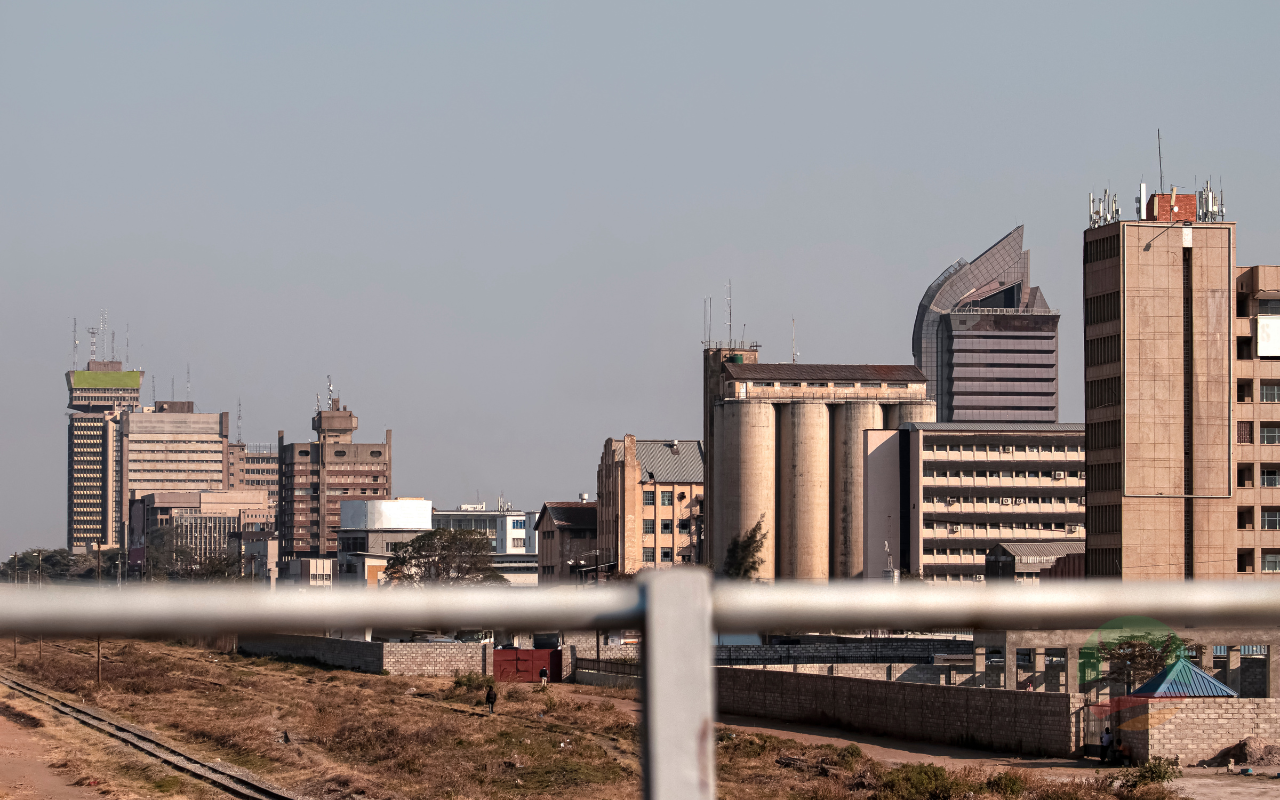
Photo: Jérémy TomawikidataCC BY-SA 4.0
LUSAKA, 12 JUNE 2026—Updated 21 Jun 2026
GENEVA — Child labour traps 138 million children worldwide, about one in 17, a figure that represents a generation working instead of learning.
The estimate matters for Zambia because sub-Saharan Africa carries the heaviest share by far — 87 million children, more than the rest of the world combined — and the sectors where child labour concentrates, farming and mining, are central to the Zambian economy. The figures come from a joint estimate by the International Labour Organization (ILO) and the United Nations children’s agency, UNICEF.
Of the 138 million children in child labour, some 54 million are in hazardous work — tasks involving heavy loads, toxic chemicals, dangerous machinery or long hours, Al Jazeera reported, citing the ILO and UNICEF data. Two in five children in hazardous work face those most dangerous conditions.
Agriculture is the largest setting by a wide margin, accounting for 61% of child labour, followed by services at 27% and industry — which includes mining, manufacturing and construction — at 13%. This story is part of Kwacha News’s continuing world coverage.
What the data shows
The headline figure is 138 million children in child labour out of about 2.4 billion children worldwide, or roughly one in 17. Within that total, 54 million are in hazardous work, the category the ILO and UNICEF treat as the most urgent because of the direct risk to a child’s health and safety.
The geography is stark. Sub-Saharan Africa accounts for 87 million children in child labour — more than every other region put together. The estimate attributes the concentration to poverty, limited public services and the climate and economic shocks that push families to rely on children’s work, with West Africa especially affected. Ghana alone counts more than 1.1 million children aged five to 17 in child labour.
The sectors map onto the work itself. Agriculture — farms, fisheries, forests and livestock — accounts for 61% of child labour, the kind of work common across rural Zambia. Industry, at 13%, includes mining, the sector where informal and artisanal operations can draw in children. The breakdown of hazardous tasks by age shows the youngest are not spared: millions of children aged five to 11 are among those in dangerous work.
It deprives children of education, exposes them to hazardous conditions.
— Lucia Soleti, UNICEF Ghana, on the cost of child labour, reported by <a href="https://www.aljazeera.com/economy/2026/6/11/one-in-17-children-is-working-here-are-the-industries-driving-child-labour">Al Jazeera</a>
Snapshot: An ILO and UNICEF estimate puts 138 million children in child labour worldwide — about one in 17 — with 54 million in hazardous work (Al Jazeera). Sub-Saharan Africa carries 87 million, more than the rest of the world combined. Agriculture accounts for 61% of child labour, services 27% and industry — including mining — 13%. A UN target to end child labour by 2025 was missed.
Background
The estimate lands after a missed deadline. The United Nations had set a target to end child labour by 2025, and that date has passed with tens of millions of children still working. The new figures are a measure of how far the goal remains, and of where the problem is most entrenched.
For Zambia, the relevance runs through agriculture and mining. The bulk of child labour worldwide sits in farming, the backbone of rural Zambian livelihoods, while mining — where Zambia’s economy is anchored — carries its own risks. Kwacha News has reported on the dangers of informal mining, including a death in illegal mining at Chingola and the policy response, a reminder of who is drawn into unregulated digging.
The estimate also speaks to the economics of how minerals are produced. As Zambia presses for more of the value of its copper to stay at home, the conditions under which it is mined matter too. Kwacha News covered the government’s push on local content and putting Zambians first in mining, a debate that sits alongside the question of safe, lawful work.
What to watch
The first thing to watch is whether governments set new targets after the 2025 deadline lapsed. A missed goal with no replacement risks losing momentum, so the signal will be whether a fresh, funded commitment follows.
The second is enforcement in agriculture and mining. Because most child labour is in farming and a significant share in industry, the test is whether labour inspection and rural services reach the places where children work, rather than only the formal economy.
The third is the role of poverty. UNICEF officials have stressed that the answer lies in structural solutions — incomes, schools, services — not training and enforcement alone. The decision point for governments, Zambia included, is whether the response treats child labour as a symptom of poverty or only as a crime to police.
Frequently Asked Questions
These are the questions readers have been asking about the child-labour estimate. Short answers follow, drawn from the ILO and UNICEF figures.
What is child labour?
In short, child labour is work that deprives children of their childhood, schooling or health, including hazardous tasks. The answer, simply put, is that an ILO and UNICEF estimate counts 138 million children in it worldwide, about one in 17. The key is that 54 million are in hazardous work.
Why is sub-Saharan Africa the epicentre?
The answer is poverty and weak services. According to the estimate, sub-Saharan Africa carries 87 million children in child labour, more than the rest of the world combined, and the data attributes the concentration to poverty, limited services and economic and climate shocks. The key is that West Africa is especially affected.
How does child labour affect children?
Simply put, it costs them their education and their safety. Evidence from UNICEF shows it deprives children of schooling and exposes them to hazardous conditions, and research shows two in five children in hazardous work face heavy labour, toxic chemicals or dangerous machinery. The key is the lasting harm to health and prospects.
Which industries use the most child labour?
According to the data, the answer is agriculture, which accounts for 61% of child labour, followed by services at 27% and industry — including mining, manufacturing and construction — at 13%. The analysis shows farming is by far the largest setting.
Who is working to end child labour?
The answer is the ILO, UNICEF and national governments. Research from the two agencies provides the estimates, and officials have stressed that ending child labour needs structural solutions — incomes, schools and services — beyond enforcement alone.
Sources
Al Jazeera: One in 17 children is working: the industries driving child labour, citing the International Labour Organization and UNICEF. Kwacha News coverage: a death in illegal mining at Chingola and local content and Zambians first in mining.
More on Africa/World

TAZARA at 50: Zambia weighs two routes to the sea
As TAZARA turns 50, landlocked Zambia is weighing two rival routes for its copper: east to the Indian Ocean via a rebuilt TAZARA, or west to the Atlantic via the Lobito Corridor.

African leaders back trade insurer ATIDI after record year
African leaders endorsed ATIDI — the pan-African insurer Zambia belongs to — as a cornerstone of a new African-led financial architecture, as the body marked 25 years with record 2025 results and a call to recapitalise it to US$2 billion.
The Kwacha News briefing.
Business, markets and the Zambian economy — in your inbox.
