

Ebola deaths pass 2,000 as WHO warns of deadliest outbreak
The outbreak declared on 15 May is on course to become the worst on record, the World Health Organization says, with a strain now linked to a new route of animal transmission.
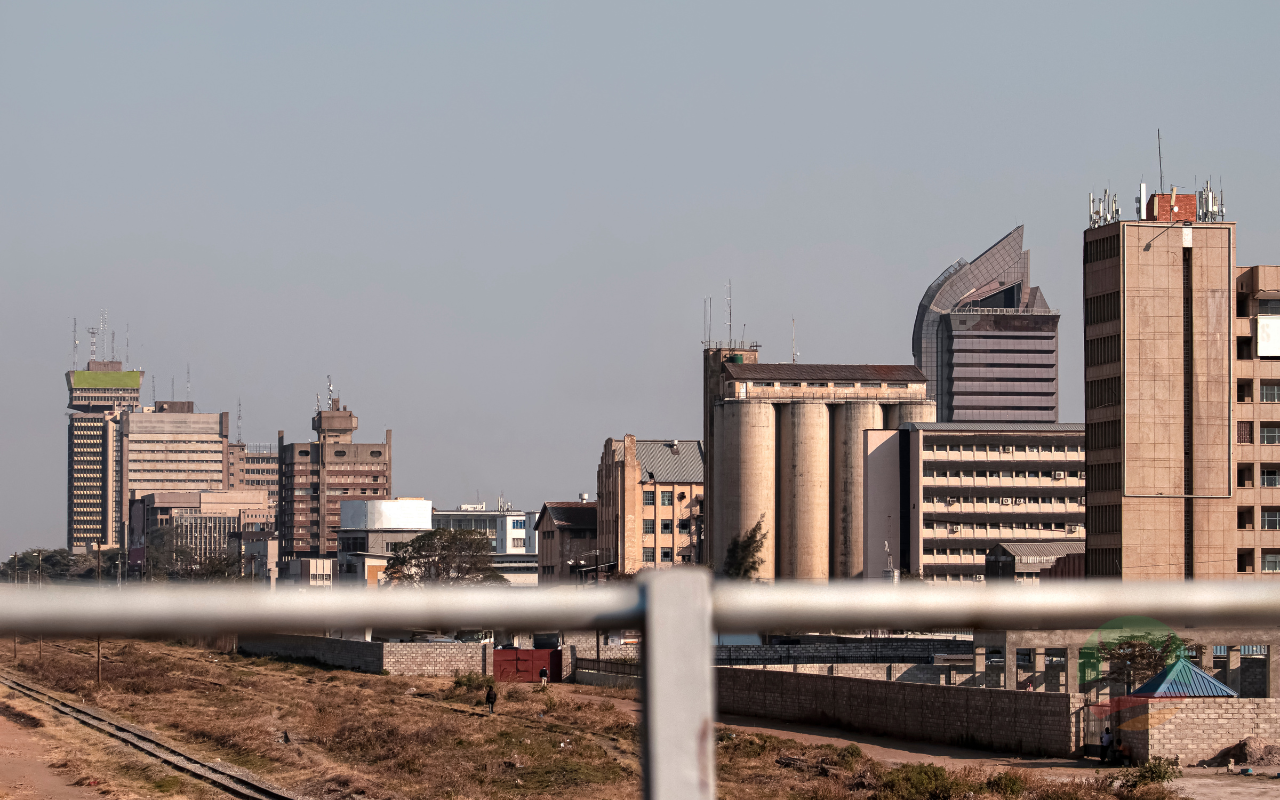
Photo: DΛVΞ GΛRCIΛPexelsPexels License
LUSAKA, 13 AUGUST 2026—Updated 13 Aug 2026
LUSAKA — The Ebola outbreak across Zambia's northern border is on track to become the deadliest on record, the head of the World Health Organization (WHO) warns.
Deaths pass 2,000 since the outbreak was declared on 15 May, with thousands more cases reported, the BBC reported. Al Jazeera reported that the latest strain has been linked to a new route of animal transmission — a finding that changes what containment has to account for.
Why this reaches Zambia
Zambia shares a long northern border with the Democratic Republic of the Congo, and the trade and family movement across it does not stop for an outbreak. Kwacha News has followed the epidemic since the case count was in the hundreds, reporting when it stood at 598 cases near the Zambian border and again a week later at 782.
The Copperbelt and North-Western provinces sit closest to the traffic. Border screening, treatment-centre readiness and the speed of case-finding on the Zambian side are what stand between an outbreak in a neighbouring country and an outbreak at home.
The outbreak in numbers: declared 15 May 2026 · more than 2,000 deaths · thousands of further cases reported · WHO assessment — on track to be the deadliest Ebola outbreak recorded · new animal-transmission route identified.
What a new transmission route means
Ebola reaches humans from an animal reservoir, and each outbreak begins with a spillover event before human-to-human transmission takes over. Al Jazeera reported that this outbreak has been attributed to a new form of animal transmission.
The practical consequence is that public-health advice built around previously understood exposure routes may not cover every risk. Surveillance has to widen, and the messaging that tells communities what to avoid has to be rewritten while the outbreak is still running.
The Democratic Republic of the Congo has already reached for population-level restrictions, banning gatherings in its capital as the outbreak spread — a step Kwacha News reported on when the ban was announced. Measures of that kind buy time for the clinical response, but they also carry a cost in public trust when communities doubt the motive behind them.
The tools that work
The response toolkit has not changed. Case-finding, isolation of confirmed patients, contact tracing, safe and dignified burials, vaccination where a matched vaccine exists, and clear public communication are what have ended previous outbreaks.
Each of those depends on public trust. Kwacha News reported earlier in this outbreak on misinformation framing the epidemic as an invention, which discourages people from presenting at treatment centres and from cooperating with contact tracers. Research on past outbreaks shows that where trust fails, transmission continues regardless of how much clinical capacity is deployed.
The outbreak, declared on 15 May, has caused more than 2,000 deaths, with thousands more reported cases.
— BBC News, <a href="https://www.bbc.co.uk/news/articles/cgk4pex4mn8o">Ebola outbreak on track to be deadliest ever, WHO chief says</a>, 13 August 2026
Surveillance as infrastructure
The argument that disease surveillance should be treated as infrastructure rather than as an emergency expense has gained ground across the continent during this outbreak, and was set out in an analysis published by Daily Maverick on 12 August. The reasoning is straightforward: detection systems are cheap relative to the cost of a response, and they only work if they are already running when the first case appears.
That distinction has budget consequences. Emergency spending arrives after an outbreak is visible and is spent under time pressure at premium cost. Infrastructure spending is routine, unglamorous and largely invisible when it works — which is precisely why it is the first line cut when a health budget tightens.
For Zambia the relevant question is not whether the health system could handle a large outbreak, but how quickly it would notice a small one.
What to watch
Three markers matter over the coming weeks: whether the death toll's growth rate slows, whether the newly identified transmission route changes WHO guidance, and whether any case is confirmed on the Zambian side of the border. Kwacha News will continue to follow the outbreak as part of its health coverage.
Frequently Asked Questions
These are the questions readers have been asking about the Ebola outbreak and the risk to Zambia. Short answers follow, drawn from the World Health Organization, the BBC and Al Jazeera.
How many people have died in this Ebola outbreak?
In short, more than 2,000. Data reported by the BBC shows the outbreak was declared on 15 May and has since caused over 2,000 deaths with thousands of further cases. The key is that the WHO assessment places it on track to be the deadliest on record.
Is Ebola in Zambia?
The answer is that the outbreak is centred in the Democratic Republic of the Congo, not Zambia. Simply put, the risk to Zambia is a border risk — driven by movement across a long shared frontier rather than by established local transmission.
What is animal transmission of Ebola?
Evidence shows Ebola lives in an animal reservoir and reaches people through a spillover event before spreading person to person. Al Jazeera reported that this outbreak has been linked to a new form of animal transmission, which means exposure guidance built on earlier routes may be incomplete.
What stops an Ebola outbreak?
Research on previous epidemics shows the answer is not a single intervention. Case-finding, isolation, contact tracing, safe burials, vaccination where available and honest public communication work together. In other words, the response is only as strong as the community cooperation behind it.
Why does misinformation matter during an outbreak?
The key is behaviour. Analysis of this outbreak shows that content framing the epidemic as a hoax discourages people from seeking treatment and from cooperating with tracers. According to public-health researchers, that delay is what turns a contained cluster into sustained transmission.
Sources
BBC News: Ebola outbreak on track to be deadliest ever, WHO chief says. Al Jazeera: Ebola outbreak caused by new animal transmission — what that means. World Health Organization: Ebola virus disease. Earlier Kwacha News reporting: 598 cases near the Zambian border, the count at 782, and misinformation around the outbreak.
More on Health

Zambia restarts radiotherapy after five years offline
Radiotherapy has resumed at Lusaka's Cancer Diseases Hospital after a US$31 million upgrade funded entirely from domestic resources, ending a five-year gap in advanced cancer treatment.

Zambia requires validation before new TB testing rollout
Zambia's tuberculosis laboratories are validating new diagnostic devices, including the swab-based MiniDock, before wider rollout, health officials say, as GeneXpert costs and thin facility coverage strain the testing programme.

DRC begins Ebola treatment trial as toll rises
A treatment trial has begun in the Democratic Republic of Congo's Ebola outbreak, where WHO figures reported by the BBC put confirmed cases at 1,406 and deaths at 438, with a further 301 cases suspected.
The Kwacha News briefing.
Business, markets and the Zambian economy — in your inbox.