

DR Congo bans capital gatherings over Ebola outbreak
A public-health order to slow Ebola collides with politics, as the opposition says the ban also conveniently halts a planned protest — and the region, Zambia included, watches.
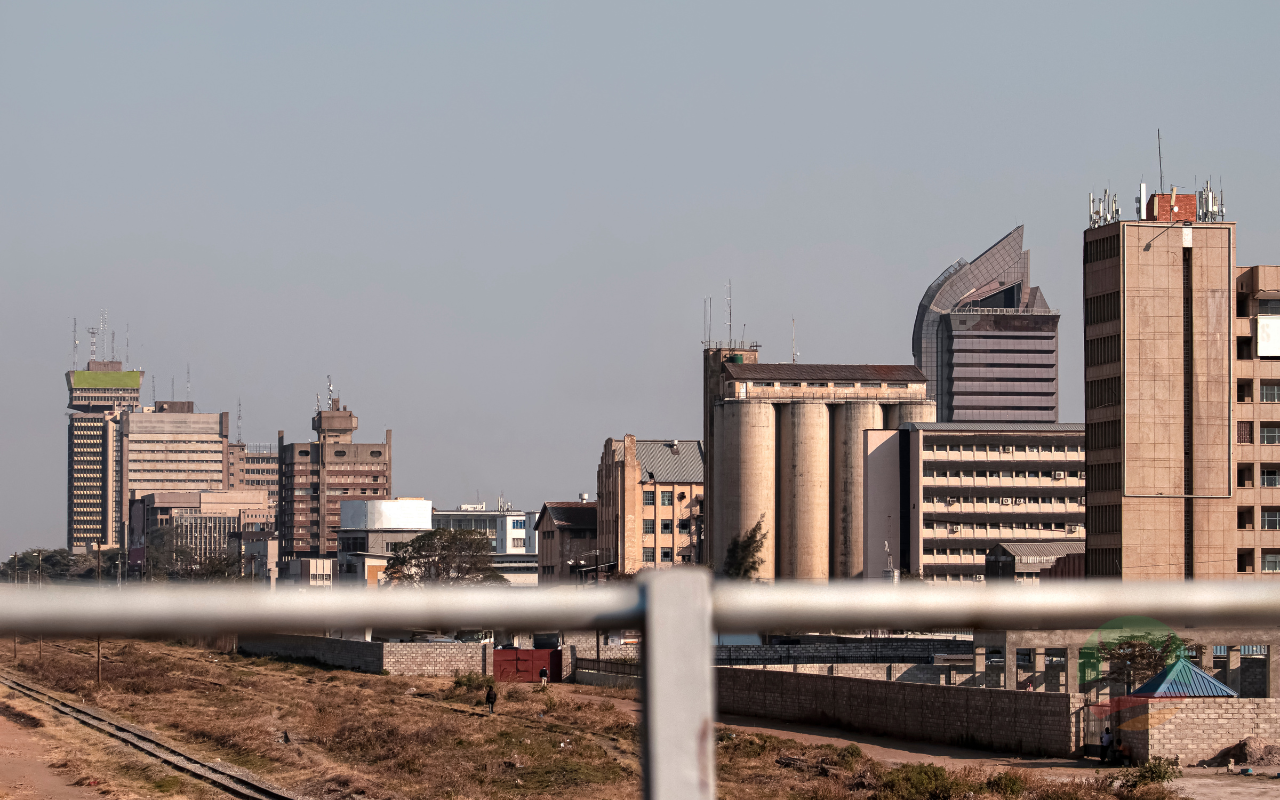
Photo: Jerome GovenderPexelsPexels License
LUSAKA, 30 JUNE 2026—Updated 30 Jun 2026
KINSHASA — The Democratic Republic of Congo is banning mass gatherings in its capital to slow an Ebola outbreak, a restriction that raises the health alert across a region that includes Zambia.
The order sits at the meeting point of public health and politics. Limiting crowds is a standard way to slow Ebola, which spreads through contact between people. But opposition politicians in the Democratic Republic of Congo say the ban also conveniently blocks a planned protest, turning a health measure into a test of trust between the government and its critics.
The order in brief: The Democratic Republic of Congo has banned mass gatherings in its capital to curb an Ebola outbreak, the BBC reported. Opposition politicians accuse the government of using the outbreak to halt a planned protest. Ebola is a severe, often fatal viral disease that spreads through contact with infected bodily fluids.
The government framed the ban as a precaution to keep crowds from accelerating transmission while health teams trace contacts and contain the outbreak, according to the BBC. Mass-gathering restrictions are part of the standard Ebola playbook, used to buy time for vaccination and case-finding in the early, most dangerous phase of a flare-up.
The politics complicate the picture. Opposition figures argue the timing is too neat, with a protest they had planned now caught by the same order, the BBC reported. The dispute matters because public trust is itself a tool of outbreak control: communities that doubt the motives behind a restriction are slower to cooperate with the contact-tracing and safe-burial measures that actually stop Ebola.
For Zambia and the Democratic Republic of Congo's other neighbours, the immediate concern is the border. Kwacha News has reported on Africa CDC-backed cross-border screening tied to earlier DRC Ebola activity, the front line of regional defence. A long, busy frontier and constant trade and family movement mean any Congolese outbreak puts health teams on alert in Lusaka and on the Copperbelt, even when the epicentre is far away.
Ebola spreads through direct contact with the blood or bodily fluids of an infected person. Reducing large gatherings is a recognised public-health measure to limit transmission during an outbreak.
— World Health Organization, <a href="https://www.who.int/health-topics/ebola">Ebola virus disease guidance</a>
Why this matters for Zambia
Zambia shares one of its longest borders with the Democratic Republic of Congo, running along the Copperbelt and North-Western Province, with copper trucks, traders and families crossing daily. That traffic is an economic lifeline and an epidemiological risk in the same breath. When Ebola appears anywhere in the Democratic Republic of Congo, Zambian health authorities and their regional partners typically raise screening at crossings and ready isolation capacity, because the cost of a late response is measured in lives.
Zambia has shown it can mount large public-health operations when it has to, as Kwacha News saw in the national polio campaign that reached millions of children. The same machinery — surveillance, rapid response, community outreach — is what a cross-border Ebola threat would call on. Tracking that readiness is part of Kwacha News's health coverage.
Background
Ebola virus disease is a severe illness with a high fatality rate if untreated, spread through contact with the bodily fluids of infected people and contaminated surfaces. The Democratic Republic of Congo has faced repeated Ebola outbreaks and has built real expertise in responding to them, including the use of vaccines and rapid-response teams. Mass-gathering bans, school closures and movement limits are familiar tools in the early days of containment. Past responses in the Democratic Republic of Congo have shown that speed and community trust, more than force, decide how fast an outbreak is brought under control.
What to watch
Watch the case numbers and whether the outbreak stays in the capital or spreads toward the Democratic Republic of Congo's borders. Watch, too, how the dispute over the protest is resolved — a transparent, time-limited health order earns more cooperation than an open-ended ban. For Zambia, the marker is whether cross-border screening and regional coordination step up before, not after, any case nears the frontier. The World Health Organization and Africa CDC typically publish situation updates as an outbreak develops, the signals neighbouring governments act on.
Sources
Reporting via BBC News: DR Congo bans mass gatherings to prevent the spread of Ebola. Health context: World Health Organization, Ebola virus disease.
Frequently Asked Questions
These are the questions readers have been asking since the Democratic Republic of Congo announced the ban. Short answers follow, drawn from the reporting and from World Health Organization guidance on Ebola.
What did DR Congo do?
In short, it banned mass gatherings in its capital to curb an Ebola outbreak. The answer, simply put, is that the government restricted crowds as a containment measure, the BBC reported. Opposition politicians say the order also blocks a planned protest.
What is Ebola?
The key is how it spreads. According to the World Health Organization, Ebola virus disease is a severe, often fatal illness transmitted through direct contact with the blood or bodily fluids of infected people. Evidence shows early response — case-finding, vaccination and safe burials — is what stops it.
Is there a risk to Zambia?
The answer is heightened vigilance, not panic. Data on past outbreaks shows the main risk to neighbours comes through cross-border movement, which is why screening at crossings rises during a Democratic Republic of Congo outbreak. No threat to Zambia has been declared, but the regional alert is up.
Why are gatherings banned during outbreaks?
In other words, to cut contact. Research on Ebola response shows large gatherings can accelerate transmission, so limiting them buys time for contact-tracing and vaccination. The measure works best when it is transparent, time-limited and trusted by the public.
Why is the ban controversial?
Analysis of the row shows the controversy is about trust. Opposition politicians accuse the government of using the outbreak to halt a protest, the BBC reported, and a health order seen as politically convenient can undercut the very cooperation that outbreak control depends on. The evidence on Ebola is clear that public trust saves lives.
More on Health

Ebola deaths pass 2,000 as WHO warns of deadliest outbreak
More than 2,000 people have died since the Ebola outbreak was declared on 15 May, and the WHO says it is on track to be the deadliest on record. Zambia's exposure runs through its northern border.

Zambia restarts radiotherapy after five years offline
Radiotherapy has resumed at Lusaka's Cancer Diseases Hospital after a US$31 million upgrade funded entirely from domestic resources, ending a five-year gap in advanced cancer treatment.
The Kwacha News briefing.
Business, markets and the Zambian economy — in your inbox.

