

DR Congo Ebola cases climb to 782 as outbreak spreads
The Democratic Republic of Congo has confirmed 782 Ebola cases and 178 deaths as the outbreak reaches two more health zones, keeping Zambia’s northern border on watch.
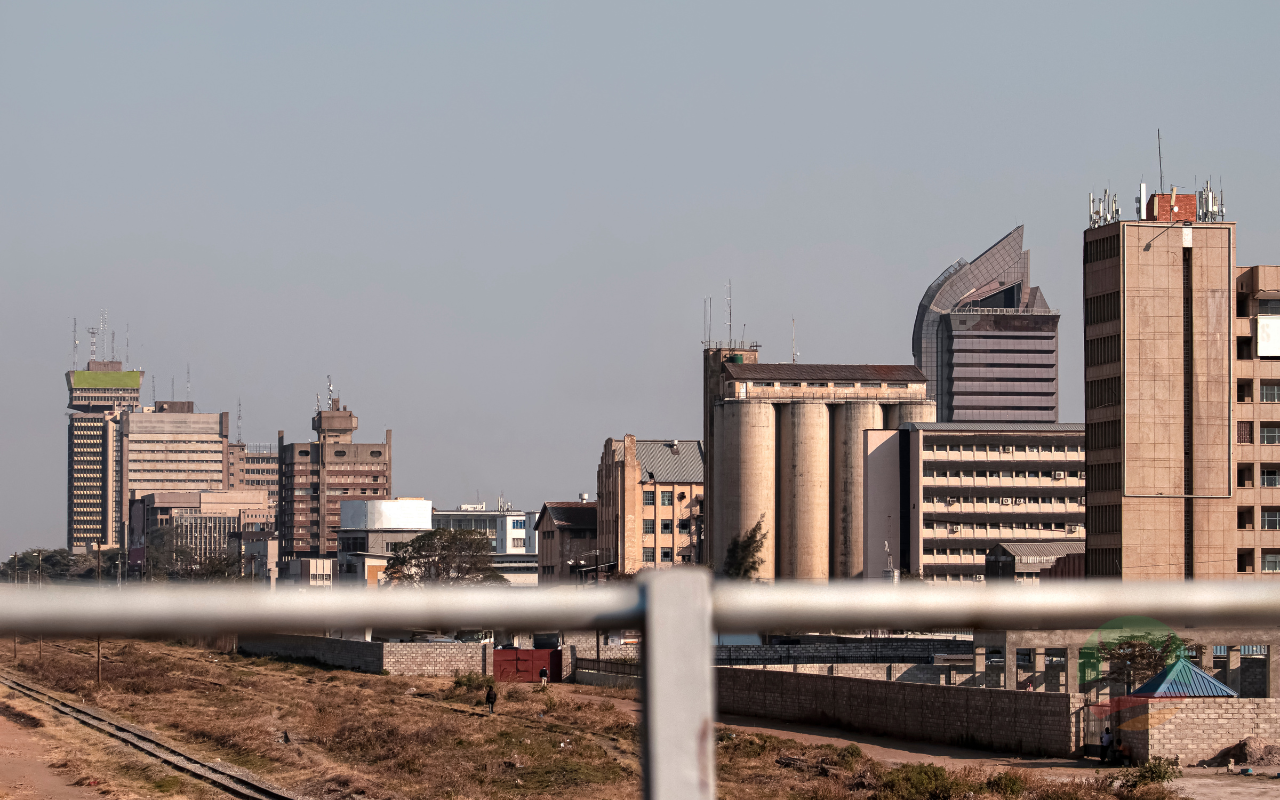
Photo: Random InstituteUnsplashUnsplash License
LUSAKA, 16 JUNE 2026—Updated 20 Jun 2026
LUSAKA — Ebola in the Democratic Republic of Congo is now confirmed in 782 cases with 178 deaths, an escalation that keeps Zambia's northern border on alert.
The rising count matters to Zambia because the outbreak is spreading in DR Congo's east, and the World Health Organization rates the risk to neighbouring countries as high — driven by the cross-border trade and mining movement that links the two economies. This is part of Kwacha News's continuing health coverage.
The DR Congo health authorities reported 72 new confirmed cases, including 29 deaths, in a single day in the eastern provinces of Ituri and North Kivu, Al Jazeera reported. The outbreak has now reached 31 health zones across three provinces.
What the figures show
The outbreak, caused by the Bundibugyo strain of the Ebola virus, was declared in mid-May 2026 and has grown steadily since. Two more health zones — Nia-Nia in Ituri and Mabalako in North Kivu — were added in the latest update, bringing the total to 31 across Ituri, North Kivu and South Kivu.
The World Health Organization has described new cases being identified in fresh health zones on a near-daily basis, the pattern of an outbreak still widening rather than coming under control. The agency assesses the national risk as very high and the risk to bordering countries as high.
The risk to countries with land borders adjoining affected nations is high, due to sustained population mobility linked to cross-border trade and mining activities.
— World Health Organization, <a href="https://www.who.int/emergencies/disease-outbreak-news/item/2026-DON606">Ebola disease outbreak news</a>
Snapshot: DR Congo has confirmed 782 Ebola cases and 178 deaths in the 2026 Bundibugyo-virus outbreak, declared in mid-May. The disease has reached 31 health zones across Ituri, North Kivu and South Kivu, with two new zones — Nia-Nia and Mabalako — added in the latest update. The WHO rates the risk to bordering countries, which include Zambia, as high because of cross-border trade and mining movement.
Why it matters for Zambia
Zambia shares a long border with DR Congo along the Copperbelt and North-Western provinces, and the two countries are tied together by copper, trade and the daily movement of people. That traffic is exactly what the WHO points to when it rates the cross-border risk as high.
Kwacha News reported the same outbreak when DR Congo's count stood at 598 cases; the climb to 782 in the days since shows how quickly the picture is changing. The earlier coverage of the vaccine research racing the DR Congo outbreak set out the tools available to contain it.
For Zambian readers, the practical questions are screening at border posts, readiness at Copperbelt health facilities, and clear public information — the same defences that contained earlier scares without a confirmed case crossing into Zambia.
Background — the Bundibugyo strain
Ebola is not a single virus but a group of related strains. The Bundibugyo strain behind this outbreak is one of the species that causes Ebola disease in humans, first identified in Uganda in 2007. It spreads through contact with the bodily fluids of infected people, which is why funerals and household care are common points of transmission.
The DR Congo has more experience of Ebola than any country in the world, having fought repeated outbreaks. That experience matters: contact tracing, safe burials, vaccination and treatment centres are the proven tools, and how fast they are deployed in Ituri and North Kivu will decide how far this outbreak runs.
The strain also shapes the medical response. The licensed Ebola vaccines stockpiled for emergencies were developed against the Zaire strain, the species behind most recent outbreaks, so their protection against the Bundibugyo strain is not assured. That gap puts more weight on the older public-health defences — isolation, tracing and safe burials — and on getting candidate treatments to the affected zones quickly.
What to watch
The first thing to watch is the case curve. Whether the near-daily addition of new health zones slows is the clearest sign of whether the response is catching up with the spread.
The second is the border. Zambian and regional health authorities will be watching the points where people cross from DR Congo, and any screening or alert measures announced at Copperbelt and North-Western crossings.
The third is vaccines and supplies. The speed at which doses, treatment units and trained staff reach the affected zones is the variable that has ended previous DR Congo outbreaks.
Frequently Asked Questions
These are the questions readers are asking about the DR Congo Ebola outbreak. Short answers follow, drawn from World Health Organization updates and outbreak reporting.
How many Ebola cases are there in DR Congo?
In short, 782 confirmed cases and 178 deaths in the latest update. The answer, simply put, is that the outbreak grew by 72 confirmed cases, including 29 deaths, in a single day in Ituri and North Kivu. WHO data shows the disease has reached 31 health zones.
What kind of Ebola is this?
Simply put, it is the Bundibugyo strain, one of the virus species that causes Ebola disease in humans. The key is that it spreads through contact with the bodily fluids of infected people.
Is Zambia at risk?
The answer is that the risk is rated high for bordering countries. Evidence from the WHO assessment points to cross-border trade and mining movement along the Zambia–DR Congo border as the reason, though no case has been confirmed in Zambia.
How does Ebola spread?
The key is direct contact. Ebola passes through the bodily fluids of infected people, so household care and funerals are common transmission points. Research on past outbreaks shows safe burials and contact tracing are central to stopping it.
When was the outbreak declared?
The answer is mid-May 2026. According to the WHO, the DR Congo declared this Bundibugyo-virus outbreak — the country's seventeenth — and it has widened across three eastern provinces since.
Sources
World Health Organization: Ebola disease outbreak news, DR Congo and Uganda. Al Jazeera: Alarm as Ebola spreads into new areas of DR Congo. Kwacha News coverage: the outbreak at 598 cases and vaccine research racing the outbreak.
More on Health

Ebola deaths pass 2,000 as WHO warns of deadliest outbreak
More than 2,000 people have died since the Ebola outbreak was declared on 15 May, and the WHO says it is on track to be the deadliest on record. Zambia's exposure runs through its northern border.

Zambia restarts radiotherapy after five years offline
Radiotherapy has resumed at Lusaka's Cancer Diseases Hospital after a US$31 million upgrade funded entirely from domestic resources, ending a five-year gap in advanced cancer treatment.
The Kwacha News briefing.
Business, markets and the Zambian economy — in your inbox.

