

Seven recover from Ebola in DRC but hoax claims spread
Seven Ebola patients have recovered and left a DRC treatment centre, but viral misinformation claiming the outbreak is a hoax is undermining the public-health response in affected provinces.
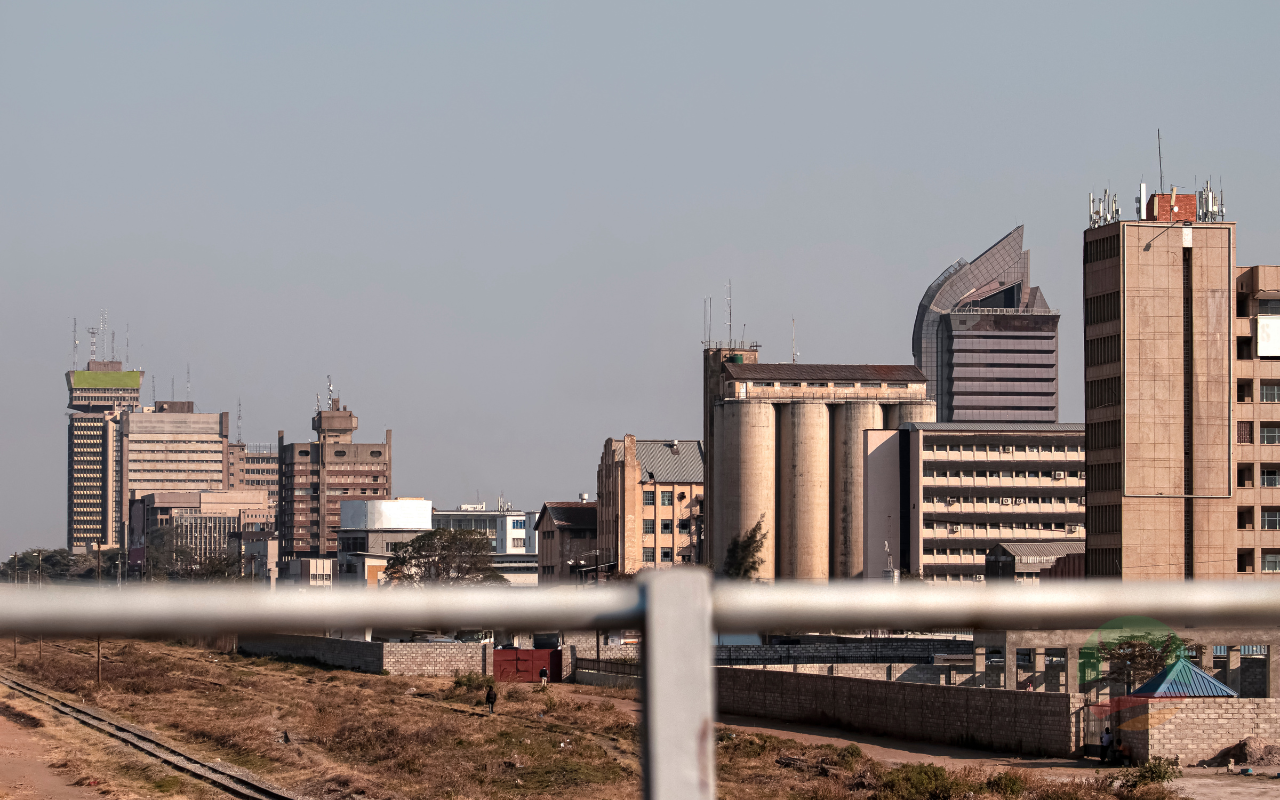
Photo: Martha Dominguez de GouveiaUnsplashUnsplash License
LUSAKA, 17 JUNE 2026—Updated 17 Jun 2026
KINSHASA — Seven Ebola patients have been discharged from a treatment centre in the Democratic Republic of Congo after recovering from the disease, a rare piece of good news in an outbreak now battling a second enemy: viral misinformation claiming the epidemic is a hoax.
The recoveries, confirmed by health authorities in the eastern provinces, show that patients can survive the Bundibugyo strain of the Ebola virus when they receive prompt supportive care. But that message is being drowned out by conspiracy theories spreading on social media, where a video claiming "There is no Ebola here, everyone is living their best life" has been liked more than 41,000 times on X, Al Jazeera reported. This is part of Kwacha News's continuing health coverage.
For Zambia, a country that shares a long border with the DR Congo along the Copperbelt and North-Western provinces, the combination of a growing outbreak and public denial of it in the affected region is a compounding risk. Misinformation that discourages people from seeking treatment or cooperating with contact tracers makes containment harder and raises the probability of undetected spread towards border communities.
The outbreak by the numbers
Data from the United States Centers for Disease Control and Prevention, updated on 15 June 2026, puts the DR Congo's confirmed case count at 837, with 196 deaths, according to the CDC situation summary. The outbreak is concentrated in three eastern provinces — Ituri, Nord-Kivu and Sud-Kivu — the same region that has endured repeated cycles of conflict and disease.
Uganda has also been drawn in, recording 19 confirmed cases and 2 deaths, plus 1 probable case and 1 probable death, primarily in the Kampala district. The CDC has recommended that travellers avoid non-essential travel to Ituri, Nord-Kivu and Sud-Kivu, and has issued a Level 2 travel health notice for Uganda.
The strain behind the outbreak is the Bundibugyo orthoebolavirus, one of four Ebola virus types known to cause disease in humans. Crucially, no licensed vaccine exists for this strain. The vaccines stockpiled by the World Health Organization and deployed in previous outbreaks were developed against the Zaire strain, which means the response in the DR Congo is relying entirely on supportive care — fluids, fever management and treatment of complications — rather than immunisation.
That absence of a vaccine puts enormous weight on the older public-health tools: rapid isolation of confirmed cases, thorough contact tracing, safe and dignified burials, and clear public communication. It is the last of those tools that misinformation is now attacking.
Misinformation undermines the response
The false claims circulating in the affected provinces range from outright denial that the disease exists to conspiracy theories accusing authorities and aid organisations of inventing the outbreak for financial gain, Standard Media Kenya reported. One persistent theory holds that nonprofit workers brought the disease themselves in order to attract more funding.
The viral X video, which shows a man walking through a busy street and declaring that life is normal, has become a symbol of the denial movement. By framing the outbreak as an invention, the video and others like it discourage people from presenting at treatment centres when they develop symptoms, from cooperating with contact tracers who visit their households, and from following safe-burial protocols that prevent the deceased from transmitting the virus.
Conspiracy theories about Ebola are rampant even as the outbreak widens, with false claims ranging from denial of the disease to accusations that aid workers manufactured it for profit.
— The Washington Post, <a href="https://www.washingtonpost.com/world/2026/05/26/ebola-conspiracies-are-rampant-outbreak-widens/">reporting on Ebola conspiracies</a>
Health workers on the ground have described the dual challenge of treating a deadly virus while simultaneously trying to convince communities that the virus is real. The seven recoveries offer a counterargument — living proof that the disease exists and that treatment works — but whether that evidence can cut through the noise of social media is an open question.
The misinformation problem is not unique to this outbreak. Previous Ebola epidemics in the DR Congo, particularly the 2018–2020 outbreak in North Kivu and Ituri, were also hampered by community resistance fuelled by false information. In that outbreak, treatment centres were attacked and health workers killed. The current cycle of denial, while not yet violent, follows a familiar and dangerous pattern.
Why Zambia is watching closely
Zambia has not recorded a confirmed Ebola case in this outbreak, but the country's proximity to the affected provinces makes the situation a front-page concern. The Copperbelt and North-Western provinces share border crossings with the DR Congo through which thousands of people, goods and mining supplies move daily.
Kwacha News has tracked this outbreak since the DR Congo's case count stood at 598 confirmed cases and then at 782 confirmed cases. The climb to 837 in the latest CDC data shows that the outbreak is still accelerating rather than plateauing.
For Zambian health planners, the misinformation dimension adds a layer of unpredictability. If communities in the DR Congo's eastern provinces do not cooperate with containment efforts because they believe the disease is fabricated, undetected chains of transmission become more likely — and those chains can extend across borders.
The practical defences remain screening at border posts, readiness at health facilities in the northern provinces, stockpiling of personal protective equipment, and clear public messaging to Zambian communities about what Ebola is, how it spreads and what to do if symptoms appear. Zambia's health authorities have managed previous regional Ebola scares without a confirmed case crossing the border, but each outbreak tests that preparedness anew.
Key figures (CDC, 15 June 2026): DR Congo — 837 confirmed cases, 196 deaths. Uganda — 19 confirmed, 2 deaths; 1 probable case, 1 probable death. The strain is Bundibugyo orthoebolavirus, for which no vaccine exists. Affected DRC provinces: Ituri, Nord-Kivu, Sud-Kivu. Seven patients have recovered and been discharged from treatment centres. The CDC recommends avoiding non-essential travel to the three affected provinces.
The recovery signal
The discharge of seven patients from a treatment centre is medically significant because it demonstrates that the Bundibugyo strain, while dangerous, is not uniformly fatal when patients receive timely supportive care. In previous outbreaks caused by other Ebola strains, case fatality rates have ranged from 25 per cent to 90 per cent depending on the strain and the speed of the medical response.
For the current outbreak, the crude case fatality rate implied by 196 deaths out of 837 confirmed cases is roughly 23 per cent — lower than many previous Ebola outbreaks, though the figure will shift as more cases resolve. The recoveries suggest that the treatment protocols being used in the eastern provinces are having an effect, provided patients arrive at care facilities early enough.
That proviso is where the misinformation threat becomes clinically relevant. If people who develop symptoms stay away from treatment centres because they have been told the disease is fake, they present later — if at all — and their chance of survival drops. They also remain in their communities longer while infectious, increasing the risk of household transmission.
Health authorities are now trying to amplify the recovery stories as a counter-narrative: real people, from the affected communities, who went to a treatment centre, received care and walked out alive. Whether that message can compete with a 41,000-like video on X will be one of the factors that determines the trajectory of this outbreak.
What to watch next
The first indicator is the case curve. Whether the 837-case count stabilises or continues to climb in the coming weeks will show whether containment measures are outpacing transmission.
The second is the geographic spread. The addition of new health zones in Ituri, Nord-Kivu and Sud-Kivu — and the situation in Uganda's Kampala district — will signal whether the outbreak is still expanding into new populations.
The third is the misinformation trajectory. If denial narratives continue to gain traction, expect slower case identification, lower treatment-centre admissions and a longer outbreak curve.
The fourth is the border. Any change in screening protocols at Zambia–DR Congo crossings, or any suspected case flagged in Zambia's northern provinces, will be an immediate story.
Frequently Asked Questions
These are the questions readers are asking about the DR Congo Ebola outbreak, the recoveries and the misinformation problem. Short answers follow, drawn from CDC data, WHO guidance and outbreak reporting.
How many Ebola cases are there in the DR Congo?
In short, 837 confirmed cases and 196 deaths as of 15 June 2026, according to CDC data. The outbreak is concentrated in the eastern provinces of Ituri, Nord-Kivu and Sud-Kivu, and has also spread to Uganda, which has 19 confirmed cases and 2 deaths.
Is there a vaccine for this Ebola strain?
Simply put, no. The Bundibugyo orthoebolavirus, which is causing the current outbreak, does not have a licensed vaccine. Existing Ebola vaccines were developed against the Zaire strain. Treatment is limited to supportive care — fluids, fever management and treating complications.
What is the misinformation about?
The answer is that false claims range from denying the outbreak exists to accusing authorities and aid organisations of inventing Ebola for financial gain. A viral video on X claiming "There is no Ebola here" has been liked more than 41,000 times, and one conspiracy theory claims nonprofit workers brought the disease to attract more funding.
Is Zambia at risk from this outbreak?
In short, Zambia shares a long border with the DR Congo and the CDC has rated the risk to neighbouring countries as significant. No confirmed case has been recorded in Zambia, but the cross-border movement of people and goods through the Copperbelt and North-Western provinces means the country's health authorities are on heightened alert.
Can people recover from Ebola?
The answer is yes — seven patients have been discharged from a DRC treatment centre after recovering. The crude case fatality rate in this outbreak is roughly 23 per cent, meaning that with prompt supportive care the majority of confirmed patients have survived so far, though outcomes depend heavily on how early treatment begins.
Sources
Al Jazeera: Ebola patients recover in DRC amid claims of outbreak hoax. CDC: Ebola situation summary. Standard Media Kenya: Misinformation stalls DR Congo response. The Washington Post: Ebola conspiracies are rampant as outbreak widens. Kwacha News coverage: the outbreak at 598 cases and the outbreak at 782 cases.
More on Health

Ebola deaths pass 2,000 as WHO warns of deadliest outbreak
More than 2,000 people have died since the Ebola outbreak was declared on 15 May, and the WHO says it is on track to be the deadliest on record. Zambia's exposure runs through its northern border.

Zambia restarts radiotherapy after five years offline
Radiotherapy has resumed at Lusaka's Cancer Diseases Hospital after a US$31 million upgrade funded entirely from domestic resources, ending a five-year gap in advanced cancer treatment.
The Kwacha News briefing.
Business, markets and the Zambian economy — in your inbox.

